Wasps nesting in eaves is a common issue, and proper removal is crucial for your safety and the health of your home. This comprehensive guide will provide a detailed understanding of safe removal methods, preventative measures, and when to enlist professional help. We’ll address the risks involved and offer actionable solutions to keep your home and family safe from wasp stings. This article is structured to walk you through recognizing the signs of a wasp infestation, assessing the risk, taking safe removal methods, and preventative strategies to avoid future issues.
Identifying Wasps Nesting in Eaves
Recognizing Wasp Nest Characteristics
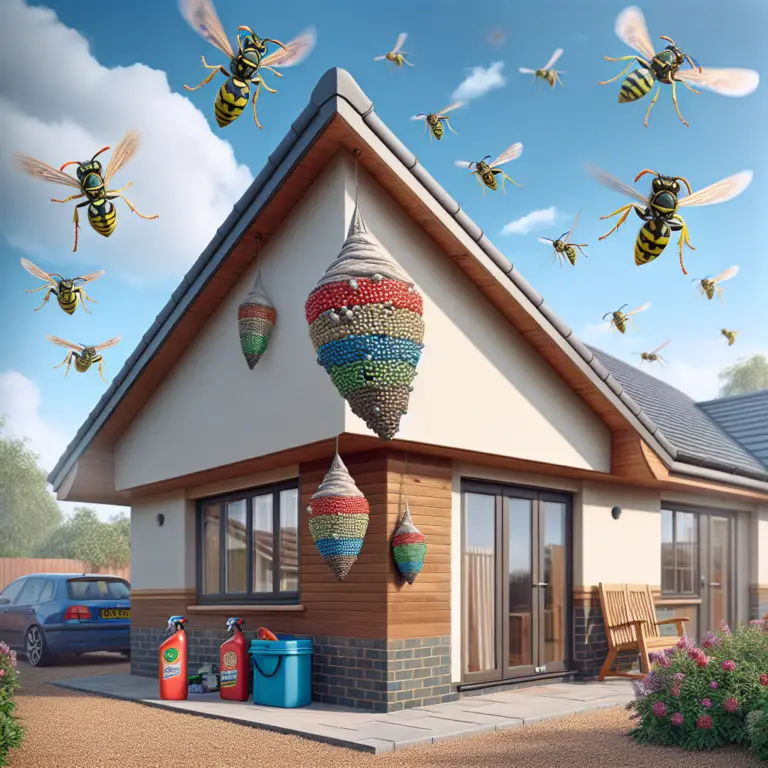
Wasps, unlike bees, are known for their aggressive nature and painful stings. Understanding how to identify their nests is crucial for safe removal. Wasp nests are typically made of paper-like material, often visible in the eaves of homes, sheds, or other structures. They can range in size from small, papery structures to larger, complex nests, indicating a potentially significant infestation. Pay close attention to the location and size of any suspected nest; this can help determine the extent of the issue and potential risk.
Assessing the Risk
Before attempting any removal, a proper risk assessment is key. Factor in the size of the nest, the number of wasps observed, and the proximity of the nest to human activity areas. A large nest with many wasps present poses a significant risk for multiple stings. A small nest in a remote area may pose minimal threat. Consider the safety of your family and pets before beginning any removal process.
Safe Removal Methods to Avoid Stings
Related Post : Ants Invading Kitchen Counters? How to Eliminate Entry Points Fast
Protective Gear
Using the appropriate protective gear is paramount. Wear long sleeves, long pants, sturdy closed-toe shoes, and gloves to shield your skin from wasp stings. A wide-brimmed hat will also provide protection to your face. Eye protection is also crucial to prevent stings from reaching your eyes, which can be extremely painful. Remember, safety should be your top priority in this process.
Tools for Removal
Gather essential tools for safely removing the nest. A sturdy ladder to reach high eaves is often necessary. A plastic garbage bag, duct tape, a spray bottle filled with a commercial wasp and hornet spray are recommended. A broom or brush to sweep away debris, and rubber gloves and safety goggles for added protection are also essential. The right tools make the job efficient and secure.
Prevention Strategies for Future Infestations
Maintaining Cleanliness
Maintaining a clean home environment can dramatically reduce the likelihood of attracting wasps. Keep debris, particularly wood chips, leaves, and other organic matter, swept away from around your house. Check regularly for potential nesting areas, like crevices and gaps in walls. Wasps are attracted to smells and food sources; storing food properly and regularly cleaning up spills can minimize their presence.
Removing Potential Food Sources
Discourage wasps from frequenting areas with potential food sources, which often draw them to the vicinity of your home. This includes keeping garbage bins covered and making sure food waste is not left exposed outdoors for extended periods. Regularly clean and maintain areas that could attract wasps. Storing sugary drinks in closed containers can also help deter them.
When to Call a Professional
Situations Requiring Professional Assistance
If you feel uncomfortable attempting the removal yourself or the nest is exceptionally large or located in a difficult-to-reach area, it is best to contact a professional exterminator. They have the experience and specialized equipment to handle the situation safely and effectively. If you have a history of severe allergic reactions, contact an exterminator immediately. Do not attempt to remove the nest yourself in these cases. A professional pest control service is the safest option.
Signs of a Large or Complex Infestation
A large or complex infestation may present signs like significant damage to the eaves, persistent presence of wasps, or multiple entrances and exits from the nest. This necessitates professional help due to the complexity of the infestation and the potential risk to your safety. Professional exterminators have the proper expertise and equipment to effectively address complex situations.
Understanding Wasp Behavior and Biology
Wasp Life Cycles
Understanding the wasp life cycle will help in the identification of nest characteristics and the risk assessment. The life cycle of a wasp typically involves four stages: egg, larva, pupa, and adult. The stages progress through various developmental processes until the adult stage is reached. The adult wasps then seek food and build nests or find existing nests.
Wasp Communication
Wasps communicate with each other primarily through chemical signals and visual cues. These signals facilitate colony coordination, foraging, and defense. Understanding these communication methods allows for a deeper understanding of wasp behavior and contributes to more effective nest identification.
Additional Tips for Preventing Wasps
Eliminating Food Sources
Prevent attracting wasps to your home by eliminating food sources. Store food properly, ensuring no spills or crumbs are left unattended. Rinse and dry dishes promptly and store garbage in tightly sealed containers. Keep sugary drinks and drinks in covered containers.
Additional Considerations
Wasp Sting Allergy
Individuals with known allergies to wasp stings should seek immediate medical attention if stung. Carry necessary medication and be prepared for possible reactions. Contact emergency services if needed.
Conclusion
Identifying wasp nests and removing them safely is essential. Understanding wasp behavior, and using the right tools and safety precautions will ensure your well-being. Always prioritize safety when dealing with wasps. Contacting a professional is advisable for complex situations or if you have allergies. By following the guidelines, you can safeguard your family from stings and protect your home from further wasp infestations.
Legal Considerations
Permits or Regulations
Be mindful of any local or city regulations regarding the removal of wasp nests or other pests in the area you reside. Ensure compliance with any necessary permits or licenses.
In conclusion, safely removing wasp nests from eaves requires careful planning and execution, understanding wasp behavior, and using appropriate protective gear. By following the steps outlined in this guide, you can effectively eliminate the risk of wasp stings while preserving your home’s integrity. For any lingering questions or concerns, reach out to a qualified pest control professional for personalized advice and assistance. They can provide expert recommendations tailored to your specific situation.