Microscopic allergens hiding indoors pose a significant threat to indoor air quality and human health. Dust mites, mold spores, pet dander, and other microscopic particles can trigger allergic reactions, leading to uncomfortable symptoms and decreased quality of life. These invisible culprits reside in our homes, often in places we least expect. This article will explore the sources of these microscopic allergens and offer practical solutions to keep your indoor air fresh. We’ll delve into cleaning techniques, ventilation strategies, and the function of air purifiers in creating a healthy living environment. The structure of this article includes a detailed exploration of various indoor allergens, cleaning practices, ventilation solutions, and the importance of maintaining a healthy indoor environment, culminating in actionable recommendations and further resources.
Understanding the Sources of Indoor Allergens
The microscopic world harbors a multitude of potential allergens that can trigger respiratory issues and discomfort within our homes. Dust mites, for instance, thrive in warm, humid environments, often found in bedding, carpets, and upholstery. They feed on shed skin cells, and their waste products are a common allergen. Mold spores, another significant indoor allergen, flourish in damp areas, like bathrooms and basements. Pet dander, tiny flakes of skin shed by animals, can also trigger allergic reactions in sensitive individuals. In addition to these common culprits, pollen can infiltrate homes through open windows and doors, particularly during peak allergy seasons.
Effective Cleaning Techniques
Regular cleaning plays a critical function in minimizing the presence of indoor allergens. Using a vacuum cleaner with a HEPA filter is highly recommended for capturing dust mites and other microscopic particles. Regularly vacuuming carpets, rugs, and upholstery will help remove trapped allergens. Washing bedding in hot water and frequently changing and/or washing soft furnishings are key to eliminating allergens from your sleep and relaxation areas. Consider using damp cloths for dusting surfaces, to eliminate dust and other allergens.
Related Post : Stains Not Coming Out of Carpets? Effective Spot-Treatment Ideas
Maintaining Proper Ventilation
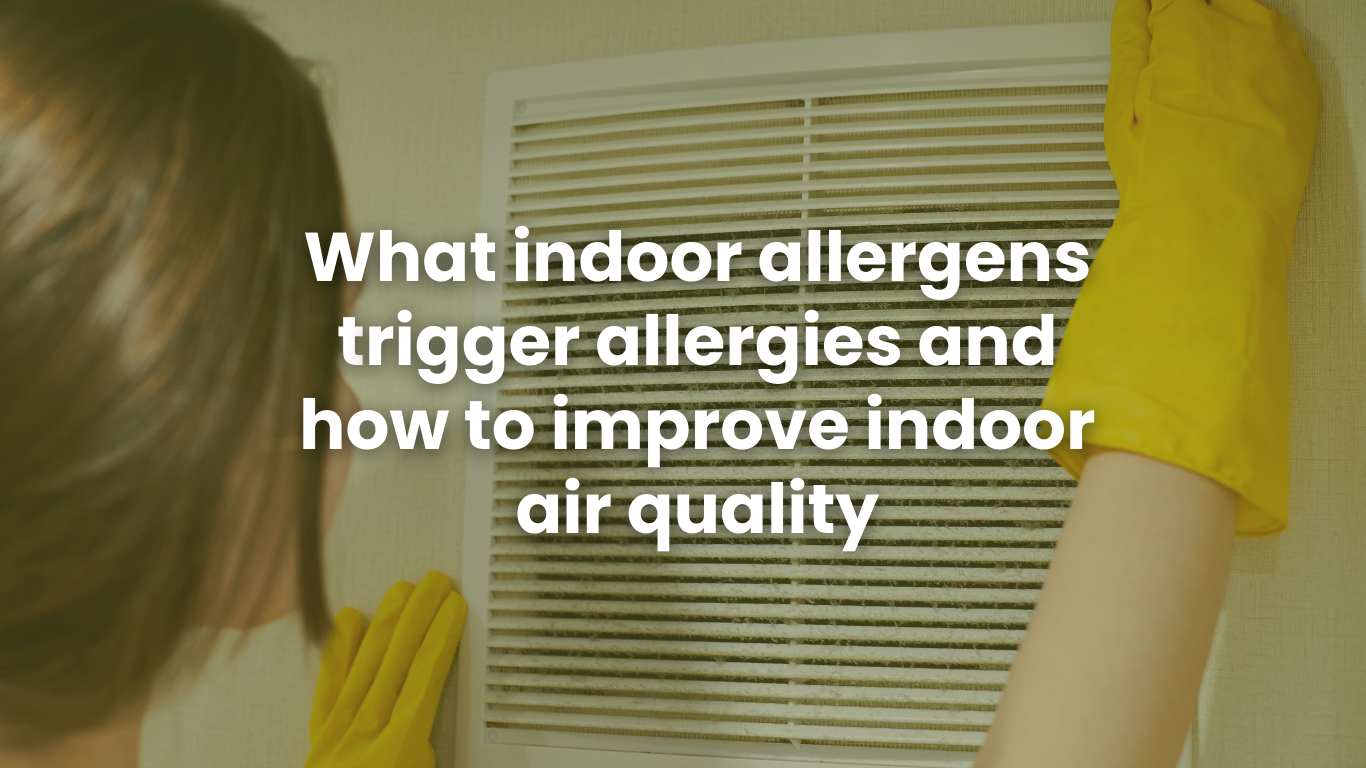
Adequate ventilation is essential for removing allergens from the air. Open windows and use exhaust fans in kitchens and bathrooms to improve air circulation. Ensure proper airflow is being maintained and maintained through your ventilation systems, especially in high-humidity areas.
The function of Air Purifiers
Air purifiers are excellent tools for trapping microscopic allergens and improving indoor air quality. Many air purifiers attribute HEPA filters, which effectively remove dust, pollen, and other airborne particles. Choosing an air purifier with a suitable air filter capacity for the size of your home is crucial. In addition to air filtration, some purifiers use UV-C lights to inactivate airborne viruses and bacteria, further enhancing overall air quality. Studies have shown that consistent use of HEPA-filtered air purifiers can significantly reduce indoor allergen levels and improve respiratory health.
Addressing Specific Allergens
Dust Mites
Dust mites thrive in warm, humid environments. Frequent cleaning, washing bedding in hot water, and using dust mite covers for mattresses and pillows can help minimize dust mite populations. Keeping humidity levels below 50% can also discourage their growth.
Mold
Mold thrives in damp environments. Addressing leaks and moisture problems quickly and preventing excessive humidity is crucial. Regularly checking and cleaning moisture prone areas such as bathrooms and basements are key. Using dehumidifiers can also help maintain optimal humidity levels. A professional inspection for mold is highly recommended if you suspect a severe problem.
Prevention Strategies
Pet Dander Management
Pet dander can be a significant indoor allergen. Regularly brushing pets can help reduce the amount of dander in the air. Keeping pets out of bedrooms and using allergen-reducing wipes can also contribute to preventing allergic reactions.
Pollen Control
During peak pollen seasons, keep windows closed and use air conditioning whenever possible to minimize the influx of pollen into your home. Washing and changing clothing after spending time outdoors can also help to prevent the spread of allergens.
In conclusion, microscopic allergens lurking indoors pose a significant threat to indoor air quality and human health. Understanding the various sources of these allergens and implementing proactive measures to mitigate their presence is crucial for maintaining a healthy and comfortable living environment. By following the tips outlined in this article, you can significantly improve your indoor air quality and reduce exposure to these harmful particles. Remember to regularly clean, maintain proper ventilation, and consider professional help when needed. The steps you take today will contribute to a healthier, more pleasant, and allergy-complimentary living space for yourself and your family. Contact a local air quality specialist for personalized advice and solutions tailored to your specific needs, and to further explore advanced filtration options.