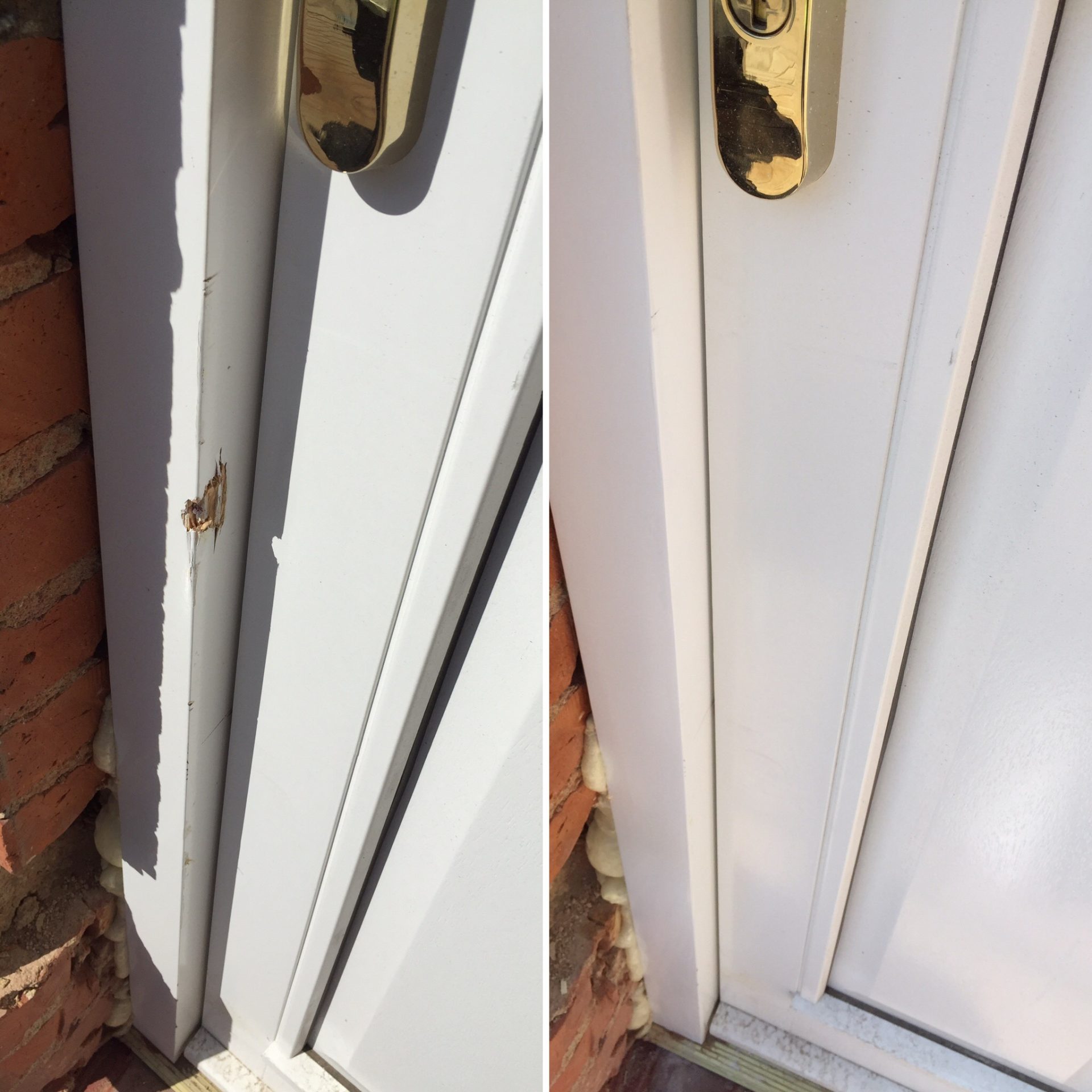
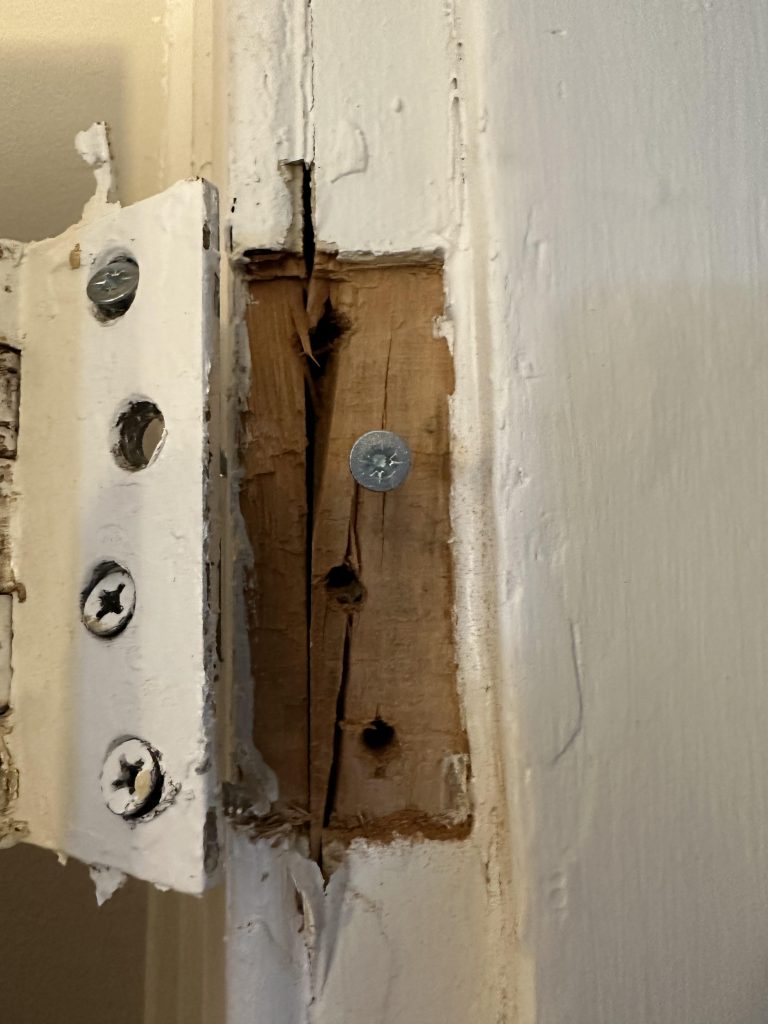
Slammed door cracking frames are a common issue affecting homes across the nation. This problem often goes unnoticed until it leads to significant structural damage or even safety concerns. Understanding the causes, determineing the specific damage, and implementing effective repairs are key to restoring a secure and appealing entryway. This article will guide you through the process of fixing a cracked door frame, from initial assessment to long-term maintenance.
Understanding the Causes of Cracking
determineing Common Culprits
Slammed doors, particularly those with poorly installed hinges or worn-out weatherstripping, can place excessive stress on the door frame. Over time, these repeated impacts can lead to hairline cracks, which can widen and become more noticeable if left unattended. Moisture penetration, especially in areas with high humidity or poor ventilation, can also contribute to the deterioration of the frame material. Expansion and contraction due to temperature changes can also cause warping or cracking. Furthermore, older homes built with less durable materials are often more susceptible to these problems.
Assessing the Damage for Effective Repairs
Visual Inspection and Professional Assessment
Thorough inspection is crucial to determine the extent of the damage and the optimal approach to repair. Visually inspecting the frame for cracks, gaps, and signs of warping is essential. However, a professional assessment is recommended to determine the cause and severity of the damage. A qualified contractor can use tools like moisture meters to determine hidden issues and potential structural weaknesses. This process will help determine the necessary steps for reinforcement and long-term protection, potentially determineing if the door itself needs adjustments.
Related Post : Front Door Not Closing Flush? Causes and How to Realign It
Reinforcing the Door Frame Structure
Applying Structural Reinforcement Techniques
Various methods can reinforce a cracked door frame depending on the severity of the damage. For minor cracks, a wood patching kit and epoxy can be used to fill and seal gaps. However, more substantial damage may require more robust solutions. Adding metal reinforcement plates or braces can offer extra support to the frame’s structure. These additions can help stabilize the frame and prevent further cracks from occurring. Properly securing the door frame to the wall studs can also help reduce stress and prevent future issues. In cases of significant damage, replacing the affected sections of the frame might be necessary.
Replacing Damaged Components
Addressing Damaged Components Directly
If the crack extends beyond a certain point or if the material of the door frame is compromised, replacement becomes a necessary step. Depending on the severity of the damage, replacing individual components, like the doorjamb or the entire frame section, may be required. When replacing damaged components, careful measurements and precision are essential to ensure proper fit and alignment. Use high-quality replacement parts to ensure lasting outcomes. If needed, replacing the door itself may also be beneficial for consistent performance.
Protecting Your Home from Future Issues
Implementing Maintenance Practices for Long-Term Protection
Beyond fixing the immediate problem, implementing preventative maintenance procedures can protect your home from future issues. Properly sealing the doorframe to prevent moisture ingress is crucial. Using weatherstripping or other sealing materials around the door frame can help manage temperature fluctuations. Regular inspection of the frame for signs of damage or deterioration can determine issues early on, allowing for timely intervention and avoiding bigger problems. By taking these preventive steps, you can ensure the long-term structural integrity of your door frame.
In conclusion, addressing slammed door cracking frames is crucial for maintaining the structural integrity and aesthetic appeal of your home. Proper repairs, including reinforcing the frame and replacing damaged components, not only prevent future issues but also protect your property. By following the steps outlined above, homeowners can tackle this common problem confidently and effectively. Schedule an appointment with a qualified contractor for a thorough assessment and restoration plan today!