A water heater that’s not heating consistently can be a frustrating and inconvenient issue. It affects daily routines and can lead to discomfort and potential problems if ignored. This guide delves into the common causes of water heater inconsistency and provides practical troubleshooting steps to get your hot water flowing smoothly again. We’ll cover issues like a faulty thermostat, problems with the gas supply or burner, and other potential culprits. This article offers a step-by-step approach to identify and resolve these problems, empowering you to fix the issue yourself or determine when professional assistance is necessary.
Understanding the Problem: Why Your Water Heater Isn’t Heating Up
Identifying the Root Cause
Water heaters are essential appliances in most homes, ensuring a steady supply of hot water. However, occasional malfunctions can disrupt this crucial function. A water heater that’s not heating consistently can stem from various problems, ranging from minor adjustments to serious underlying issues. Understanding the potential culprits is the first step toward a successful repair. Knowing the type of water heater (gas or electric) is also critical because the troubleshooting steps vary based on its type.
Thermostat Malfunction
Checking the Thermostat Setting
One of the most common causes of inconsistent water heater performance is a malfunctioning thermostat. The thermostat regulates the water temperature, ensuring it matches the desired setting. A faulty thermostat can lead to water that’s either too hot or too cold, or completely insufficient heating. Verify the thermostat is correctly calibrated to your preferred water temperature. Consult the manufacturer’s instructions for specific guidelines on adjusting the settings and ensure they are within acceptable ranges.
Gas Supply Issues
Ensuring Adequate Gas Flow
If your water heater runs on gas, problems with the gas supply are another common reason for inconsistent heating. A restricted gas line or a malfunctioning gas valve can prevent the water heater from functioning optimally. Proper gas pressure is essential to keep the pilot light ignited and to ensure the burner heats the water efficiently. Ensure that the gas valve is functional by checking for leaks and making sure the gas supply is sufficient.
Burner Problems
Inspecting the Burner Components
The burner is crucial for heating the water. If the burner is not working correctly, it will not adequately transfer heat to the water. Clogged burners, loose connections, and problems with the igniter are common causes for inadequate heating. If the burner is not sparking or lighting up, there may be an issue with the igniter assembly itself. Inspect the burner for clogs or blockages, which can occur over time due to deposits. Refer to the user manual for your specific model for correct inspection and cleaning procedures.
Related Post : Roof Leaks Developing After Storms? How to Identify and Repair Quickly
Electric Element Issues
Evaluating the Heating Elements
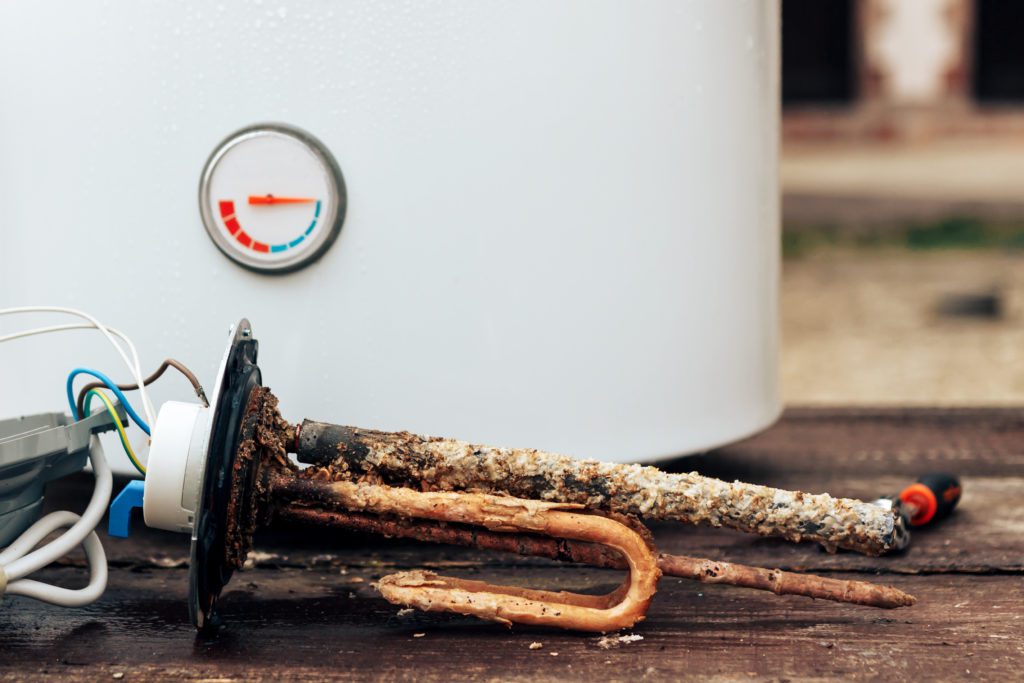
If your water heater uses electricity, the heating elements could be the culprit. Over time, these elements can degrade or become faulty, affecting their ability to heat water. Electric heating elements are a critical component in maintaining adequate water temperature. Check the elements for any visible signs of damage, such as cracks or discoloration. If issues persist, consider replacing the element. Consult a qualified electrician before working with the electric system, as incorrect repairs can be hazardous.
Q2: What are the signs that my water heater needs to be replaced?
A2: Several indicators suggest that your water heater needs to be replaced. These include inconsistent water temperature, the presence of strange noises, frequent repair needs, and inadequate hot water supply. In addition, if the water heater is old (over 10 years) or if energy bills are abnormally high, it’s a good idea to consider a replacement. A professional evaluation can help determine the most appropriate course of action.
Q3: What should I do if I suspect a gas leak?
A3: If you suspect a gas leak, immediately evacuate the area and contact your local gas company. Never attempt to fix a gas leak yourself. A gas leak can be dangerous and potentially cause a fire or explosion. Professional gas inspectors have the necessary expertise and tools to handle gas leaks safely and effectively.
Q4: Can I troubleshoot my water heater myself?
A4: While you can try troubleshooting some basic issues yourself, it is essential to be aware of safety precautions. Before attempting any repairs, refer to your water heater’s user manual. If you are unfamiliar with the components or unsure about your abilities, contacting a qualified plumber is the best course of action. Ignoring potential issues can lead to additional damage and greater repair costs down the line.
Preventing Future Issues
Proactive Maintenance
Regular maintenance significantly extends the lifespan of your water heater. Routine checks for gas leaks, pilot light status, and the operation of the thermostat can help detect and address potential problems early on. By proactively addressing potential issues, you can prevent significant repairs and costly replacements in the future. Ensuring adequate ventilation and storage space around the unit is critical in preventing hazards and unexpected repair needs
In conclusion, troubleshooting a water heater that’s not heating consistently involves a systematic approach to identify potential issues. By checking the thermostat, burner, and gas supply, you can pinpoint the root cause and get your water heater back up and running efficiently. Remember, safety is paramount; if you’re unsure about any repair steps, consult a qualified professional. Contact a licensed plumber for a thorough inspection and repair if necessary. They can provide specialized solutions for complex situations.