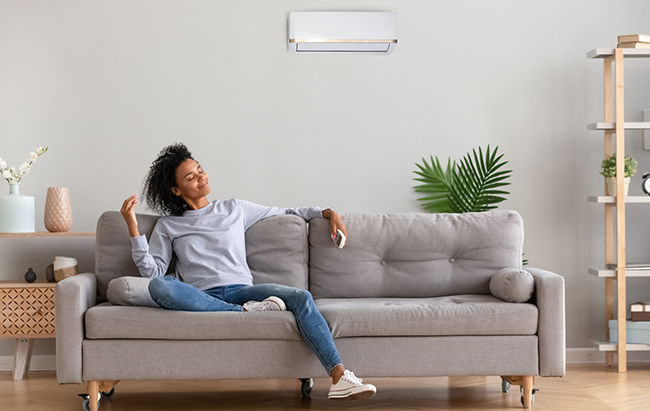

Are you experiencing stale indoor air? A stuffy, unpleasant atmosphere in your home can affect your well-being, comfort, and even mood. Understanding how to improve indoor air quality is critical for creating a healthier and more enjoyable living space. Indoor air feeling stale? This article explores natural ways to improve ventilation, offering practical solutions you can implement today. We’ll delve into optimizing air circulation, strategically placing plants for air purification, utilizing natural air fresheners, and more. We will also discuss the importance of maintaining a healthy home environment to ensure optimal comfort and well-being. This detailed guide will provide clear, actionable steps to improve your indoor air quality.
Understanding the Problem of Stale Indoor Air
Indoor air quality is often overlooked, yet it significantly impacts our health and well-being. The air inside our homes can become stale due to various factors, including inadequate ventilation, poor air circulation, and the presence of pollutants. This can lead to a range of unpleasant effects, from headaches and fatigue to more serious respiratory issues. Poor air quality can exacerbate allergies and create a less comfortable living environment. This article focuses on practical, natural solutions to address stale indoor air. We will guide you through a comprehensive approach to restoring fresh, clean air in your home.
Optimizing Air Circulation for Improved Ventilation
Identifying and Addressing Airflow Blockages
One of the easiest ways to combat stale indoor air is to optimize air circulation. Think of your home as a series of hallways and rooms. If the air can’t move freely, it stagnates. Examine your home layout to identify any obstructions, like furniture blocking vents or doorways. Clear any pathways for airflow to encourage fresh air to circulate efficiently.
Related Post : Recycling System at Home Not Working Efficiently? How to Simplify It
Creating Airflow with Strategic Ventilation
Strategically open windows and doors, especially during the day, to allow fresh air to enter and stale air to escape. This natural ventilation strategy is cost-effective and crucial for improving indoor air quality. Utilizing fans strategically to increase circulation can also make a remarkable difference. A ceiling fan, for example, helps circulate air within a room and improve ventilation. Consider using box fans strategically placed in areas that experience stagnant air.
The Power of Plants in Air Purification
Exploring the Role of Indoor Plants
Indoor plants play a critical role in improving indoor air quality. These natural air purifiers absorb pollutants from the air and release oxygen. Various studies have shown that specific plants can remove volatile organic compounds (VOCs) from the air. The specific plants that help purify the air are a vital part of achieving an improved indoor environment. For instance, spider plants, peace lilies, and snake plants are known for their air-purifying abilities.
Choosing the Right Plants for Your Home
Select plants that thrive in your home’s environment and provide aesthetic value. Consider the size of your space and the types of plants that best suit different areas. Strategically placing plants throughout your home, near windows and entryways, can make a significant difference in the quality of the air in your indoor spaces. Research different plants and their specific effects on air purification.
Utilizing Natural Air Fresheners
Exploring Natural Solutions for Fresh Air
Natural air fresheners are an alternative to traditional sprays and diffusers. Essential oils, for example, can create a pleasant scent and potentially improve air quality. Consider using natural solutions like lemon, eucalyptus, or lavender for a refreshing and healthy aroma. Experiment with different scents to find ones that you enjoy and that contribute to a positive ambiance. These essential oils may also have health benefits.
Integrating Natural Elements into your Design
Incorporating elements like candles (with natural wax), potpourri, or dried flowers can create a pleasant atmosphere and subtle freshness. These options can significantly enhance indoor air quality and create a sense of calm and tranquility. Be sure to prioritize natural and safe materials. Remember that overuse can lead to unwanted effects.
Maintaining a Healthy Home Environment
Regular Home Maintenance for Better Indoor Air Quality
Regular maintenance is a key component of maintaining good indoor air quality. Ensure that your ventilation system is functioning correctly. Clean or replace air filters regularly to remove dust and other pollutants. This helps ensure that your home remains clean and healthy. Regular cleaning throughout your home can prevent buildup of allergens and other indoor contaminants.
Importance of Regularly Checking for Leaks and Drafts
Checking for drafts and leaks regularly is vital. A tiny crack or opening can let in cold air from outside or contribute to moisture buildup, thus impacting indoor air quality. Drafts and moisture can create unhealthy living environments.
Practical Steps to Implement
Designing your Ventilation Strategy
Plan your ventilation strategy based on the layout and flow of air in your home. Open windows and doors during the day to let fresh air in and ventilate rooms that have a tendency towards being stuffy. Consider strategically using fans to enhance air circulation.
Additional Tips for Improving Ventilation
Choosing Low-VOC Materials
Selecting low-VOC paints and cleaning products can significantly decrease indoor air pollutants. Many environmentally friendly options are available on the market. Prioritize healthy choices that minimize negative impacts on your indoor environment.
Creating a Healthy Home Atmosphere
Incorporating Natural Materials
Natural materials like wood, bamboo, and stone can enhance the well-being of your home. Incorporating these elements into your décor adds a touch of nature to your living environment.
Maintaining Your Indoor Air Quality
Regular Cleaning and Maintenance
Regular cleaning and maintenance of your home are important to maintain a healthy environment. This includes cleaning air vents regularly and checking for any leaks that could allow moisture into your indoor environment. This routine upkeep ensures a comfortable, healthy environment for everyone who spends time in the house.
In conclusion, improving indoor air quality is crucial for a healthy and comfortable living environment. By implementing natural ventilation strategies, such as optimizing air circulation, strategically placing plants, and using natural air fresheners, you can significantly improve your indoor air feeling. These methods are cost-effective, environmentally friendly, and contribute to a healthier home. Remember to regularly maintain your home’s ventilation systems to maximize effectiveness. Ready to breathe easy? Explore natural ways to improve ventilation today!