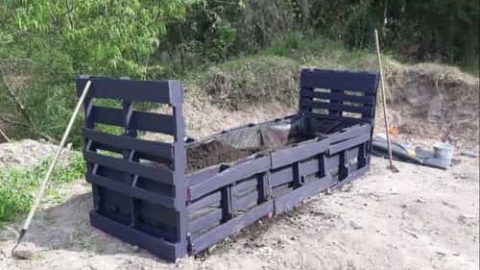
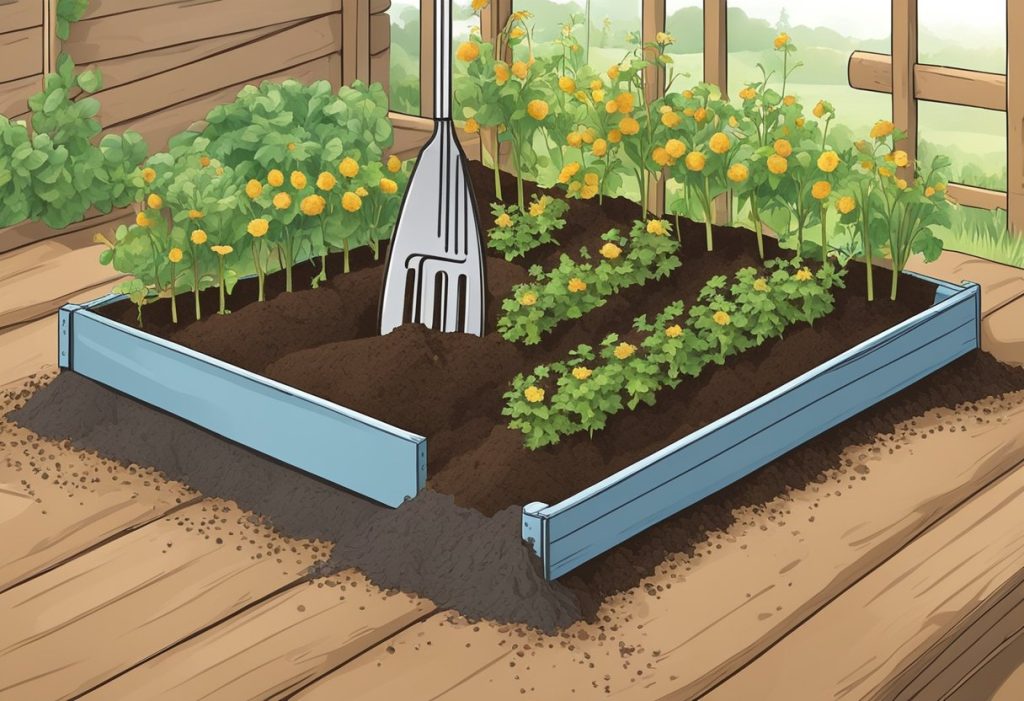
Are your raised beds not producing well? This comprehensive guide delves into common mistakes and provides actionable solutions to help you transform your raised beds into thriving vegetable gardens. Understanding the factors impacting plant growth in raised beds is critical for success. Many factors can contribute to disappointing results, including soil composition, water management, and plant selection. This guide will walk you through these potential issues and guide you towards a successful harvest. We’ll cover everything from choosing the right soil mix to optimizing watering techniques for optimal plant growth in raised beds, providing actionable steps to transform your underperforming raised beds into bountiful havens. This article will be divided into sections that cover different aspects of raised bed gardening. Each section will offer practical advice and tips for avoiding common mistakes and maximizing your garden’s potential.
Soil Composition: The Foundation of Your Raised Bed Success
Understanding Soil pH
Soil pH plays a vital role in plant health and nutrient availability. Different plants thrive in different pH ranges. Tomatoes, for example, prefer a slightly acidic pH of 6.0-6.8. Testing your soil pH is essential to determine whether it’s conducive to the specific vegetables you’re growing. Many soil testing kits are readily available at garden centers, offering both ease and accuracy in determining your soil’s acidity or alkalinity level. Understanding the specific pH needs of your plants is an essential first step toward success. Ignoring pH imbalances can lead to stunted growth, nutrient deficiencies, and overall poor plant health.
Soil Mix Ingredients and Quality
The quality of your soil mix is paramount. A poor-quality mix can lead to nutrient deficiencies or poor drainage. Ideally, your raised bed mix should consist of a combination of organic matter, such as compost, peat moss, and well-rotted manure. These ingredients boost drainage and water retention. Avoid using heavily compacted or overly clay-rich soil for raised beds. Incorporate perlite or vermiculite for improved aeration and drainage. Aeration is key to proper root development. Mixing in these components will create a favorable environment for your plants to thrive and take root. Consider the long-term health of your plants when choosing ingredients. Using the right mix, free of pathogens and pests, is a great investment in successful gardening.
Watering Strategies: Keeping Your Plants Hydrated
Related Post : Lawn Turning Brown Despite Watering? What Might Be Going Wrong
Frequency and Depth of Watering
Water deeply and less frequently to encourage strong root systems. Overwatering can lead to root rot, while underwatering will cause wilting and stunted growth. Observe your plants regularly, checking for signs of moisture stress. Consider the type of plants you are growing, as different vegetables require different watering frequencies and methods. Some plants may need more watering while others need less. Thorough watering ensures the roots absorb adequate moisture and promotes healthy growth.
Light and Sunlight: Maximizing Photosynthesis
Optimal Sunlight Exposure
Sunlight is crucial for photosynthesis, the process by which plants convert light energy into chemical energy. Different vegetables have varying light requirements. Tomatoes, for example, require at least six to eight hours of direct sunlight daily, while leafy greens may tolerate slightly less direct sunlight. Consider the type of vegetables or herbs that you want to grow, to ensure that they receive the correct exposure. Positioning your raised beds in locations with ample sunshine is essential for optimal growth.
Plant Selection and Spacing: Choosing the Right Plants
Understanding Plant Needs
Different plants have specific needs, including soil type, water requirements, and light exposure. Research the needs of the specific plants you intend to grow in your raised beds. Failure to research your plants can result in plant death and will impede your success. Match the plants you are looking to grow with the specific environment of the raised bed. Many vegetables benefit from adequate spacing for optimal growth and healthy yields.
Pest and Disease Management: Preventing Issues
Monitoring and Prevention
Regularly inspect your raised beds for signs of pests or diseases, taking action immediately if you notice any problems. Consider introducing beneficial insects or using natural pest control methods to keep pests and diseases away from your plants. Early detection and intervention are key to preventing widespread damage to your garden and will ensure the health of your plants.
Maintaining a Consistent Temperature: Ideal Growing Conditions
Factors Affecting Temperature
Consistent temperature, within a comfortable range, is important for optimal growth. Extreme temperatures can lead to heat stress or frost damage in plants, impeding their growth and yield. Protecting the plants from the negative effects of these temperature variations can support growth and will positively impact yield.
Proper Drainage: Avoiding Soggy Soil
Drainage Solutions
Proper drainage is crucial to prevent root rot and other diseases. Ensure that the bottom of your raised bed has adequate drainage holes to allow excess water to escape. Poor drainage will lead to disease and rot, which can potentially kill your plants.
Fertilization: Providing Nutrients
Choosing the Right Fertilizer
Using the right fertilizer can significantly impact plant growth and yield. Understanding the specific needs of your plants and choosing a suitable fertilizer will be important to the success of your garden.
Conclusion: The Road to Raised-Bed Success
This comprehensive guide has presented solutions to common problems impacting plant growth in raised beds, including: soil composition, water management, and plant selection. Remember to research the specific needs of your plants to ensure healthy growth. By considering these factors, you can transform your underperforming raised beds into thriving and bountiful oases. Visit [website] for a complete guide on how to build your ideal raised garden bed today! Ready to get started? Begin by checking your soil pH and optimizing the soil mix, and consult our expert guides to continue your journey to raised-bed success and bountiful harvests. This will significantly improve the growth and yield of your raised beds!
In conclusion, raised beds not producing well often stems from common mistakes in soil selection, setup, and maintenance. Understanding the specific needs of your plants and the soil’s properties is crucial for success. By addressing these issues, you’ll significantly improve the growth and yield of your raised beds. Consider consulting gardening experts, researching specific plant needs, or even experimenting with different approaches to optimize your results. Ready to transform your raised beds from underperformers to thriving oases? Learn more and get started today!