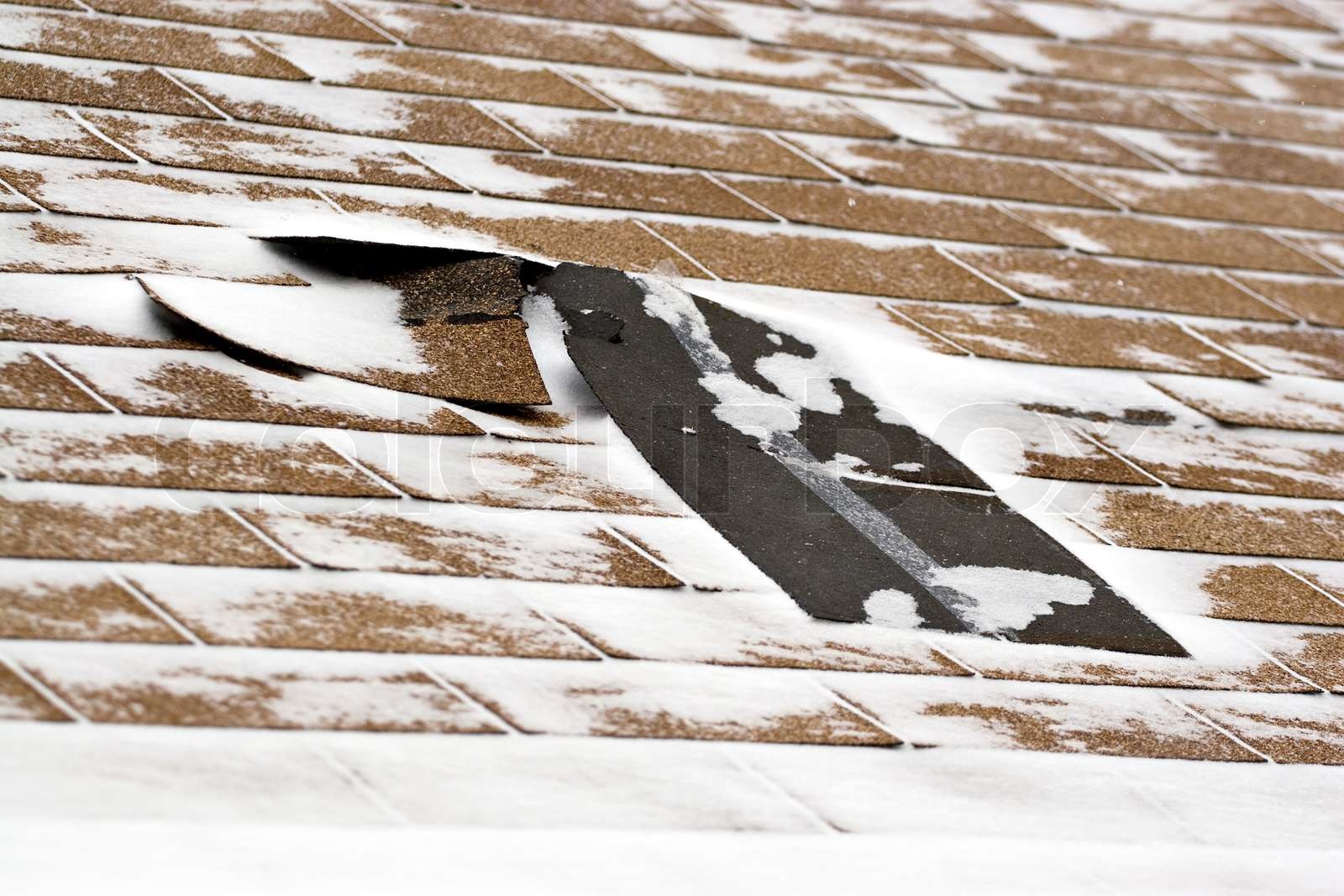

Shingles blowing off in high winds is a serious concern for homeowners, potentially leading to extensive damage and costly repairs. Understanding how to reinforce roof coverage is crucial for protecting your home and ensuring its structural integrity. This thorough guide will explore the risks, causes, and solutions to mitigate damage from high winds, equipping you with the knowledge and strategies to effectively prevent shingles from blowing off and maintain a secure living environment. We’ll cover preventative measures, inspection procedures, and steps to take in the event of high wind damage. The structure of this article includes a general introduction followed by sections on the causes and types of damage, reinforcement techniques, and safety measures. We’ll conclude with frequently asked querys to address common concerns.
Understanding the Risks of Shingles Blowing Off in High Winds
High winds can pose a significant threat to roofing systems, especially those not properly maintained or reinforced. Flying debris and strong gusts can dislodge shingles, leading to significant damage, including water damage, structural compromise, and potentially, even interior flooding. Preventing roof damage is crucial to protect your home. Understanding the types of roof problems and the likelihood of damage is essential in anticipating the need for reinforcement and maintenance. The effects of high winds on roofs can scope from minor shingle displacement to complete roof failure, which can cause substantial damage and costly repairs.
determineing Causes and Types of Damage
Factors Contributing to Shingle Blowoff
Related Post : Shingles Curling at the Edges? What It Means for Your Roof’s Health
Several factors can contribute to shingles blowing off in high winds, including improper installation, aged or damaged shingles, inadequate roof attachments, and poor maintenance. Over time, natural wear and tear can lead to weakened attachments. Additionally, older shingles may lose their adhesion strength, making them more vulnerable to high winds and high-impact storms. High winds can easily lift these shingles off roofs, leading to substantial problems.
Reinforcement Techniques for Enhanced Roof Coverage
Strengthening Existing Roof Structures
Reinforcing an existing roof structure involves several crucial steps, starting with a thorough inspection to determine existing weaknesses. This inspection should cover the entire roof surface, checking for loose or damaged shingles, and checking flashing and other components for potential issues. If damage is found, professional help is usually required, and it’s always optimal to consult an expert or licensed contractor for a full inspection. These professionals are familiar with the appropriate techniques for reinforcing the roof structure to withstand high winds.
Safety Measures During Roof Reinforcement
Practicing Safe Work Procedures
Working on a roof, especially during or after a high-wind event, requires adherence to strict safety protocols. This includes using proper safety equipment, such as harnesses and fall protection. Proper scaffolding is critical to prevent accidents, and these precautions are paramount for preventing injuries. Ensuring that the environment is safe is equally crucial, especially during high-wind conditions.
Conclusion: Preventing Future Damage
Maintaining a strong and weather-resistant roof system is crucial to protect your home from high winds. Regular inspections and prompt repairs help prevent potentially severe roof damage. Investing in preventative measures can save money in the long run. Prevention, inspection, and prompt repairs will help avoid costly damage and potential safety risks. Remember to prioritize roof maintenance and consult with professionals when necessary.
Additional Prevention Strategies
Advanced Reinforcement Methods
In conclusion, reinforcing roof coverage to withstand high winds is crucial for protecting your home and property. By understanding the risks associated with shingles blowing off in high winds and implementing preventive measures, you can significantly reduce the likelihood of damage and ensure the structural integrity of your home. Remember to prioritize regular inspections, consider professional assistance when necessary, and prioritize safety during any repairs. By proactively addressing potential roofing issues, you can maintain a safe and secure living environment, and avoid costly repairs and potential safety risks in the future.