
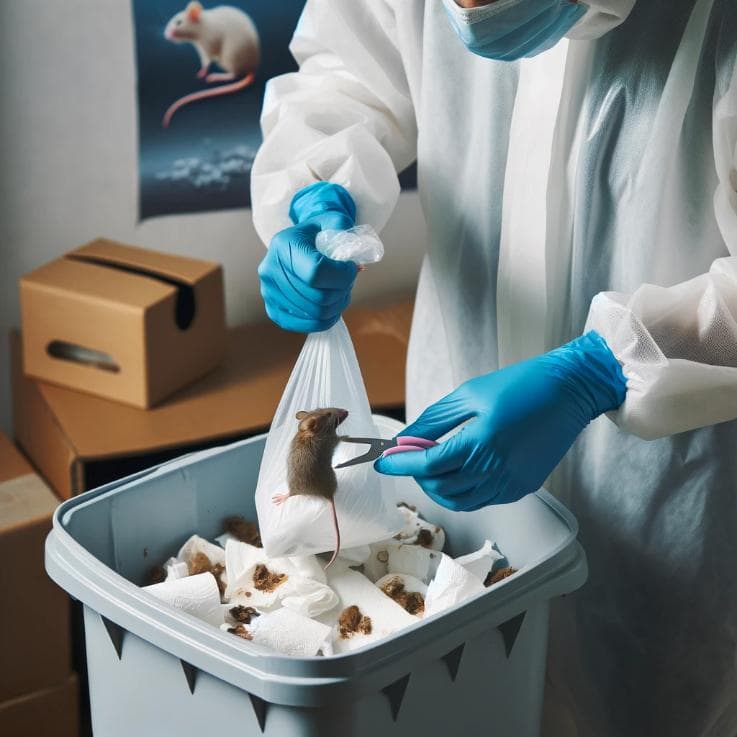
Mice leaving droppings in your pantry is a common problem that signals an unwelcome infestation. These tiny creatures can contaminate your food, leading to health hazards and property damage. This article provides a comprehensive guide on identifying, safely removing, and preventing mouse infestations in your pantry, offering proven methods for a pest-free environment.
Identifying Mouse Droppings in the Pantry
Understanding Mouse Droppings
Mice droppings are small, dark, and often appear in clusters or trails. Identifying these signs of mouse activity is crucial for effective removal and prevention. The droppings are typically 1/4 to 3/8 of an inch long, and resemble tiny grains of black or brown pepper. Recognizing the shape, size, and location of the droppings is essential in determining the extent of the problem and taking the appropriate steps for removal and prevention. Pay attention to their regularity and locations within the pantry to get a better sense of their presence. You may also notice a musty or musky smell, which is an additional indication of a pest problem. Knowing where and when they occur in your pantry can help you pinpoint their entry points into your kitchen, aiding effective prevention.
Common Locations
Related Post : Ants Invading Kitchen Counters? How to Eliminate Entry Points Fast
Mice droppings are often found near food sources, within or around pantry shelves and containers, or in corners and crevices. This information can help you understand the mice’s behavior and determine how to prevent future problems.
Safe Removal Methods
Protective Gear
Protecting yourself during removal is paramount. Wear disposable gloves, a face mask, and eye protection to prevent exposure to potential contaminants and allergens. This step ensures your safety during the removal process.
Cleaning Procedures
Proper cleaning procedures are essential to prevent further contamination. First, seal off the affected area to prevent the spread of the droppings. Use a mixture of bleach and water (a 1:10 ratio) to clean the area, ensuring complete coverage. Allow the solution to sit for several minutes before thoroughly rinsing and blotting the area with paper towels. The area should be sanitized well to eliminate all traces of the rodents and to prevent further problems. Dispose of contaminated materials in sealed bags to prevent further exposure.
Sanitation and Disinfection
Sanitation is critical. This includes thorough cleaning and disinfection of the affected areas. Regularly cleaning your pantry is a vital preventative measure. Follow the proper cleaning procedures, using a mixture of bleach and water to kill any pathogens and prevent the spread of infection. Dispose of contaminated items and surfaces properly, using sealed bags to contain potential sources of contamination. Regularly check your pantry for signs of mouse droppings or activity, and immediately address any issues.
Preventing Future Infestations
Food Storage
Proper food storage is vital to preventing mice from entering your pantry and consuming your food. Store food in airtight containers and dispose of any crumbs or spills immediately. Keeping your pantry clean of any possible attractants will reduce the chance of another infestation. This is a crucial preventative measure against further infestations.
Exclusion Methods
Exclusion methods focus on preventing future entry of mice. Seal any gaps or cracks in walls, floors, and ceilings where mice can enter. Using steel wool or other materials to fill gaps around pipes, walls, and in the pantry can effectively create a barrier to prevent mice from getting in. Repair holes, gaps, and cracks, and replace damaged weatherstripping. Regular checks of potential entry points are needed to ensure the pantry is properly sealed.
Seeking Professional Help
Pest Control Experts
If the infestation is extensive or persistent, consult with a professional pest control service. They have the expertise and tools to effectively address the issue and implement long-term prevention strategies to reduce the chance of another infestation.
Conclusion
FAQ
In conclusion, mice leaving droppings in your pantry is a serious issue requiring prompt action. By understanding their behavior, employing safe removal methods, and implementing preventative measures, you can effectively deter mice and maintain a hygienic pantry. Remember to regularly check for signs of infestation and maintain a clean environment. For further assistance, consult with pest control experts or reach out to online communities for advice and support.