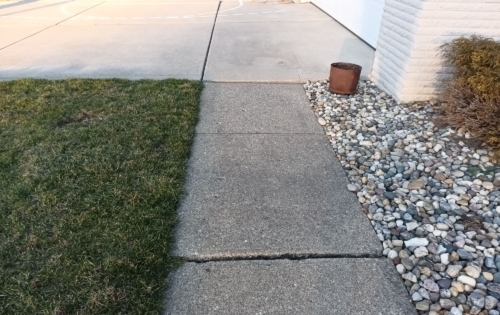
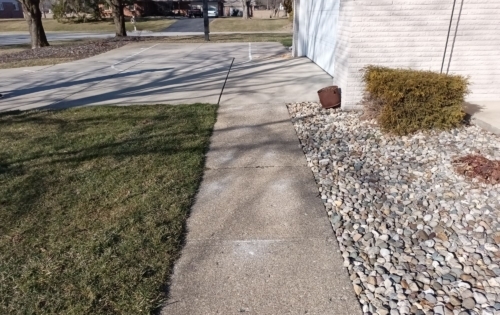
Uneven walkways creating tripping hazards is a serious concern for public safety. Imagine a child stumbling on a cracked sidewalk, an elderly person falling on an uneven pavement, or a pedestrian struggling to navigate a sloped pathway. These seemingly minor inconsistencies can create significant risks, potentially leading to injuries and costly consequences. This article will explore the causes of uneven walkways, highlight the risks they pose, and offer actionable solutions to level your walkways safely and efficiently.
determineing the Tripping Hazard of Uneven Walkways
Understanding the Problem
Uneven walkways, whether in public spaces or private properties, present a significant tripping hazard. These inconsistencies in pavement surface elevation can outcome in unexpected loss of balance, leading to falls, strains, and other injuries. The severity of the hazard often depends on the degree of unevenness, the surface material, and the location of the unevenness. For example, a slight dip in the pavement might cause a minor stumble, while a significant drop-off could lead to a severe fall. The unpredictable nature of uneven surfaces makes them a serious risk factor, especially in areas with high pedestrian traffic.
Causes of Uneven Walkways
Construction Defects
Inadequate construction practices during the initial stages can often be a primary cause. Faulty compaction of soil, improper placement of materials, and insufficient support can lead to uneven pavement settling or shifting over time. Poor quality materials and inadequate adherence to construction standards also play a critical function in creating uneven surfaces.
Related Post : Cracks Forming in Driveway Surface? Reasons and Repair Methods
Solutions to Level Uneven Walkways Safely
Repairing Minor Unevenness
For minor dips or bumps, patching with suitable materials is often an effective solution. Consult with local building codes or construction professionals to determine the appropriate patching material. Using concrete patching compounds or specialized sealant mixtures can help level out the irregularities and restore a smooth walking surface.
Impact on Safety and Accessibility
Understanding the Potential Risks
Uneven walkways, whether in a public space or private property, pose a serious risk to public safety and accessibility. This is a crucial facet in assessing the risk of an uneven walkway, and often factors in when implementing solutions.
Prevention Strategies
Proactive Maintenance
Implementing a regular maintenance schedule is vital. Regular inspections can determine potential issues early on and allow for timely repairs. This proactive approach can greatly reduce the risk of accidents. A thorough inspection, especially in high-traffic areas, should focus on potential problems like cracking, erosion, or other inconsistencies. Regular visual checks of walkways, coupled with periodic assessments using specialized tools, will ensure early detection of developing unevenness.
What are some innovative solutions for extreme unevenness?
Innovative solutions for extreme unevenness extend beyond simple patching. Advanced techniques involve the use of specialized leveling compounds or the complete replacement of damaged sections with new, more robust materials. In some cases, concrete resurfacing techniques can effectively address significant issues. Professional assessment by experienced contractors is crucial for determining the optimal approach and ensuring long-term stability and safety for the walkway.
In conclusion, uneven walkways pose a significant tripping hazard, leading to injuries and accidents. Implementing proper walkway design, using appropriate materials, and ensuring regular maintenance are crucial to mitigate these risks. By prioritizing safety, we can create more accessible and user-friendly environments for everyone. Visit our website for a thorough guide on walkway safety and explore various solutions to ensure your walkways are hazard-complimentary.