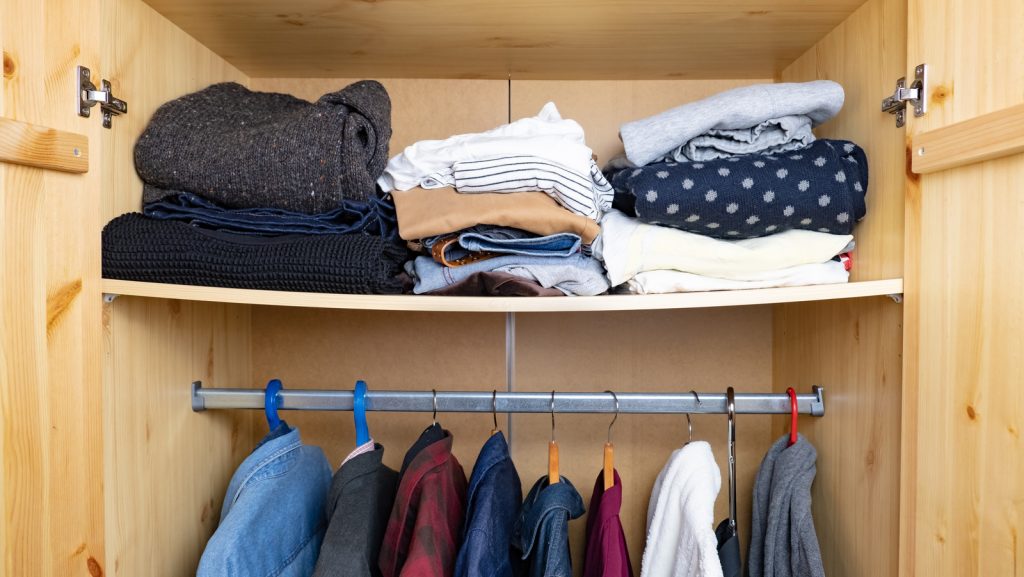
Cabinet shelves sagging under weight is a common household problem that can lead to accidents and damage. Imagine delicate dishes tumbling to the floor, or heavy cookware crashing down, potentially causing injury or significant property damage. Understanding the root causes of this issue and implementing appropriate solutions is essential for kitchen safety and peace of mind. This article will delve into the reasons behind sagging shelves, providing actionable steps to address and prevent this problem. We will explore DIY solutions, and when professional assistance is necessary. This thorough guide will walk you through the process, from determineing the cause to implementing the appropriate repair or preventive measures.
determineing the Culprits of Sagging Shelves
Common Causes of Sagging
Sagging shelves are often caused by a combination of factors. Overloading is the most obvious culprit, but other issues such as improper installation, inadequate support, or the inherent characteristics of the wood or materials used in the shelf construction can play a function. It’s essential to pinpoint the exact cause to address the problem effectively.
Structural Weaknesses
Related Post : Handles Coming Loose Over Time? Tips to Secure Them Tight
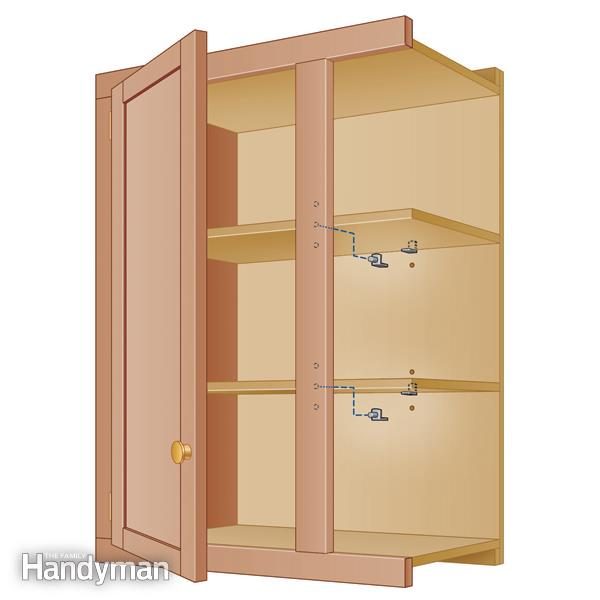
Sometimes, the underlying structure of the cabinet itself is the issue. For example, damaged or weakened wooden frames can compromise the shelf’s support. The screws and bolts that hold shelves in place might be loose or stripped, or perhaps the shelves haven’t been properly anchored to the cabinet’s structure. A lack of adequate support might lead to the shelf sagging even under moderate weight.
Assessing the Severity and Extent of the Problem
Understanding Weight Capacity
Before you start troubleshooting, it’s critical to understand the weight capacity of your shelves. Manufacturers often offer this information on the packaging or the materials themselves. Exceeding the recommended weight limit will inevitably lead to the shelves sagging or collapsing. Always consider the total weight, including the items on the shelf and the shelf’s own weight.
Visual Inspection
A careful visual inspection can reveal crucial clues about the problem’s source. Look for any visible signs of damage, such as cracks in the wood, loose screws, or warped shelves. Observe the overall structure to detect imbalances or other potential weaknesses. By pinpointing visual cues, we can start addressing these issues in a targeted manner.
DIY Repair Techniques
Strengthening the Support System
Several DIY solutions can effectively strengthen a sagging shelf. Adding support blocks or brackets can often offer additional stability, especially if the issue lies with the supporting structure of the shelf. Consider using additional screws to secure the shelves to the cabinet, making sure you use the proper screws for the material type. This method is effective in ensuring the shelf remains stable under stress.
Reinforcing the Shelf Itself
If the shelf itself is the weak point, reinforcement is key. Adding more support underneath by using a secondary support beam can significantly improve the shelf’s capacity to support weight. Consider using wood shims to level the shelf and prevent further sagging. This helps redistribute the weight evenly across the shelf and is an effective way of achieving the desired stability.
Professional Assistance When Needed
When to Seek Help
While many sagging shelf issues can be resolved with DIY solutions, some situations require professional intervention. If the sagging is severe, the cabinet is older or constructed with materials you are unfamiliar with, or if you lack the necessary tools or DIY skills, contacting a qualified cabinet maker or carpenter is always wise. A professional can assess the damage more accurately and recommend tailored solutions to ensure both safety and structural integrity.
Preventing Future Sagging
Proper Loading and distribution
Distribute the weight of items on your shelves evenly to avoid localized stress. Use heavier items as a base, and place lighter items on top. Positioning heavier items towards the center and lighter items toward the edges reduces the risk of tilting or toppling. Keep shelves balanced and well-distributed, thus reducing the risk of structural failure.
Regular Maintenance
Regularly checking the stability of your shelves will help prevent major issues. Inspect for any signs of looseness, warping, or damage and take corrective actions as needed. This preventive approach can avoid costly repairs in the future and minimize the risks associated with faulty shelves.
Additional Tips for Preventing Sagging
Choosing the Right Materials
select shelves made of sturdy materials like solid wood or metal. These materials have a higher weight capacity and are better suited to withstand the weight of various items. Avoid using flimsy materials that are prone to sagging. A more robust construction will boost the shelf’s overall lifespan.
Avoiding Overloading
Properly distributing weight is crucial, but avoiding overloading is crucial for long-term stability. Ensure you never place more weight on a shelf than its capacity. Consider using weight guides to avoid overloading shelves, thus improving shelf safety.
Conclusion (Rephrased):
Addressing sagging cabinet shelves is a critical step to ensure both kitchen safety and the longevity of your cabinets. By understanding the underlying causes of sagging, implementing preventive measures and appropriate solutions, you can avoid accidents and maintain your kitchen’s stability. Understanding the structural integrity and limitations of your cabinet shelves is key to preventing a disaster.
Understanding Materials and Capacities
Considering Material Strength
The selection of materials plays a critical function in the overall stability and weight-bearing capacity of a cabinet shelf. Wood, metal, and composite materials have varying capabilities to support weight. Understanding the limitations of each material will guide your decision-making process when selecting materials for shelf repair or reinforcement.
Using Appropriate Fasteners and Anchors
Ensuring Secure Attachment
Using appropriate fasteners is critical for achieving a secure attachment. Using bolts, screws, or other connectors that are suitable for the materials in query will reduce the risk of sagging and offer greater stability to your cabinets and shelves.
In conclusion, sagging cabinet shelves can be a frustrating and sometimes hazardous problem. By understanding the causes, implementing preventative measures, and employing the appropriate solutions, you can restore the stability and functionality of your cabinets and shelves. If the sagging is severe, professional help is recommended. Remember to prioritize safety and proper support when dealing with potential structural issues in your home.