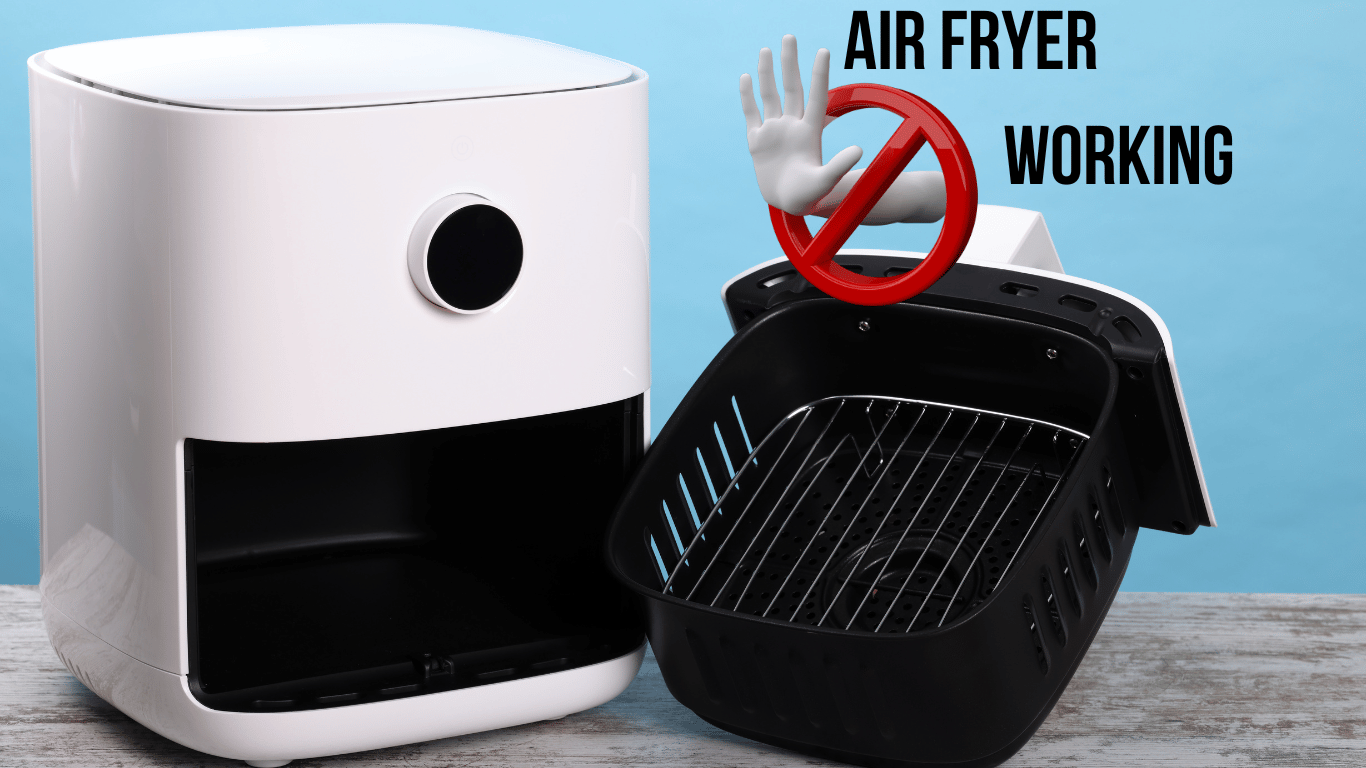
An air fryer suddenly stopping and refusing to turn on or function properly can be quite frustrating. This guide will take you through the common causes behind why your air fryer stopped working and offer practical troubleshooting steps. Whether it’s a simple electrical issue or a more complex appliance malfunction, we’ll guide you through a process to resolve the problem efficiently. We will cover several possible reasons, such as electrical problems, overheating, and component failures, providing you with detailed solutions for each scenario. Following this structure, you can systematically assess the causes of the issue and restore functionality to your air fryer.
Electrical Problems: The Most Common Culprit
Power Issues and Circuit Breaker Trips
Air fryers, like many kitchen appliances, rely on a stable power provide. A sudden power outage, surge, or a tripped circuit breaker can prevent the air fryer from functioning. To troubleshoot this, first check the circuit breaker panel to ensure the circuit feeding the air fryer hasn’t tripped. Reset the breaker if necessary and try turning the air fryer on again. If the problem persists, check the outlet or extension cord to ensure it’s properly connected and not damaged. A faulty outlet or loose connections can cause the same problem.
Power Cord and Plug Issues
Inspect the power cord for any visible damage, such as fraying or exposed wires. A damaged power cord can lead to short circuits, preventing the appliance from powering on. Replace the power cord if it’s damaged to prevent potential safety hazards. Examine the plug for any loose connections or damage that may be preventing the appliance from receiving power. A loose plug can cause a weak or inconsistent electrical connection, leading to similar symptoms.
Outlet Issues
Check the outlet where the air fryer is plugged in. Make sure it is functional and not damaged or overloaded. Test the outlet by plugging in another working appliance to confirm if the problem lies with the outlet or the air fryer itself. These electrical issues often manifest with no signs of warning; understanding them is crucial to resolving the problem.
Related Post : Washing Machine Leaking Water? Possible Sources and Quick Fixes
Overheating and Malfunction
Overheating Protection Mechanisms
High temperatures are inherent to air fryers. Most air fryers have built-in overheating protection mechanisms. These mechanisms are designed to shut the appliance off to prevent overheating damage to the appliance itself or surrounding areas. Examine the manual for your specific model to determine and interpret its signs of overheating protection. Be sure to allow the appliance to cool completely before handling it after overheating protection has triggered.
Internal Component Issues
Over time, internal components like the heating element, fan motor, or control board can malfunction. This often manifests as the appliance failing to turn on or heating up inconsistently. To troubleshoot internal component issues, refer to the appliance’s user manual. It contains step-by-step guides on how to access and examine varied parts. This manual will offer specific information on how to access the components safely for detailed checking.
Excessive Use and Dust Accumulation
Extensive use can cause internal components to wear down or become clogged with dust, potentially causing overheating or malfunctions. Cleaning and maintenance play a vital function in the lifespan of air fryers. Regular maintenance practices are crucial for preventing these problems from occurring.
Control Panel or Thermostat Malfunctions
Issues with the Control Panel
The control panel is the interface to program the air fryer, and any malfunctions in the control panel can affect functionality. Look for any loose wires, damaged buttons, or unusual signals. In some models, a malfunction in the panel may cause overheating or a complete inability to function. Refer to the manual for steps on how to address panel malfunctions. If the control panel seems damaged or won’t respond, it may be a sign of a more complex problem requiring professional service.
Thermostat Malfunction
The thermostat controls the heating process within the air fryer. A malfunctioning thermostat may not be able to regulate the temperature or may completely fail to operate. To ascertain if the thermostat is faulty, check for continuity between the varied terminals of the thermostat with a multimeter. Confirm the readings match the specifications detailed in the manual; if not, a replacement thermostat is necessary. Always observe safety measures when conducting the testing process to avoid electrical shocks.
Malfunctioning Sensors
Certain air fryers use sensors to detect various parameters like temperature and internal functionality. A malfunctioning sensor will affect the appliance’s accuracy in controlling these functions. To diagnose a malfunctioning sensor, consult the air fryer’s user manual for specific sensor checks and troubleshoot techniques specific to your model. Malfunctioning sensors should be investigated by a technician to avoid incorrect readings.
Faulty Components and Other Issues
Heating Element Issues
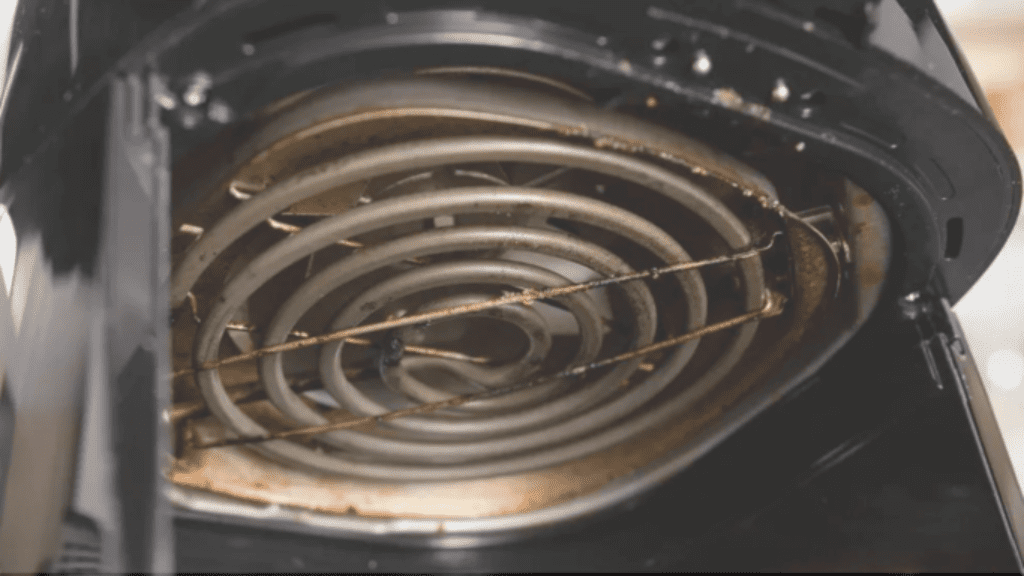
The heating element is the core component responsible for generating heat in an air fryer. A faulty heating element is a common cause of the air fryer suddenly stopping working. Troubleshooting involves verifying that the heating element is properly connected to the electrical circuit and that it isn’t damaged or burnt. It’s always optimal to refer to the manual or contact a professional if you’re unsure.
Fan Motor Problems
The fan motor is crucial for circulating hot air. If the fan motor is damaged, the air fryer may not heat up efficiently, or the airflow may be restricted. Check the fan motor for any visible damage. Also, ensure that the fan blades aren’t blocked by debris, which would obstruct airflow. If there are issues, replacement of the component may be necessary.
Maintenance Negligence
Neglecting regular cleaning and maintenance procedures can contribute to appliance malfunctions. Accumulation of food particles, grease, or debris inside the air fryer can cause overheating, blockage, or other performance issues. Ensure regular cleaning procedures are followed to prevent such issues. Consult the manufacturer’s instructions for cleaning and maintenance for optimal performance and extended longevity.
Troubleshooting Steps and Safety Precautions
Basic Checks
Before diving into extensive repairs, start with the most fundamental checks. Make sure the air fryer is plugged into a functional outlet and that the circuit breaker hasn’t tripped. Ensure the power cord is complimentary from damage. This will narrow down your search for the actual cause.
Checking Manuals
Consult the air fryer’s user manual for specific troubleshooting advice tailored to your model. Often, manufacturers offer detailed instructions on how to determine various issues and resolve them. This is a valuable resource to quickly determine the root cause of the problem.
Seeking Professional Help
If you’re unsure about any repair steps or are uncomfortable working with electrical appliances, it’s optimal to seek professional assistance. A qualified technician can diagnose the problem accurately and ensure the safety of the repair process.
In conclusion, an air fryer that suddenly stops working can stem from several issues, from simple electrical problems to more complex appliance malfunctions. By systematically checking the common causes outlined in this guide, you can often troubleshoot the problem yourself, saving time and money. Remember to prioritize safety and consult a qualified technician if you encounter difficulties or feel unsafe performing any repairs. If you’ve tried these steps and your air fryer still isn’t working, it might be time to contact the manufacturer or consider replacing the appliance. For any future air fryer troubleshooting, refer back to this guide for a thorough troubleshooting resource.