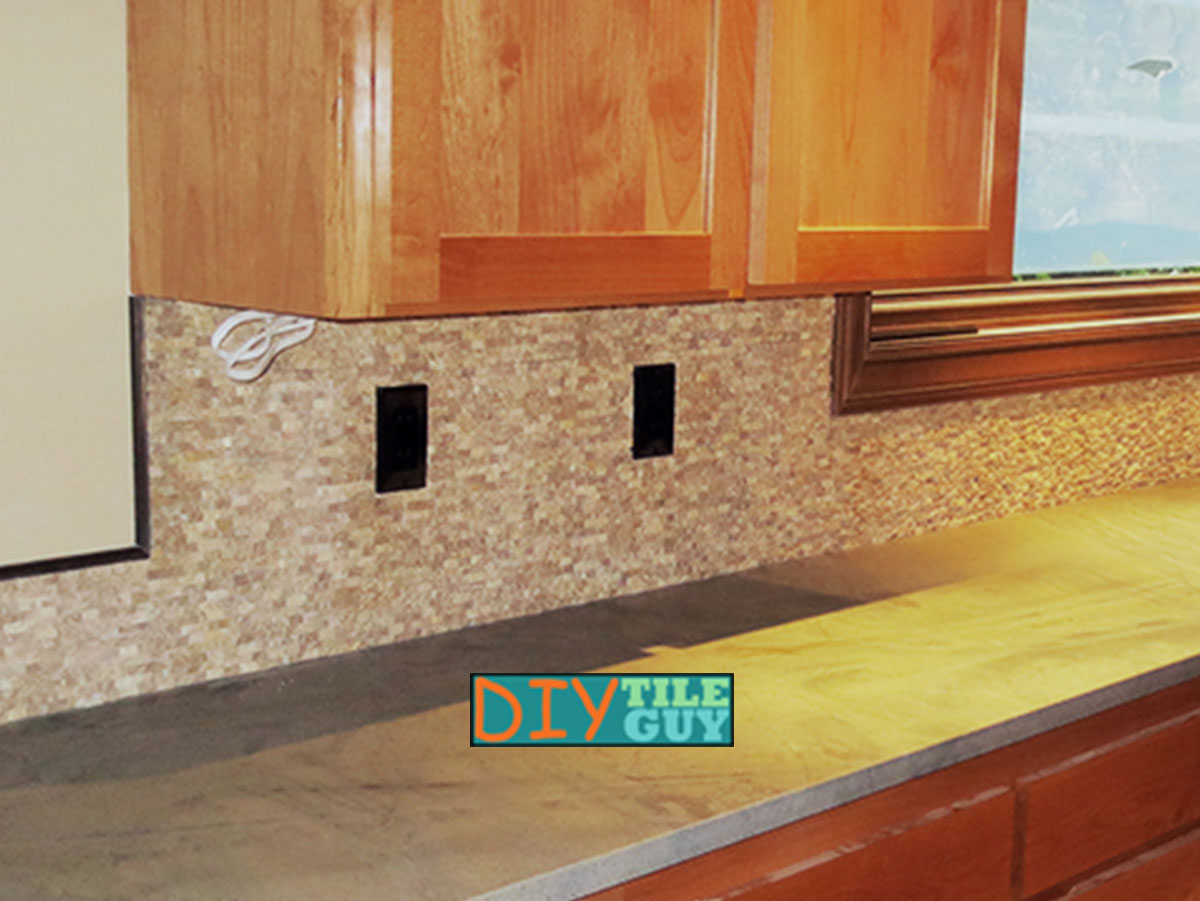
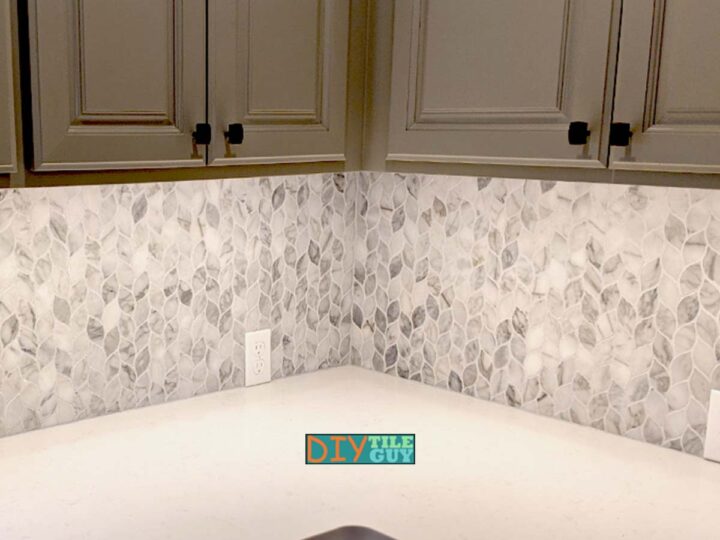
Backsplash tiles cracking is a common issue that homeowners face, often leading to frustration and costly repairs. Imagine the beautiful, newly renovated kitchen, now marred by unsightly cracks. This comprehensive guide delves into the causes of backsplash tile cracking and provides practical, actionable repair recommendations. This article will define what backsplash cracking is, discuss the main causes of this issue, explain how to diagnose the problem, present solutions for effective backsplash repair, and provide insights on preventing future cracking. We’ll also briefly cover DIY options and when it’s best to contact a professional. Let’s get started!
Understanding Backsplash Tile Cracking
What is Backsplash Cracking?
Backsplash tile cracking is a prevalent issue in kitchens, characterized by the development of hairline fissures or larger cracks in the tiles, grout, or both. These cracks can range from subtle imperfections to significant damage, significantly impacting both the aesthetic appeal and structural integrity of the backsplash. These cracks can lead to further damage and potentially create a safety hazard. In addition, the underlying issues contributing to the cracking can be subtle and not immediately apparent, which is why proactive diagnosis and intervention are essential.
Common Causes of Backsplash Tile Cracking
Several factors can contribute to backsplash tile cracking, including improper installation, material defects, and environmental stress. For example, improper handling or installation of the tiles can introduce stress, which over time manifests as cracks.
- Improper Installation: This is often a significant cause. Inadequate preparation of the wall surface, improper use of adhesive, or mistakes during tiling application can result in stress on the tiles, leading to cracking.
Diagnosing the Cause of the Cracking
Related Post : Faucet Leaking Under Sink? Quick Fixes to Stop Drips
Identifying the Source of the Problem
Properly diagnosing the cause of the cracking is the first step in determining the best repair strategy. A visual inspection is often sufficient but may require a more detailed analysis to understand the extent of the problem.
Several factors should be carefully assessed. First, inspect the surrounding areas. Are there signs of water damage, moisture buildup, or structural issues? The presence of these additional factors can often indicate a more complex underlying cause for the cracking. Also, consider the material that your backsplash tiles are constructed of; certain materials are more prone to cracking than others, like ceramic tile. Therefore, analyzing the material itself is also critical.
- Inspect the installation area to identify any signs of loose grout or shifting tiles. In some cases, the grout may have been improperly mixed or applied, leading to subsequent cracks.
- Assess the condition of the adhesive. Is it excessively brittle, or is there evidence of improper mixing?
- Examine the tiles themselves for signs of damage or manufacturing defects. Are the tiles improperly cut, or are there noticeable imperfections?
Effective Repair Solutions
Patching and Repairing Minor Cracks
For minor cracks, patching is often a suitable solution. This involves carefully removing the damaged tile and replacing it with a new, matching one. Careful consideration of the type and size of the crack is essential. Patching can be a DIY project but should only be attempted by experienced homeowners. This is a less expensive approach for small-scale repairs compared to full replacement.
Replacement and Renovation Strategies
Replacing Damaged Tiles
When the damage is more extensive, replacing the cracked tiles is the recommended approach. A careful assessment of the extent of the damage is crucial. Carefully plan your replacement process to ensure minimal disruption and consistent results.
This involves removing the broken tiles and grouting and replacing them with new ones. This process may require a professional contractor depending on the damage extent. If the cause of the cracks lies within the substrate, then complete replacement of the tiles may be necessary. Assess the overall condition of the backsplash. Are there other areas that have visible cracks? It’s often more cost-effective to address the problem in its entirety, rather than piecemeal.
Preventing Future Cracking
Choosing Suitable Materials
Prioritizing the selection of high-quality backsplash materials is a key preventative measure. Using resilient materials that can withstand stress and expansion from moisture fluctuations are important. Quality adhesive can make a difference. Be sure to use a suitable adhesive for the type of backsplash material chosen.
- Consider using materials that are less prone to cracking and more resistant to moisture fluctuations. For example, using a strong and durable tile like porcelain over ceramic may be necessary depending on your environment.
- Use the recommended adhesive and ensure that it is properly mixed and applied according to the manufacturer’s instructions.
- Consider the environment in which your backsplash will be located. Areas with high moisture are more susceptible to cracking, so careful consideration should be given to the tile material selection.
When to Seek Professional Help
Recognizing When Professional Expertise is Needed
While some minor repairs might be tackled by homeowners, seeking professional help is often recommended for more complex or extensive backsplash issues.
- For larger areas of damage: if the damage extends beyond a small area, contacting a professional contractor is likely necessary. The expertise of a professional can provide a more efficient, and potentially cost-effective approach.
- For structural issues: If the cracking is related to structural problems, a structural engineer’s input is essential for proper diagnosis and repair.
- For complex installation issues: When dealing with complex installations or specific material concerns, professional assistance is necessary to ensure the repair’s longevity.
FAQ
How do I tell the difference between minor and major backsplash tile cracks?
Minor cracks are usually hairline fissures or small, localized breaks, while major cracks involve more extensive damage that extends across large areas or that affects the structural integrity of the tiles. A visual inspection is generally sufficient, but consulting with a professional contractor can provide expert confirmation.
What are the common long-term effects of ignored backsplash tile cracks?
Ignoring backsplash tile cracks can lead to further damage, potentially causing water penetration, structural instability, and the spread of cracks to surrounding areas. This can also lead to more costly repairs in the future and possibly cause safety issues.
What are some common types of backsplash tiles susceptible to cracking?
Certain tile types, such as those made from brittle materials or poorly fired, are more prone to cracking. Porcelain and ceramic tiles are more resilient, but proper installation and maintenance remain critical. Materials such as glass tiles, while beautiful, are less resistant to certain kinds of stress, so their use should be carefully considered when choosing a backsplash material.
In conclusion, backsplash tile cracking is a common issue that homeowners face, but with proper identification of the cause and suitable repair methods, you can restore your kitchen’s beauty and functionality. Understanding the different causes, from improper installation to material defects, is crucial for preventing future cracking. Remember to consult with a professional contractor for complex or extensive repairs and always prioritize the use of high-quality, suitable materials for the job. Choosing the correct repair method, whether it’s patching, replacement, or a full-scale renovation, will guarantee a strong and durable backsplash. For any further questions or queries, do not hesitate to contact a professional. By following these guidelines, you can effectively address backsplash tile cracking, ensuring your kitchen’s visual appeal and structural integrity.