Cabinet doors misaligning after installation is a common frustration for homeowners undertaking DIY projects. Imagine the perfect kitchen or bathroom design, meticulously planned, only to be marred by crooked cabinet doors! Cabinet door misalignment can be a frustrating problem. Often caused by simple mistakes during installation, this common issue can be frustrating. Luckily, a few key steps and tools can fix the problem. This article will cover everything from basic troubleshooting to advanced adjustments, ensuring your cabinets are perfectly aligned. We’ll explore potential causes of misalignment, the necessary tools, and precise steps for adjusting the hinges and other hardware, and provide examples to demonstrate the technique. This comprehensive guide will walk you through various scenarios and ensure a smooth repair.
Understanding the Causes of Misaligned Cabinet Doors
Common Installation Errors
Cabinet doors can become misaligned due to several reasons, often stemming from mistakes during the initial installation. A poorly measured cabinet opening, improperly installed hinges or doors, or incorrectly positioned screws can quickly lead to misaligned doors. Incorrectly installed hinges can be a major cause, so checking their placement and screws is vital. The type of hinges, whether overlay or inset, also influences alignment. Overlays need precise placement, while inset hinges have more tolerance. For example, a misaligned hinge could cause the door to bind or not close properly. Sometimes, the problem is just the screws that are not tightly enough; check for proper tightening. These are common causes and the first things you should investigate before diving into more complex adjustments.
Tools Required for Cabinet Door Adjustment
Essential Tools & Materials
Before starting the door adjustment, ensure you have the right tools and materials. Essential tools include: a screwdriver set (Phillips and flathead), a level, a measuring tape, a pencil, and a utility knife. If your cabinet doors have screws on the edge or back of the doors, you may need special small flathead screwdrivers. Additional tools like a clamp may also be useful, depending on the situation. For example, using a clamp can help you hold a door or hinge in place while tightening screws. Having the right tools greatly improves your chances of success, while improper tools can lead to damage. A few extra items such as safety glasses or earplugs could save you from injury.
Adjusting the Hinge Screws
Hinge Adjustments for Accurate Alignment
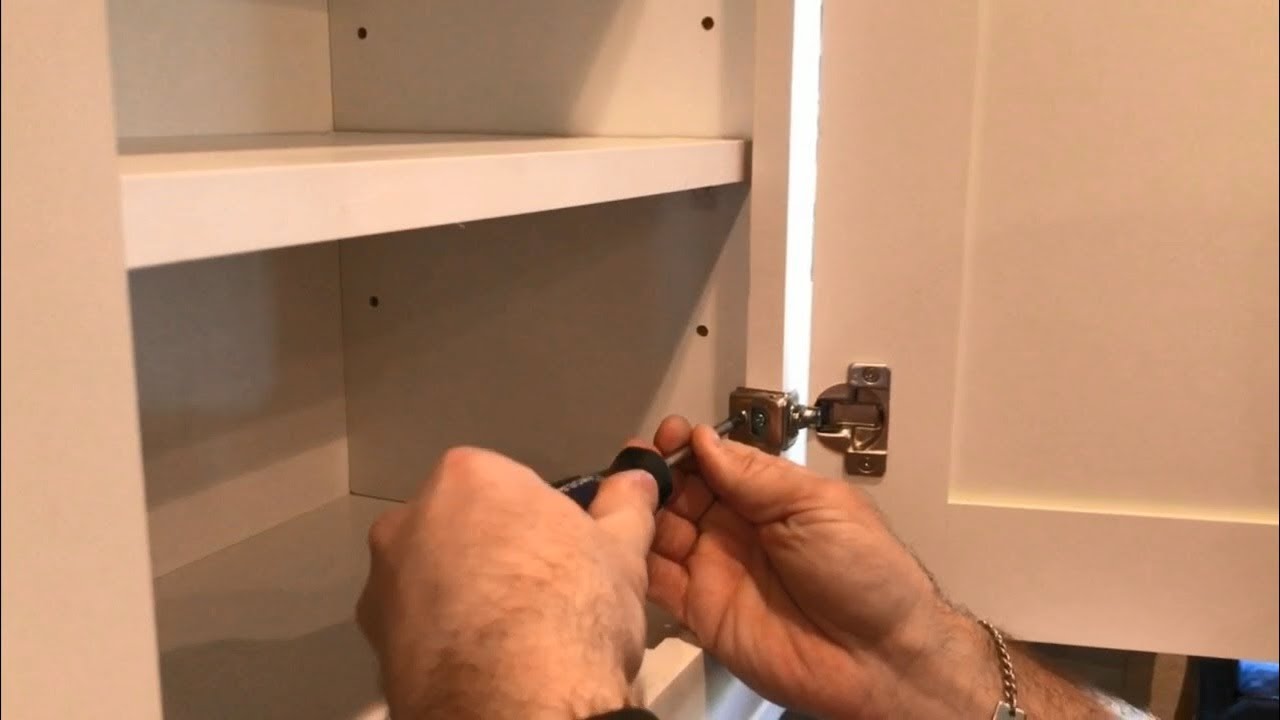
Adjusting the hinge screws is a crucial step in aligning cabinet doors. This step addresses the most common issue. Firstly, check the door alignment. Is the door out of alignment or is it just a minor gap?
If there’s a gap, the door is likely out of alignment horizontally or vertically. For example, if the door is too far from the frame, the hinge screws might be loose or require adjustment to align the door to the cabinet frame correctly. Identify where the gap is; whether it’s between the door and the frame or between the door itself.
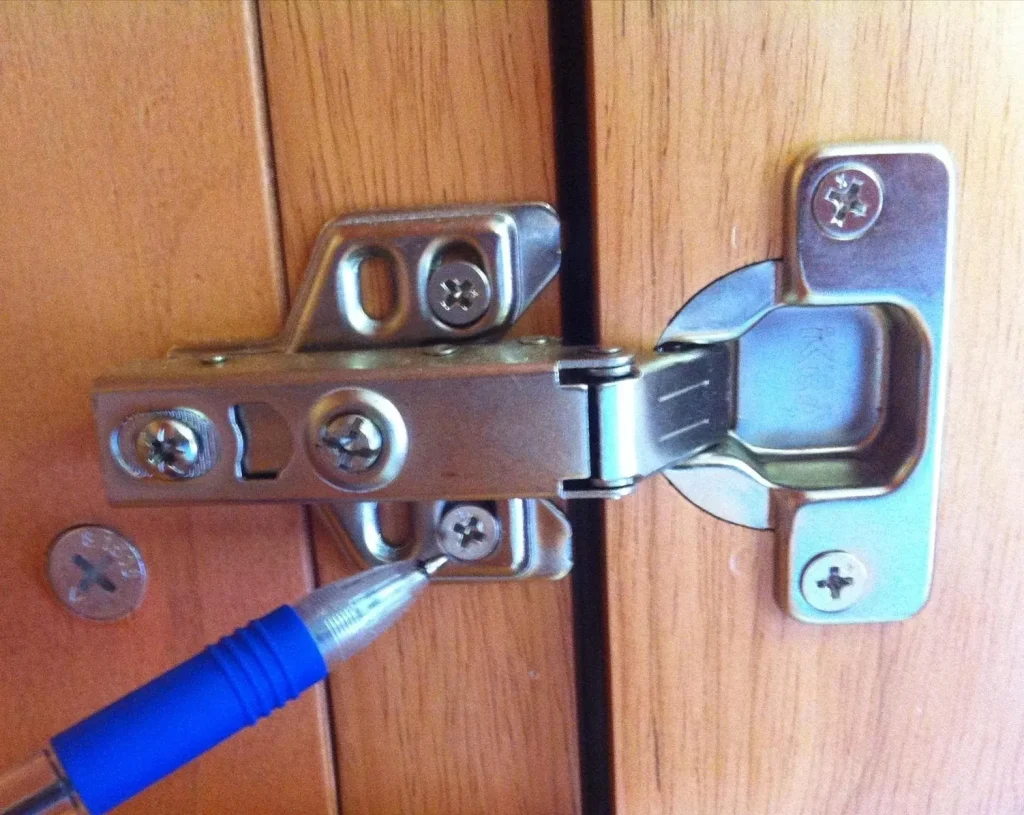
There are different ways to adjust the hinge screws for alignment and this depends on the kind of screws used and type of hinge. Tightening the hinge screws is essential for proper alignment but be careful not to overtighten them. Overtightening can damage the screws or hinge itself. The goal is to get the door even and aligned.
Troubleshooting Misaligned Cabinet Doors
Identifying and Resolving Specific Issues
Sometimes, misalignment isn’t just a hinge problem. Other issues include loose screws, damaged hinges, or warped doors. If the problem persists, there might be a problem with the door itself. A warped door can cause the doors to hang off-center no matter what adjustments are made to the screws or hinges. In such a case, replacing the warped door is the only way to ensure a proper fit. Another example might be if one hinge is loose, then it will need tightening before moving on to other adjustments. For example, try tightening the screws in the hinges and repositioning them.
Related Post : Kitchen Sink Clogging Frequently? Simple DIY Solutions to Clear It
Final Alignment and Finishing Touches
Ensuring a Perfect Fit
Once you’ve adjusted the hinges, thoroughly examine the alignment of the doors. Use a level and a measuring tape to ensure that the doors are perfectly aligned horizontally and vertically. This is a final step and ensures no further misalignment is present after adjustment. This step is to ensure the alignment is correct. For example, if the door doesn’t close completely, go back and check each step to determine where the problem is.
In conclusion, adjusting misaligned cabinet doors after installation requires careful attention to detail and precise measurements. By following the steps outlined in this article, you can confidently tackle this common DIY challenge. Remember to prioritize safety and use appropriate tools. If you encounter significant issues or feel uncomfortable, consider seeking professional help. If you found this guide helpful, share it with others facing similar issues. Visit our website for more home improvement tips.