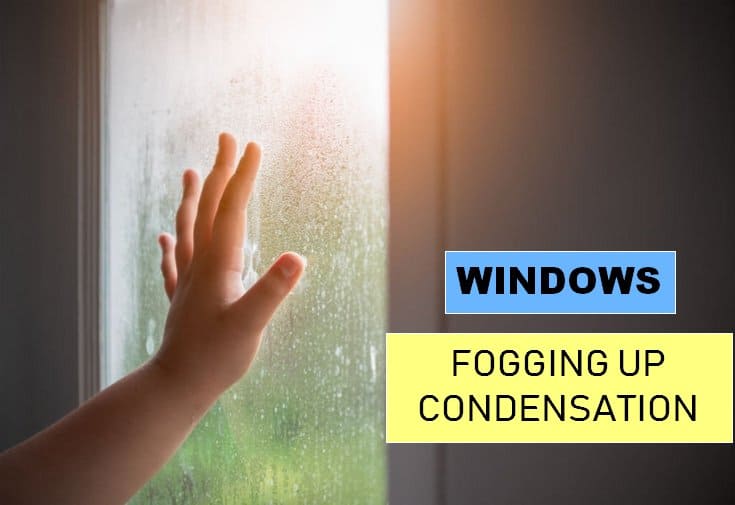
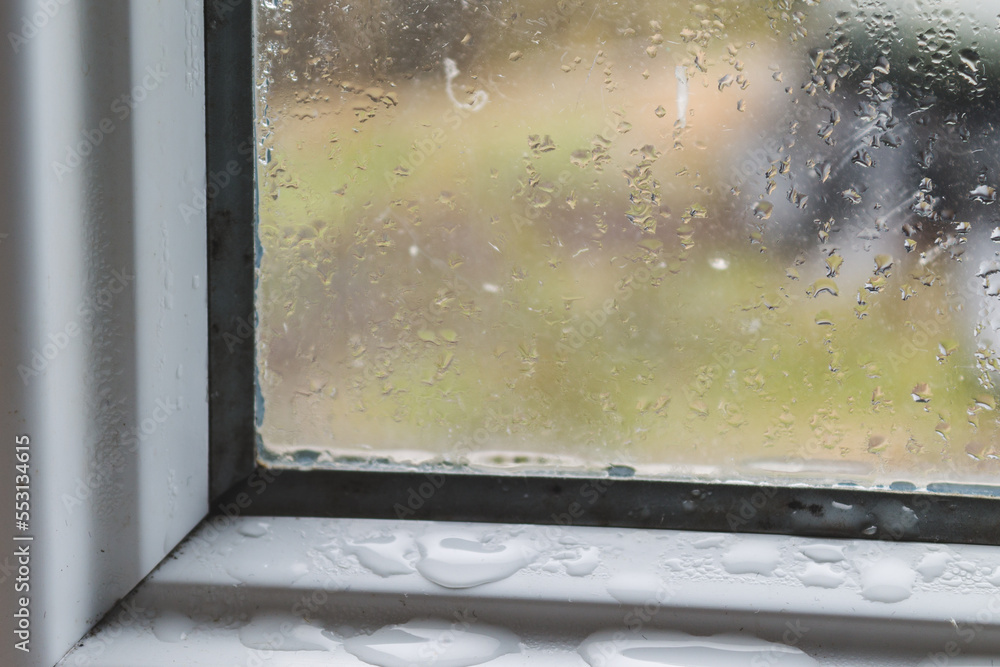
Windows fogging up inside can be a common problem that leads to discomfort and potentially health issues. This guide will dive deep into the causes and provide effective solutions to prevent condensation and improve your indoor environment. Understanding the reasons behind this phenomenon, and learning how to mitigate issues such as moisture buildup, inadequate ventilation, or even simple drafts, will not only enhance your home comfort but also its overall energy efficiency. We will explore the causes in detail, including moisture buildup, ventilation issues, and drafts, and will cover solutions ranging from simple adjustments to more comprehensive home improvement steps. We will discuss how to prevent mold growth, improve energy efficiency, and create a healthy indoor environment.
Understanding the Root Causes of Window Fogging
Moisture Buildup
Indoor moisture, often resulting from cooking, showering, or simply breathing, can saturate the air, leading to condensation on cooler surfaces, like windows. High humidity levels are a significant contributor to window fogging. Studies have shown that even seemingly minor increases in humidity can significantly increase the likelihood of condensation. In kitchens, steam from cooking is a primary culprit. A humid bathroom after a shower is a common area for condensation buildup, and even regular human respiration releases moisture into the air. It may seem insignificant, but prolonged exposure to moisture can lead to various health issues as well as damage to household items. For example, mold and mildew may start growing in areas prone to excess moisture.
Insufficient Ventilation: A Silent Culprit
Poor Air Circulation
Adequate ventilation is essential for regulating indoor humidity and maintaining a comfortable environment. When ventilation is inadequate, moisture remains trapped indoors, leading to increased humidity. Consider the following scenarios: a home that isn’t properly ventilated after cooking, an unventilated bathroom post-shower, or a home with poor overall airflow, all contribute to higher interior moisture, leading to condensation on windows. Air quality issues can lead to various health issues, from respiratory issues to allergies. Proper ventilation will reduce this issue. Ventilation is key to maintaining a comfortable and healthy indoor environment. Also, consider if the building itself is constructed to allow for appropriate air circulation. Insufficient exhaust fans can further intensify the problem. The use of a dehumidifier could be a short-term solution for severe cases.
Related Post : Kitchen Sink Draining Slowly? Easy Tips to Clear Blockages Fast
Drafts and Temperature Fluctuations: A Double-Edged Sword
External Temperature Variation
Temperature differences between indoor and outdoor environments play a vital role in condensation formation. When cold air comes into contact with warm, moist indoor air, condensation occurs on cooler surfaces like windows. Windows, being exposed to the external environment, often experience significant temperature fluctuations. In areas experiencing sudden temperature changes, it is crucial to check for and repair drafts to reduce the amount of moisture buildup. To illustrate, a significant drop in external temperature causes condensation to form more readily on the windows.
Preventing Window Fogging: Practical Solutions
Simple Adjustments
Numerous simple adjustments can significantly reduce condensation. Improving ventilation is a crucial step. Proper ventilation and dehumidification can create a significantly better living space. Install exhaust fans in bathrooms and kitchens to remove moisture-laden air. Ensure adequate cross-ventilation by opening windows regularly, especially in well-ventilated areas. Additionally, try using a dehumidifier to actively remove moisture from the air. In cases of severe condensation, the use of a dehumidifier could be a short-term solution.
Addressing the Issue: Comprehensive Solutions
Window Treatments
Consider installing energy-efficient windows. This type of window can significantly reduce the amount of condensation by reducing temperature fluctuations on the surfaces of the windows. Window insulation film can be placed on the inside of the glass to reduce condensation formation. If there are significant drafts or issues with window frames, sealing or replacing them can also help to prevent moisture buildup.
In conclusion, understanding the causes of window fogging inside and implementing preventive measures can significantly enhance your home’s comfort and energy efficiency. By addressing issues such as moisture buildup, drafts, and insufficient ventilation, you can maintain a comfortable and healthy environment. This guide has provided practical steps to reduce condensation and prevent window fogging. For further assistance or specific scenarios, consider contacting a home improvement professional. Prevent window condensation, improve your home, and create a healthier living space today!