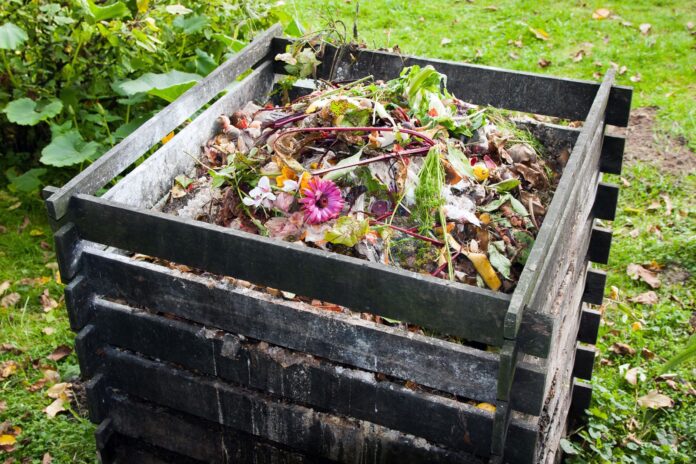
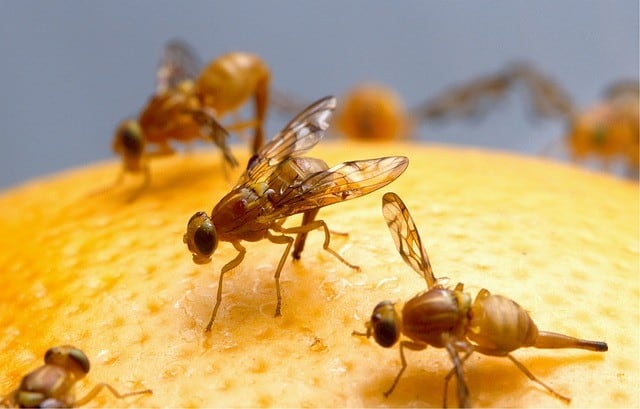
Compost bin attracting pests is a common problem for many home gardeners. It’s frustrating to see your hard work attract unwanted guests instead of the beneficial insects and microorganisms that are essential for a thriving compost pile. This article will delve into the reasons why pests gravitate towards compost bins and provide practical solutions to maintain a clean and pest-free composting system, helping you maximize composting success. We’ll cover crucial aspects like bin selection, hygiene practices, and pest deterrents. This comprehensive guide will walk you through various strategies, providing you with a clear roadmap to building a thriving composting ecosystem without the nuisance of pests.
Understanding Why Pests are Drawn to Compost Bins
Common Pest Attractors in Compost
Compost bins offer a haven for a wide range of pests due to the abundance of organic matter. This attracts scavengers looking for food and shelter. Fruit and vegetable scraps, meat and dairy products, or improperly disposed of food waste contribute to a breeding ground for flies and other insects that quickly lay eggs. Moisture levels in a compost bin can also create an ideal environment for these pests. These insects and rodents, often attracted by the smell and the readily available food source, become a persistent issue if the compost is not managed appropriately.
The Role of Moisture and Temperature
A moist environment, whether due to rainfall or improper layering in the compost, plays a vital role in attracting pest infestations. A consistent temperature in the bin can also significantly influence the number of pests drawn to it. Maintaining the right moisture and temperature within the compost is essential to encouraging beneficial composting organisms and deterring unwanted pests. Rodents and other pests are drawn to the moisture and the warmth of the compost pile. By understanding the attraction factors, we can take effective steps to prevent unwanted visitors.
Preventing Pests from Entering Your Compost Bin
Related Post : Recycling System at Home Not Working Efficiently? How to Simplify It
Selecting the Right Compost Bin
Choosing the right compost bin is fundamental to preventing pests. A tightly sealed bin is a deterrent against many unwanted guests. Consider a bin with a tight-fitting lid and sturdy construction to limit access points. Look for a bin with a screened base and walls to allow air circulation without creating openings for entry.
Maintaining Compost Bin Hygiene
Regular maintenance is key to pest control. Emptying and cleaning the bin regularly is critical to preventing an infestation. Ensure food scraps are completely covered to avoid attracting insects. Avoid introducing meat or dairy products to your compost bin, as they can attract pests. This is important for the health of your compost bin as well as preventing pest issues.
Effective Pest Deterrents
Natural Deterrents
Natural deterrents can be highly effective in keeping pests away from your compost bin. Consider placing coffee grounds or citrus peels around the base of the bin. These scents can be unpleasant for pests, creating a natural barrier. Similarly, placing a layer of wood chips or gravel around the base can also help prevent pest entry. Adding beneficial insects, like lacewings or praying mantises, can also help reduce pest populations.
Physical Barriers
Physical barriers can also be implemented to restrict pest access. Placing a physical barrier around the compost bin can help prevent pests from approaching. This can include laying a layer of gravel or pebbles around the base of the compost bin to create a barrier. Additionally, using a hardware cloth or metal mesh screen at the base of the bin can help keep pests and rodents away from the compost, preventing direct entry.
Maintaining a Healthy Compost Environment
Proper Layering and Turning
Proper layering and turning of the compost material are crucial for maintaining a healthy and balanced environment. By alternating dry and wet materials, you can create a balanced mix that reduces the ideal conditions for pests. This process also speeds up the composting process and helps avoid the development of unpleasant smells and odors, thereby discouraging pests.
Choosing the Right Location
The location of your compost bin is important. Choose a spot that is well-drained and out of direct sunlight. Avoid areas that are excessively damp or close to water sources, as these conditions can attract pests.
Addressing Specific Pest Problems
Rodents
Rodents are attracted to compost piles by the presence of food and shelter. Keeping the compost pile dry and minimizing access points, such as securing the compost bin lid, are essential strategies. Using rodent repellents around the compost bin may also help deter these unwelcome guests. Monitoring the area for rodent activity and promptly addressing any signs of infestation are also important steps.
Conclusion
FAQ
FAQ
FAQ
In conclusion, preventing pests from entering your compost bin requires a multi-pronged approach. Maintaining cleanliness, employing deterrents, and selecting the right location are crucial steps to a successful and pest-free composting experience. By implementing these strategies, you can enjoy the benefits of composting without the unwelcome company of pests. To learn more about composting or find answers to your questions, visit our website or check out our blog. Happy composting!