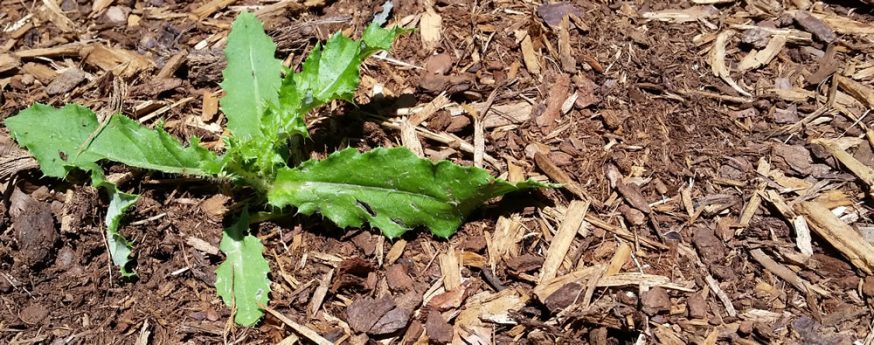

Weeds spreading fast in flower beds can quickly ruin the aesthetic appeal of your garden. This article provides a comprehensive guide to understand and address this common gardening problem. We’ll explore the reasons behind rapid weed growth in flower beds and provide actionable solutions, covering everything from preventative measures to targeted removal techniques. We’ll also discuss the importance of proper identification for effective management. The structure of this article will be as follows: we’ll start with preventative strategies and move on to addressing existing infestations; followed by a discussion of choosing the right removal methods, and finally, we’ll wrap up with a comprehensive conclusion highlighting key takeaways and actionable advice.
Understanding the Causes of Fast-Spreading Weeds
Rapid weed growth in flower beds can stem from various factors. One critical element to consider is the introduction of seeds or roots through contaminated soil or plants. Also, proper watering and soil maintenance are important for weed prevention. Incorrect watering schedules can lead to excess moisture, a breeding ground for weeds. Inadequate soil preparation, poor drainage, and compacted soil can create ideal conditions for germination. A lack of sunlight in certain flower beds or poor mulch application may also contribute to weed issues.
Types of Weeds & Their Spread
Different weed types have different dispersal methods. Some reproduce aggressively through seeds, while others spread through underground rhizomes or runners. Understanding these differences can tailor weed control efforts to the specific weed types in your garden.
Proactive Prevention Strategies
Related Post : Lawn Turning Brown Despite Watering? What Might Be Going Wrong
Maintaining healthy flower beds is a crucial element in preventing weed infestations. Implementing proactive strategies to mitigate potential problems is more cost-effective than dealing with severe infestations later. This includes consistently cultivating the soil, using weed-blocking materials, and regular monitoring for new weed growth.
Soil Preparation and Mulching
Thorough soil preparation is essential. Remove any visible weeds, aerate the soil to encourage healthy root growth, and amend it with compost or other organic matter to enhance its quality. Mulching is another preventative measure; a consistent layer of mulch will inhibit weed germination. Choose materials like wood chips or shredded bark. Make sure to regularly maintain the mulch layer, removing any debris that might cause issues.
Targeted Removal Techniques
When weeds have already established themselves, targeted removal is necessary. Manual removal, herbicides, and other methods each have a role to play in the process. Early intervention is key; removing weeds before they spread widely is generally more effective.
Manual Removal and Hand-Pulling
For smaller weeds, manual removal using hand tools is often effective. Carefully dig around the roots, being meticulous to extract the entire root system; otherwise, the plant may regrow. Repeat this procedure regularly to maintain control. Consider using a garden trowel for larger weeds. Employing hand-pulling methods ensures minimal harm to nearby plants or soil.
Utilizing Herbicides Strategically
In cases of a larger infestation or stubborn weed types, herbicides can be a useful tool. However, carefully consider the type of herbicide and follow instructions meticulously. The use of broad-spectrum herbicides needs extra caution. Selective herbicides target specific weed types, lessening damage to desirable plants. Choose a herbicide suitable for the specific weed species. Employ pre-emergent herbicides to control weeds before they germinate.
Chemical Weed Control and Safety Precautions
Using herbicides should adhere to local regulations and safety precautions. Ensure proper ventilation, wear protective clothing, and avoid contact with skin or eyes. Carefully follow all label instructions when applying any herbicide to avoid harming non-target plants or animals.
Long-Term Strategies for Flower Bed Maintenance
To keep your flower beds weed-free in the long run, consider these approaches. These maintenance techniques can prevent future issues. Regular inspection and monitoring are vital to catching weed problems early.
Monitoring and Early Intervention
Regular checks can prevent weed growth issues and maintain the aesthetic appeal of your flower beds. This includes inspecting for new weed emergence. Implementing regular maintenance will keep the garden vibrant and help in controlling weeds before they become persistent problems. Keep an eye out for new weeds; the sooner you address them, the less effort is required.
Case Study: Successful Weed Control in a Residential Garden
A homeowner in a suburban area experienced an infestation of creeping Charlie in her flower beds. She initially tried hand-pulling, but the weeds quickly reappeared. She then employed a pre-emergent herbicide targeted at the creeping Charlie. In a few weeks, the weed population significantly reduced, and she maintained the beds using appropriate mulch application and regular inspections to prevent future infestations.
FAQ
How do you identify weeds in a flower bed?
Identifying weeds involves close examination of their characteristics, such as leaf shape, stem structure, and growth patterns. Comparing these observations to known weed species, consult a local gardening book, or online resources can help. Consulting with a local expert may also be helpful. By understanding weed characteristics, you can effectively choose the most suitable control methods.
What are the best organic weed control methods?
Organic weed control methods include hand-pulling, mulching, and the application of natural herbicides, such as vinegar or boiling water. Careful consideration should be given to the effectiveness of each approach for the type of weed. Research thoroughly to select the optimal organic solution for your particular garden.
What is the best time to apply weed control products?
Timing is critical for successful weed control. Pre-emergent herbicides are best applied before weed seeds germinate, while post-emergent herbicides are effective after weeds sprout. Consult labels for application guidelines and consider local weather conditions when deciding on the appropriate application period. Following instructions rigorously is essential for successful results.
In conclusion, effectively controlling fast-spreading weeds in flower beds requires a multifaceted approach. A combination of proactive preventative measures, targeted removal techniques, and understanding the specific weed types is key. By implementing these strategies, you can maintain the beauty and health of your flower beds while preserving the aesthetic appeal of your garden. Remember to research local weed species and consult local gardening resources for species-specific control methods. For optimal results, consider regular inspections and early intervention, as this often proves more manageable than dealing with extensive infestations. Ready to tackle your weed problem? Visit [website address] for more resources and expert advice.