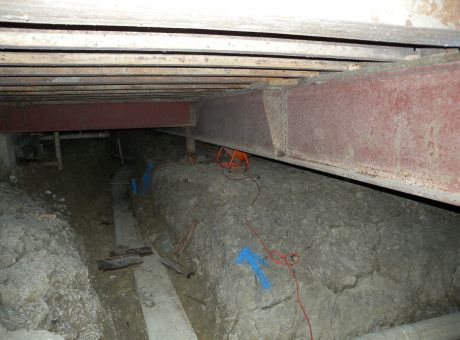
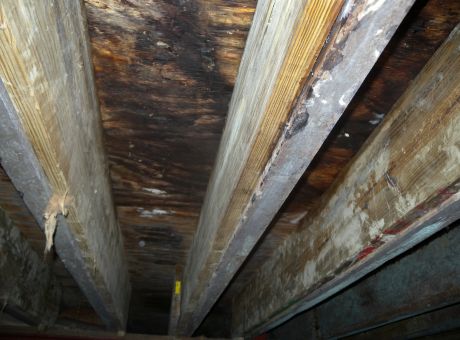
Crawl space feeling damp? This pervasive issue can lead to significant structural problems and health concerns, impacting your home’s value and your family’s well-being. This comprehensive guide will delve into the causes of damp crawl spaces and provide actionable steps to prevent moisture damage to the base of your home. We’ll explore various solutions, from simple DIY fixes to professional interventions. Let’s get started! Our goal is to give you a clear understanding of how to identify and fix this problem.
Understanding Crawl Space Moisture Issues
Crawl spaces are often the first place water-related problems take root in a home. If moisture enters your crawl space, it can cause a range of problems, such as mold, mildew, and structural damage to the base of the house. Understanding these issues is the first step toward effective prevention and mitigation.
What Causes Crawl Space Moisture?
Several factors can contribute to a damp crawl space, including inadequate ventilation, poor drainage, and even nearby water sources. Improper grading around the house, for example, can direct rainwater into the crawl space. Ground water can also contribute to the problem.
Identifying the Signs of Dampness
Recognizing the signs of moisture is essential for addressing the problem promptly. Visible water stains, musty odors, mold growth, or the presence of condensation are all strong indicators of a damp crawl space. Checking for excessive humidity or condensation is also key.
Related Post : Gaps Forming Around Windows? Possible Foundation Settlement Issues
Effective Moisture Control Strategies
Preventing moisture from penetrating your crawl space is key to preventing long-term damage. Proper moisture control starts with effective prevention.
Improving Ventilation
Improving ventilation is a crucial step in moisture control. Adequate ventilation allows for the circulation of air, helping to dry out the crawl space and reduce humidity levels. This can often be achieved through the installation of vents to permit air exchange and eliminate moisture.
Waterproofing Techniques
For areas prone to significant moisture, a waterproofing system can provide a further layer of protection, stopping the ingress of moisture from above or the ground.
Waterproofing the Walls and Floor
Implementing waterproofing techniques involves lining the walls and floor of the crawl space with waterproof membranes or coatings. This creates a barrier against moisture, preventing further damage.
Addressing Drainage Issues
Proper drainage is a critical part of crawl space moisture control. The goal is to keep water away from the crawl space.
Redirecting Waterflow
Ensuring proper grading around the home is crucial. Ensure water flows away from the foundation to prevent water from entering the crawl space. Gutters and downspouts correctly installed can help a great deal.
Maintaining Humidity Levels
Maintaining humidity is one of the critical strategies to mitigate moisture issues.
Installing a Dehumidifier
Installation of a crawl space dehumidifier can help extract excess moisture and moisture vapor from the crawl space air. These units are effective in reducing humidity levels, stopping mold growth and preventing further issues.
Additional Tips and Prevention Tactics
Additional preventative measures can aid in keeping your crawl space dry. A detailed maintenance schedule can help.
Regular Inspections
Routine inspections are essential to catch early signs of moisture problems or potential damage in your crawl space. Identifying problems promptly often stops costly repairs later.
Advanced Techniques and Considerations
Sometimes a complete overhaul of the crawl space is needed.
Professional Crawl Space Evaluation
If problems persist, seeking a professional crawl space evaluation can be highly beneficial. These experts will have the resources and experience to diagnose specific issues and propose well-rounded solutions.
The Importance of Quality Materials
Using high-quality materials is essential for long-term performance.
Choosing the Right Waterproofing Materials
Carefully selecting the right waterproofing materials will ensure long-term durability and protect against moisture damage.
Case Studies of Successful Moisture Control
Examining real-world situations helps demonstrate these preventative measures.
Case Study: A Home Owner’s Success
Share a real-world example of how using proper moisture control techniques solved a crawl space moisture problem successfully. Highlight the specific techniques used and the positive outcomes. This will add real-world value to the readers, giving them practical examples of how these preventative techniques work in practice. This will help readers see the clear benefits of the techniques described previously and feel more confident in their own situations. This case study will add authenticity to the advice and help motivate readers to apply the information given in this article to their own crawl space issues. Consider using a true or very similar case study (without revealing any identifying details of the homeowner, of course). Highlight the specific approach the homeowner took and the outcomes achieved to illustrate the impact of proper prevention techniques in a crawl space environment.
In conclusion, addressing crawl space dampness is crucial for preserving the structural integrity of your home and preventing potential health issues. By implementing these preventative measures, you can enjoy a healthier and more comfortable living space. Remember regular inspections and prompt maintenance are key to long-term moisture control. Consider consulting a professional for tailored solutions if the problem persists or appears severe. For a comprehensive crawl space moisture solution, visit our website today! crawl space feeling damp