Windows letting heat escape is a common problem that affects the energy efficiency of many homes. This often outcomes in boostd energy bills and discomfort in the home. Windows are crucial for natural light and ventilation, but they can also contribute significantly to heat loss. This article will explore effective solutions for fixing this problem, from basic adjustments to more thorough renovations. This thorough guide will cover everything from sealing gaps and upgrading window frames to installing energy-efficient windows. We’ll offer practical steps, actionable insights, and cost-effective strategies, to help you create an energy-efficient home.
determineing the Problem: Heat Loss Through Windows
Understanding the Physics of Heat Transfer
Windows, despite their function in bringing in natural light, are notorious culprits in home heat loss. The process of heat transfer plays a major function in how much heat escapes through the window pane. When temperatures inside are higher than outside, warm air inside the room makes contact with the window. The window will then conduct the heat away from the inside into the environment, causing the temperature difference between the inside and outside to decrease.
Assessing the Severity of the Heat Loss
Several factors contribute to how effectively your windows are preventing heat loss. These include the type of window glass used (single-pane, double-pane, or triple-pane), the quality of the window frame, the presence of gaps or cracks around the window frame, and the efficacy of weatherstripping. A proper assessment of your home’s heat loss through windows is crucial for choosing the right solution. In extreme cases, significant heat loss may necessitate costly upgrades to your windows.
Sealing Gaps and Cracks
Related Post : Electric Bills Keep Rising? Hidden Home Issues You Might Be Missing
determineing and Addressing Leaks
One of the most straightforward solutions for preventing heat loss is to seal gaps and cracks around your windows. These gaps around the windows are often the primary source of heat loss. By using caulk, weatherstripping, or foam sealant, you can effectively fill any gaps that allow cold air to seep in and warm air to escape. Regular inspections are essential to detect any new leaks that might appear over time. Using specialized tools to determine these leaks is crucial before sealing them.
Types of Sealing Materials
Various materials can help seal gaps and cracks. Caulk is ideal for small gaps, whereas weatherstripping is more suitable for larger openings or frames. Foam sealant is another option, especially for areas where you need to expand the sealing material to fill a gap. The selection of material will depend on factors like the size and material of the window frame.
Upgrading Window Frames
The Importance of Frame Insulation
Outdated window frames can contribute significantly to heat loss. Upgrading to more insulated frames, or at least adding insulation to the existing ones, is a worthwhile investment. Consider replacing your frames with modern, energy-efficient materials, such as composite or vinyl. These materials offer improved insulation and durability compared to older wood or metal frames.
The Process of Frame Upgrades
If you select to replace your frames, the process typically involves removing the existing frames, installing new frames, and ensuring proper sealing around the new frame to avoid further leaks. The complexity and costs associated with frame replacement are dependent on the specifics of the installation.
Installing Energy-Efficient Windows
benefits of Double- or Triple-Pane Windows
Replacing old windows with new, energy-efficient models is a considerable long-term investment. Energy-efficient windows, particularly double- or triple-pane windows, significantly reduce heat transfer. These advanced windows are constructed with multiple panes of glass separated by air gaps, creating an effective barrier against heat loss. The added benefit of energy efficiency translates to lower energy bills over time.
Types of Energy-Efficient Windows
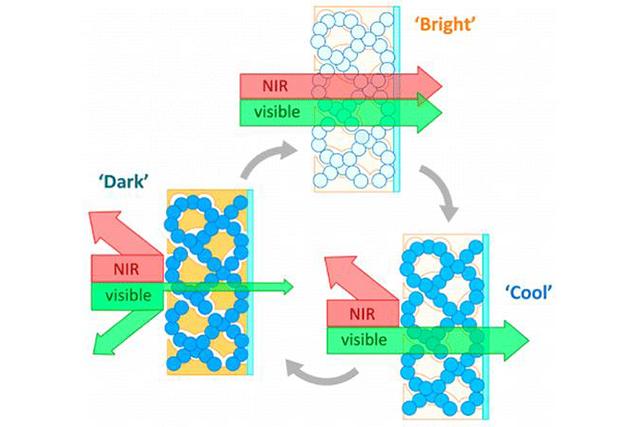
Consider various options such as Low-Emissivity (Low-E) glass, which reflects heat back into the room, minimizing heat loss. Laminated glass, combining multiple layers of glass with a transparent interlayer, enhances security and reduces heat transfer. Visit a local supplier or study online to learn about various types and compare their specifications, attributes, and prices.
Utilizing Window Treatments
The function of Curtains and Blinds
Window coverings, such as curtains or blinds, can play a surprisingly effective function in improving your home’s energy efficiency, especially when you’re aware of how to use them properly. By adjusting curtains to block drafts and retain heat in the winter, or reduce exposure to the sun in the summer, you can help moderate temperatures in the home. This reduces the need for heating and cooling, saving energy.
Choosing the Right Window Treatments
Consider materials like heavy drapes or thermal blinds, which are specifically designed for insulation purposes. A variety of styles and colors are available to match your home’s décor. When selecting window treatments, consider factors like the location and amount of sunlight the windows receive.
How can I determine if my windows are significantly contributing to heat loss?
Checking for drafts, using a thermal imaging camera, or comparing your energy bills to previous years are all useful diagnostic methods. Comparing energy bills from similar houses, and checking the temperatures of the adjacent rooms are helpful too.
What are the long-term cost savings associated with addressing windows letting heat escape?
The long-term savings depend on factors like your region’s energy prices, the extent of your heat loss, and the specific solutions adopted. Reducing heat loss will translate to lower utility costs over the long term. Initial investments in solutions like more energy-efficient windows may yield substantial cost savings and pay for themselves in a relatively short amount of time.
What are some affordable solutions to help prevent heat loss?
Several affordable fixes exist, including sealing gaps with weatherstripping or caulk and using heavy curtains or blinds to insulate windows. These are cost-effective methods to reduce heat loss without major renovations or replacements.
In conclusion, addressing Windows letting heat escape is vital for energy efficiency and comfort. By implementing these simple fixes, you can significantly reduce energy costs and improve the overall performance of your system. If you’re still experiencing issues, consult a professional technician for further assistance. Don’t hesitate to share your experience and energy-saving tips with others in the comments below! Let’s work together towards a more sustainable future.