Is your insulation not performing well? Feeling drafts, high energy bills, or uneven temperatures? If so, you’re not alone and it might be time for an upgrade. Insulation not performing well can significantly impact your home’s energy efficiency, comfort, and overall health. This thorough guide will delve into the key signs that indicate it’s time to upgrade your insulation, exploring various types of insulation, installation methods, and the potential cost savings. We’ll also discuss the optimal practices for selecting the right insulation and contractors to ensure a achievementful and cost-effective upgrade. Throughout this article, we’ll use specific examples and statistical data to highlight the importance and benefits of a proper insulation system.
determineing the Signs of Failing Insulation
Recognizing the Problems
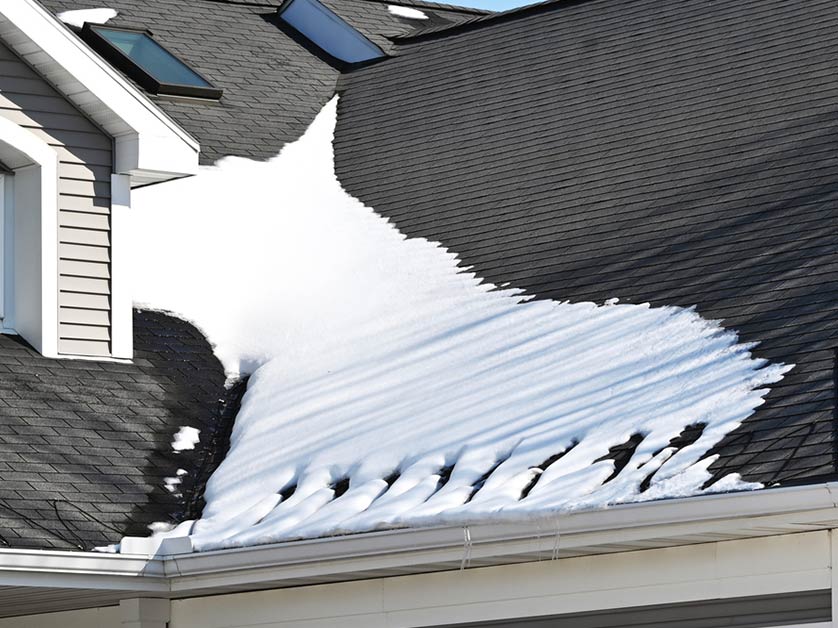
Many homeowners fail to recognize that their insulation is not performing at its peak. Unnoticed problems can lead to boostd energy bills, drafts, and uneven temperatures throughout the house, causing discomfort. While signs like cold spots, high utility bills, or noticeable drafts are obvious indicators, there are more subtle issues. For example, if you notice moisture buildup in certain areas, it could be a sign of improper insulation. Also, an inspection of the existing insulation is vital. Assess its integrity, age, and efficacy to determine its overall condition.
The Impact of Poor Insulation on Energy Bills
Understanding the Financial Implications
Poor insulation leads to significant energy waste, which directly translates to higher energy bills. In the long term, inefficient insulation can outcome in substantial boosts in your utility costs. For instance, a poorly insulated home might consume 20% to 30% more energy to maintain the same temperature as a well-insulated home. This considerable difference in energy consumption can lead to substantial boosts in energy bills, potentially adding hundreds to thousands of dollars to your annual utility costs. This financial burden can be effectively reduced through insulation upgrades, significantly impacting your budget in the long term.
Related Post : Electric Bills Keep Rising? Hidden Home Issues You Might Be Missing
varied Types of Insulation and Their efficacy
Choosing the Right Material
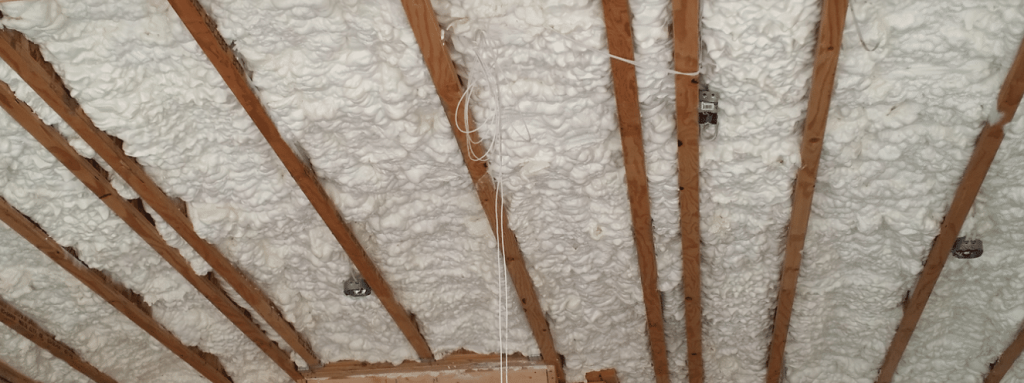
There’s a wide scope of insulation materials available, each with varying levels of efficacy and cost. Common insulation types include fiberglass, cellulose, spray foam, and mineral wool. Fiberglass insulation is relatively affordable and easy to install, while cellulose is an eco-friendly option made from recycled materials. Spray foam is known for its exceptional airtightness and thermal performance, though it can be more expensive. Mineral wool is a good option for areas with moisture concerns. The optimal choice depends on your home’s specific needs, budget, and environmental concerns. Factors such as the climate, local building codes, and the age of your home are all crucial in selecting the right material.
The Importance of Professional Installation
Expert Advice for Optimal outcomes
Professional installation is crucial for maximizing the benefits of new insulation. Insulation installers have the expertise and specialized tools to ensure proper installation, minimizing gaps and maximizing insulation efficacy. Improper installation can lead to significant gaps and voids, diminishing the insulating properties of the material and negating potential cost savings. Hiring a professional contractor will reduce the likelihood of encountering costly repairs or replacements in the future. Professional installations are crucial for ensuring compliance with local building codes and achieving optimal energy savings.
Assessing the Cost of Insulation Upgrades
Understanding Budgeting and ROI
The cost of insulation upgrades varies significantly depending on the type of insulation, the size of the home, and the complexity of the installation. Estimating costs requires careful consideration of material costs, labor charges, and any necessary repairs. Factors such as accessibility to the insulation areas, and the type of insulation, greatly influence the final cost. For example, upgrading insulation in an attic can be more expensive than insulating walls due to the complexities of the installation. While the initial cost of insulation upgrades may seem significant, the long-term savings in energy bills, improved comfort, and reduced environmental impact can offer a very good return on investment (ROI).
Insulation Materials for Various Environments
Choosing the Right Insulation for Your Home
Certain insulation materials are better suited for specific environments. For example, homes in humid climates may benefit from moisture-resistant insulation, like spray foam or certain types of cellulose. Homes with extensive exterior walls might require thicker insulation compared to those with better structural integrity.
Energy Saving Tips for Your Home
Practical Strategies for Improving Your Home’s Insulation
Beyond insulation upgrades, several energy-saving measures can contribute to a more sustainable and comfortable home. Consider measures such as weatherstripping, sealing drafts, and using energy-efficient appliances. The combination of effective insulation, coupled with energy-saving practices can significantly reduce your carbon footprint and conserve energy.
The function of Contractors in Insulation Upgrades
selecting Reliable Contractors for Quality Work
Choosing a reputable and qualified insulation contractor is vital for a achievementful upgrade. Look for contractors with experience, licensing, and positive reviews from previous customers. In addition to evaluating the expertise of the contractor, consider the availability of warranties and guarantees to ensure the longevity of the installation.
The Significance of Local Building Codes
Understanding Local Regulations for Insulation
Understanding local building codes regarding insulation materials and installation practices is essential for ensuring compliance and avoiding potential legal issues. Compliance with local regulations ensures the safety and functionality of the insulation system while adhering to environmental and safety standards.
In conclusion, if your insulation isn’t performing up to par, it’s time to consider an upgrade. Signs like higher energy bills, drafts, or uneven temperatures throughout your home point to a need for a professional inspection and potential replacement. Don’t hesitate to contact qualified contractors for a thorough insulation assessment and to discuss various insulation options tailored to your home’s needs. An upgraded insulation system will not only improve your home’s energy efficiency, but also create a healthier and more comfortable living environment for you and your family, while saving you money on energy bills in the long run! Contact us today for a complimentary consultation and let us help you achieve optimal home insulation.