
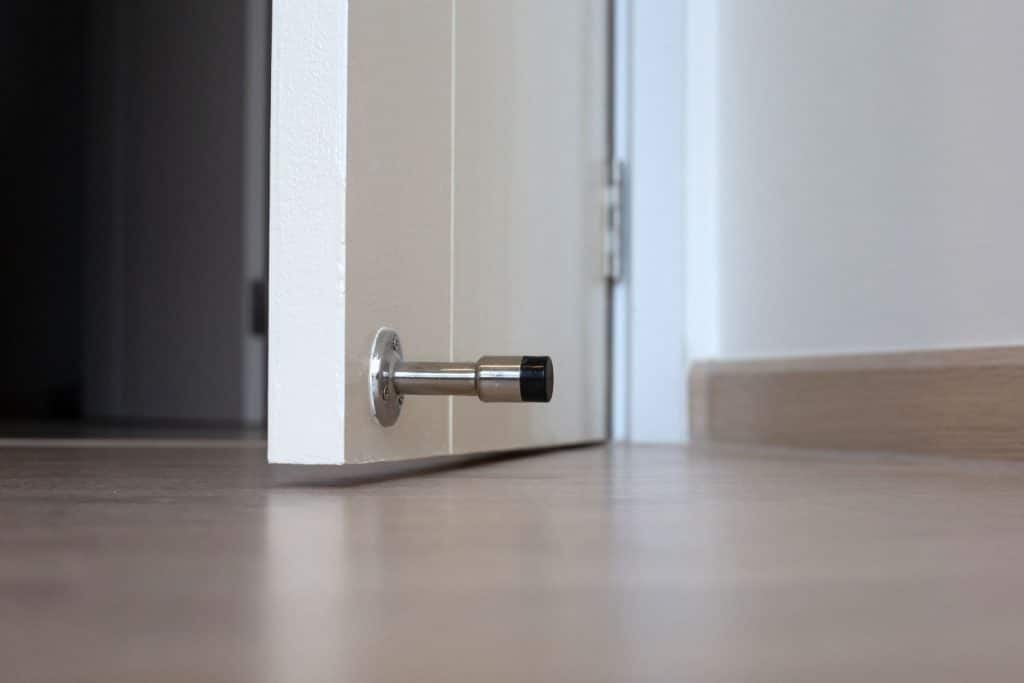
Draft coming through gaps? How to seal without replacing the door is a common home improvement concern. Many homeowners face drafts that compromise comfort, energy efficiency, and overall home value. Fortunately, there are effective and affordable methods to seal those gaps without the expense and hassle of a complete door replacement. This thorough guide will walk you through various solutions, from simple DIY fixes to more advanced techniques. We’ll cover everything from choosing the right materials to applying them correctly, ensuring a permanent solution. Learn how to determine the causes, select suitable sealants, and implement cost-effective solutions for creating a draft-complimentary home.
Understanding the Problem: Why Drafts Matter
determineing the Source of the Draft
Drafts are more than just a slight chill—they can significantly impact your home’s energy efficiency, comfort, and even your budget. Unsealed gaps around doors are a major culprit. These gaps allow warm air to escape during winter, requiring your heating system to work harder and costing you money. Conversely, during the summer months, cool air can escape, making your home hotter and requiring your air conditioning system to work harder. A properly sealed door not only saves money but also enhances comfort by maintaining a consistent temperature throughout your home.
Calculating Energy Savings
According to the Department of Energy (DOE), sealing drafts can reduce energy consumption by 5-15%. This translates to considerable savings on your utility bills, especially in colder climates. These savings can add up over time, making draft prevention a worthwhile home improvement project.
The Cost of Ignoring Drafts
Neglecting drafts can lead to higher energy bills. Every little draft adds up, and over time, it translates to substantial financial burdens. Ignoring the issue can also lead to more significant problems down the road. This is because drafts can introduce more moisture into the home, which, over time, can damage the structure and potentially lead to mold growth.
Related Post : Paint Chipping Around Edges? Proper Prep for a Lasting Finish
DIY Solutions for Sealing Gaps
Choosing the Right Materials
There are several affordable and effective DIY solutions for sealing drafts around your doors. The optimal material for your situation will depend on the type of gap and the level of the draft. Common materials include weatherstripping, caulk, and expanding foam. Weatherstripping is ideal for smaller gaps, caulk works for larger gaps and crevices, and expanding foam is a powerful solution for filling large openings.
Applying Weatherstripping
Weatherstripping comes in various forms, including foam, rubber, and vinyl. select a material appropriate for the type of door and the size of the gap. A common mistake is using the wrong size, leading to an inefficient seal. Ensure proper adhesion for lasting performance.
Sealing with Caulk
Caulk is a versatile material that can fill gaps and cracks around doors. select a caulk that is suitable for both interior and exterior use, ensuring compatibility with your door material. Apply the caulk in a smooth, continuous bead along the gap, ensuring complete coverage.
Advanced Techniques for Draft Prevention
Installing Door Sweep
Installing a door sweep is an effective way to seal the gap between the floor and the door. This simple yet effective solution can significantly reduce drafts, especially near the bottom of the door. varied types of door sweeps are available, so select one that suits your door frame and floor type.
Using Expanding Foam
Expanding foam is an excellent choice for sealing large gaps or gaps around the door frame. Its expansiveness fills the gap completely, creating a tight seal. Apply the foam according to the manufacturer’s instructions, ensuring thorough curing and proper gap coverage. Note that expanding foam can be challenging to remove if not handled carefully, so accuracy is crucial.
Addressing Other Sealing Issues
Consider all potential entry points for drafts beyond just the door itself. Check for cracks or gaps around the door frame, particularly around the top and sides. Weatherstripping or caulk can be used for these too. By addressing all possible entry points you improve the sealing efficiency.
Preventing Future Problems
Regular Inspections
Regularly checking the condition of your door seals is crucial for maintaining energy efficiency and comfort. Pay close attention to any gaps or areas where drafts seem to be coming through. Early detection is key to prompt action.
Professional Help
If DIY approaches are not sufficient or if you feel uneasy about working with certain materials or techniques, it’s always optimal to seek professional help from a local handyman or contractor. They can advise and guide you to get the optimal outcome for your home’s situation.
Maintenance Schedule
Establish a regular maintenance schedule for your door seals, ideally once a year, to check for deterioration or damage. This proactive approach ensures that your energy efficiency is maintained over time.
Cost-efficacy examination
Comparing Costs
While replacing a door might seem like a more permanent solution, sealing gaps with DIY methods can be significantly more cost-effective in the long run. Detailed cost comparisons will show you this. Replacing the door can be more expensive and require more time and labor.
Long-Term Savings
The long-term savings realized through energy efficiency gains outcomeing from effective gap sealing easily offset the cost of the materials. Regularly sealing doors can lead to significant long-term savings in energy costs and contribute to your home’s overall longevity.
Return on Investment
The return on investment is impressive—better energy efficiency and a more comfortable home environment are priceless! In addition, it helps protect your home’s structure from drafts.
In conclusion, sealing gaps in doors without replacement is a cost-effective and often surprisingly easy fix. By understanding the varied methods and materials available, homeowners can effectively improve their home’s energy efficiency and curb appeal. Remember to prioritize safety and proper techniques throughout the process. For further assistance or if you’re unsure about any step, consult with a professional handyman or contractor. If you found this guide helpful, share it with your friends and family! And don’t hesitate to leave a comment below with your experiences and querys!