Misdetermineing load-bearing walls is a serious issue that can compromise the structural integrity of a building, posing significant risks to occupants and property value. This thorough guide will explore the risks associated with misdetermineing load-bearing walls, providing practical strategies for proper verification and emphasizing the importance of professional consultation.
Understanding Load-Bearing Walls
Defining Load-Bearing Walls
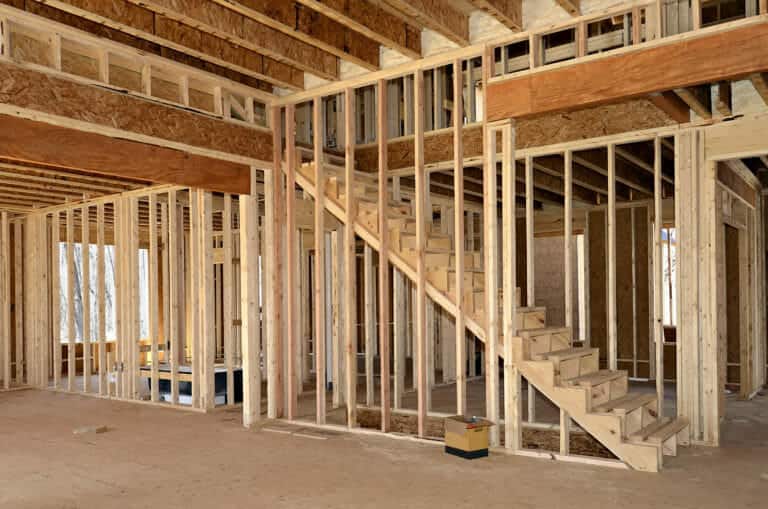
Load-bearing walls are essential structural components in a building that support the weight of the roof, floors, and other structural elements above them. These walls transmit vertical forces to the foundation, a process central to a structure’s overall stability. Incorrect identification can lead to disastrous consequences and structural failure. A thorough understanding of these crucial elements is paramount for any building project.
Recognizing the Risks of Misidentification
Potential Consequences of Errors
Misdetermineing load-bearing walls can lead to a cascade of problems. Removing a load-bearing wall could cause the building to collapse, outcomeing in severe damage, injury, and significant financial losses. The repercussions of a structural failure are far-reaching, encompassing safety concerns, legal liabilities, and substantial rebuilding costs. Moreover, such errors can compromise the overall structural integrity of the property.
determineing Load-Bearing Walls: Practical Verification Methods
Utilizing Visual Inspection and Documentation
Properly verifying load-bearing walls is paramount to a structure’s longevity. A key step is performing a visual inspection of the walls, noting their construction materials and any structural characteristics indicative of load-bearing function. Detailed documentation should include photographic evidence, diagrams, and a written record of findings, which can be used as references for future building decisions and potentially offer valuable information for structural engineers during assessments.
The function of Professional Consultation
Engaging Structural Engineers for Expert Advice
Engaging a qualified structural engineer is highly recommended to verify load-bearing walls. Structural engineers possess the expertise and tools to accurately determine load-bearing walls, employing advanced techniques to analyze the building’s structure and design. Their evaluation often includes assessments of the building’s plans, visual inspections, and potentially non-destructive tests. This professional approach minimizes potential errors and ensures adherence to building codes, thus mitigating risks.
Related Post : Improper Grading Around Home? Impact on Stability and Drainage
Non-Destructive Testing Techniques
Employing Advanced Methods for Accurate Identification
In certain situations, non-destructive testing methods such as ultrasonic testing or magnetic particle inspection can offer further insights. These methods aid in assessing the internal integrity and structural condition of the wall. These tests are especially useful in situations where visual inspection or professional consultation isn’t readily accessible or yields inconclusive outcomes.
Case Studies: Understanding Real-World Examples
Investigating Real-World Examples
Numerous examples illustrate the importance of careful assessment in avoiding issues with load-bearing wall misidentification.
Conclusion – The Importance of Accuracy
Emphasize the Importance of Accuracy
In conclusion, accurate identification of load-bearing walls is crucial for structural integrity, building safety, and long-term value. Consult qualified professionals for accurate assessments.
Advanced Methods of Detection
Utilizing Specialized Equipment
Advanced methods, such as ultrasonic or magnetic particle inspection, can offer insights into a wall’s interior condition and structural soundness.
Building Codes and Regulations
Adhering to Local Standards
Adherence to building codes and regulations related to load-bearing walls is essential for ensuring compliance and safety standards for a construction project.
In conclusion, misdetermineing load-bearing walls can lead to significant structural issues and safety hazards. Thorough verification, using a combination of visual inspection, professional consultation, and potentially non-destructive testing methods, is crucial to avoid costly and potentially dangerous consequences. By understanding the potential risks and employing proper verification methods, homeowners and construction professionals can ensure the integrity and safety of their structures. Contact a qualified structural engineer for detailed assessments if you have concerns about load-bearing walls in your property. Taking these proactive steps is an investment in the safety and longevity of your home.