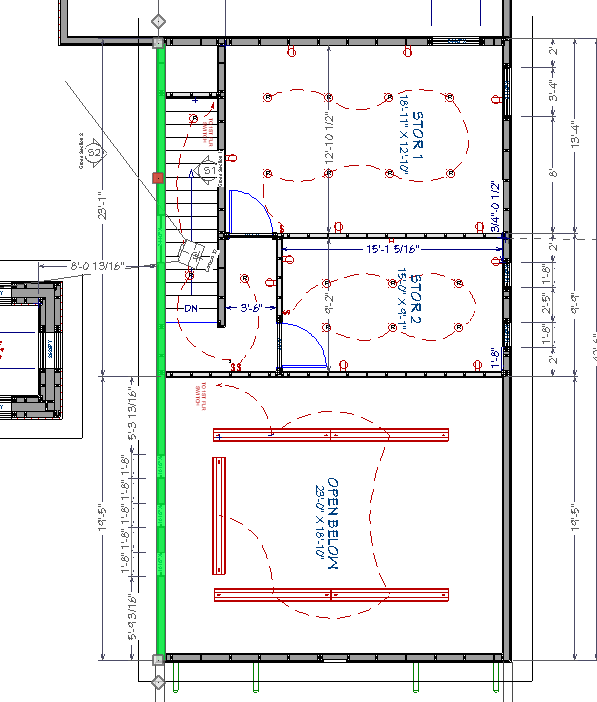
Wall framing not aligning properly is a common frustration for many home construction projects. This often leads to delays, boostd costs, and ultimately, a less-than-ideal final product. Wall framing, the foundation of any wall structure, requires precise alignment for stability and aesthetic appeal. This article delves into the common causes of misaligned wall framing, providing practical solutions and preventative measures. We’ll explore the intricacies of wall framing, determineing critical areas of concern and offering actionable fixes. This thorough guide will be structured as follows: first, we will examine the potential causes; next, we will cover solutions for each cause; and lastly, we will review preventative measures to maintain proper alignment.
Understanding the Fundamentals of Wall Framing
Proper Framing Techniques
Proper wall framing techniques are critical to creating a stable and structurally sound structure. A well-aligned wall frame is the base upon which the entire interior design and aesthetic of a house will rest. Understanding these techniques involves intricate knowledge of layout, materials, and structural considerations. It’s essential to ensure precise measurements and adherence to blueprints, ensuring every stud is correctly placed and leveled. Ignoring these factors can have significant repercussions for the structural integrity of the entire building.
Common Errors in Wall Framing
Common errors, ranging from minor deviations to significant misalignments, often outcome from incorrect measurements, insufficient planning, and poor workmanship. Some examples include using incorrect materials or faulty tools, insufficient fastening, or not accounting for expansion and contraction. Also crucial are improper site preparation or inadequate supervision. Each one can create subtle or severe issues during the framing process.
Common Causes of Misaligned Wall Framing
Related Post : Foundation Settling Unevenly? Signs to Watch and Solutions
Incorrect Measurements and Planning
Inaccurate measurements during the initial planning stage can lead to a multitude of issues down the line. A single misplaced mark can cascade into problems with the entire framing process. Ensuring precise measurements is paramount to avoiding misaligned wall framing. This means double-checking all measurements, using calibrated tools, and ensuring all individuals involved in the process are aware of the importance of accuracy. Construction teams should incorporate a thorough framing checklist to guarantee compliance with safety protocols and detailed plans.
Material Defects and Quality Issues
Using substandard materials, such as warped lumber, can contribute to misalignment. Poor quality materials introduce instability and inconsistencies that can lead to problems with alignment. Ensuring the quality and consistency of materials employed is crucial to maintaining structural integrity. A simple example is using improperly dried lumber which can lead to issues with warping.
determineing and Diagnosing Misaligned Framing
Visual Inspection and Measurements
A systematic visual inspection is the first step in determineing misaligned framing. Pay close attention to the spacing between studs, the level of the top and bottom plates, and the overall straightness of the wall. Use a level, measuring tape, and framing square to check for discrepancies. This is a key step to catching errors early, saving time and resources. Ensure you address any misalignment immediately to mitigate further problems.
Using Framing Squares and Levels
Utilize framing squares and levels to check the vertical and horizontal alignment of each stud. Compare the alignment against the plans to pinpoint any discrepancies. Tools are an crucial tool in diagnosing structural issues in a timely manner. If the alignment is off, note the degree and location of the deviation and compare to the blueprint.
Solutions for Misaligned Wall Framing
Adjustment and Repair Techniques
Once identified, misalignment can usually be addressed through adjustments. Shimming, re-screwing, and re-nailing are commonly used techniques to restore alignment. Thoroughness in the repair process is critical. Ensure all fasteners are adequately tightened and securely in place. If the misalignment is significant, careful consideration of rebuilding the area might be necessary.
Utilizing Shims and Supporting Materials
Shims are often crucial in bringing misaligned studs into alignment. Using appropriate shims can help maintain structural integrity while correcting the alignment. These materials can correct minor or moderate discrepancies. If the structure is heavily affected, it may require a substantial reconstruction and replacement of the structural components.
Preventative Measures to Maintain Proper Alignment
Rigorous Pre-Construction Planning
Thorough planning and thorough documentation are crucial in preventing issues with alignment. Detailed blueprints, clear communication between team members, and stringent adherence to building codes will minimize the chances of misalignment. Ensure that all team members are well versed in the building codes and plans before beginning the project.
Skilled Labor and Expertise
Hiring experienced and skilled labor can greatly reduce the risk of misaligned framing. Experienced carpenters understand the proper techniques and considerations necessary for maintaining alignment. A qualified professional will know how to avoid common pitfalls.
In conclusion, misaligned wall framing is a common issue that can stem from various causes, ranging from improper planning to subpar craftsmanship. By understanding the potential causes and applying the appropriate fixes, homeowners and contractors can ensure a structurally sound and aesthetically pleasing build. Understanding these causes allows for proactive solutions. If you’re facing this problem, remember to thoroughly assess the situation, gather necessary materials, and execute the repairs carefully. For further assistance or more in-depth guidance, consult with a qualified professional. Are you ready to take your homebuilding project to the next level? Visit [website link] for more resources and expert advice.