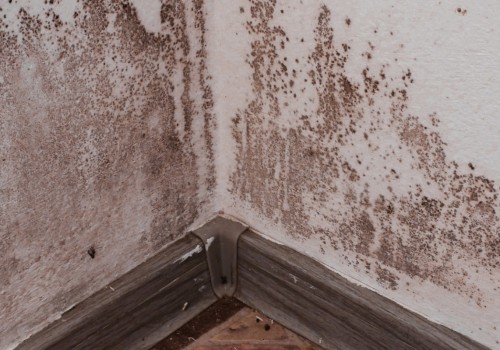
Water damage showing on surfaces is a common problem that homeowners face, leading to costly repairs and potential structural damage. Understanding the root causes and employing effective repair strategies is essential to restoring your property’s value and preventing future issues. This thorough guide will delve into the intricacies of water damage, exploring its causes, repair methods, and preventive measures. We’ll cover everything from determineing the source of the problem to implementing long-term solutions, providing practical steps to ensure a thorough and effective repair process.
determineing the Source of Water Damage
Initial Assessment
Thorough assessment of the affected area is critical to determine the extent of water damage and its specific cause. A simple water leak can quickly become a major issue, necessitating professional intervention. Inspect the affected area carefully. Look for water stains, discoloration, sagging surfaces, or unusual odors. determine any visible signs of damage, such as cracks, bulges, or unusual water accumulation. These clues can offer vital insights into the precise location of the water source. Accurate source identification is paramount to proper remediation.
Common Causes
Water damage on surfaces can stem from various sources, including plumbing leaks, roof leaks, or even overflowing appliances. Plumbing issues often manifest as persistent dampness on specific walls or floors. Roof leaks often outcome in noticeable water stains on ceilings or walls. Overflowing appliances, such as washing machines or dishwashers, can lead to extensive damage to surrounding areas. Understanding the specific cause is critical for implementing the right repair plan.
Moisture Meter and Moisture Sensors
Employing moisture meters and sensors can offer valuable data about moisture levels within affected materials and structures. Moisture sensors will detect hidden damage that visual inspection may miss. This advanced detection often is crucial in determining the extent of water damage and its impact on the underlying structures. Moisture meters help in assessing the severity of the problem and offer accurate insights for the repair process.
Related Post : Handles Coming Loose Over Time? Tips to Secure Them Tight
Repairing Water Damage on Surfaces
Drywall Repair
Damaged drywall is a common outcome of water damage, often requiring significant repair work. Carefully remove any loose or saturated drywall. Ensure proper ventilation to accelerate the drying process, preventing mold and mildew growth. Repairing drywall effectively often involves patching and patching. Patching holes and gaps with the appropriate material and ensuring that the patch blends seamlessly is crucial for a lasting repair. Consider professional repair if the damage is significant.
Surface Repair Techniques
Water damage to painted walls or other surfaces requires varied repair approaches. Removing loose paint, filling cracks or holes, and applying a new coat of paint can restore the affected area to its former glory. For example, in a kitchen where a sink has been leaking, water damage to the surrounding wall may require replacing the wallboard. In cases of surface damage, consider the materials used in the construction of the area and match them accordingly.
Caulking and Sealing
Caulking and sealing are crucial steps in preventing future water damage. Addressing gaps, cracks, or crevices where water can enter, and then applying caulking solutions, will help to seal up the areas and protect surfaces from future leaks. This proactive step can prevent further damage, reducing potential long-term costs. Consider using waterproof caulk in high-moisture areas to ensure durability.
Preventing Future Water Damage
Plumbing Inspections and Maintenance
Regular plumbing inspections and maintenance can prevent leaks and consequent water damage. Inspect pipes for any signs of corrosion or leaks, and address these issues promptly to prevent major problems. Routine maintenance can also significantly reduce the risk of future leaks. Consider a professional inspection if concerns arise.
Roof Inspections and Repairs
Roof inspection and prompt repair of leaks and damage can greatly reduce the risk of water damage. A damaged roof can lead to extensive water damage throughout the house. Ensuring your roof is properly maintained will dramatically reduce the risk of water damage. A thorough roof inspection can help determine potential issues early, preventing costly repairs down the line.
Advanced Techniques for Water Damage Restoration
Structural Damage Assessment
Severe water damage can lead to structural issues that require specialized attention. Inspect for damage to load-bearing walls, flooring, or other structural elements. If structural damage is suspected, seek professional consultation to ensure the safety and stability of the affected area.
Mold Remediation
Mold growth often follows water damage, necessitating mold remediation. Professional mold remediation services are essential to safely and effectively eliminate mold growth. Ignoring mold growth can be risky and expensive.
Reconstruction and Renovation
In severe cases, complete reconstruction or renovation of damaged areas may be necessary. Evaluate the extent of the damage before proceeding with any repairs to ensure proper assessments are made.
Importance of Professional Intervention
determineing the Extent of Damage
Professionals possess the expertise to accurately assess the damage extent, a crucial step for developing the correct repair plan. This will help prevent future problems.
Handling Complex Repairs
Sometimes, water damage issues are too complex to address safely. Complex issues, such as extensive structural damage or significant mold growth, necessitate professional intervention. Always err on the side of caution.
Safety Precautions
Working with water damage requires safety precautions to avoid further complications. Professionals are equipped to handle these challenges safely and effectively.
In conclusion, water damage showing on surfaces requires prompt attention and a systematic repair approach. Understanding the cause, employing appropriate repair techniques, and implementing preventive measures are crucial for restoring surfaces and preventing future damage. By following the steps outlined in this article, you can effectively handle water damage and safeguard your property. Remember to prioritize safety throughout the repair process. Contact a professional if the damage is extensive or you lack experience. Take proactive steps to prevent future water damage by addressing potential vulnerabilities in your home’s infrastructure.