Window letting in drafts at night can significantly impact home comfort and energy efficiency. It’s a common problem that often goes unnoticed, leading to chilly nights and higher energy bills. This article explores simple, DIY solutions to seal gaps and create a warm, draft-complimentary home. We’ll cover a scope of methods from inexpensive DIY solutions to more involved approaches, and offer you with the knowledge needed to tackle this issue effectively. By the end of this article, you’ll have a clear understanding of the various approaches to window letting in drafts, allowing you to implement solutions that optimal suit your needs and budget. This guide will also outline the steps to take to determine sources of drafts and implement the appropriate solutions, ensuring a comfortable home environment. This will cover specific steps on weatherstripping, caulking, insulation, and additional tips for complete draft prevention.
determineing the Sources of Drafts
Understanding Air Leaks:
determineing the source of drafts is the first step toward effective sealing. Air leaks can occur around windows, doors, and even cracks in walls. These leaks are often difficult to spot but can create a significant energy loss. A methodical approach is key, and it begins with understanding where air can enter and exit. In the case of windows, check for gaps around the frame, along the edges of the panes, and at the window’s exterior. A draft-stopping solution should target these specific problem areas, as well as address gaps around doors and any cracks in the wall framing. Consider using a lit candle or smoke to visualize airflow to pinpoint the exact location of the drafts. A thorough inspection can offer valuable insights into potential problem areas and the efficiency of your home’s insulation.
Checking for Gaps and Cracks:
Visual inspection is crucial to locate and diagnose air leaks. Pay attention to gaps and cracks around windows, doors, and walls. The size of the gap doesn’t always matter when the air can easily circulate. Using a thin object, like a screwdriver or credit card, probe along window frames, doorjambs, and wall joints. This way, you can readily determine tiny gaps and cracks that may not be immediately apparent. Be meticulous in your inspection, as addressing even small gaps can greatly improve energy efficiency and comfort. A good inspection should also be focused on areas like the sill, the head of the window frame, and areas where the window and wall meet.
Weatherstripping: A Simple but Effective Solution
Related Post : Mattress Sagging Too Soon? Causes and How to Prevent It
Choosing the Right Type of Weatherstripping:
Weatherstripping is a cost-effective and readily available solution for preventing drafts. Several types of weatherstripping are available, each suited for varied applications. Foam, rubber, or vinyl weatherstripping are commonly used for window and door frames. For thicker gaps or more substantial drafts, consider thicker or denser materials to offer better insulation. Carefully selecting weatherstripping ensures a proper fit, maximizing its efficacy against drafts.
Caulking: Sealing Gaps and Cracks
Applying Caulking Correctly:
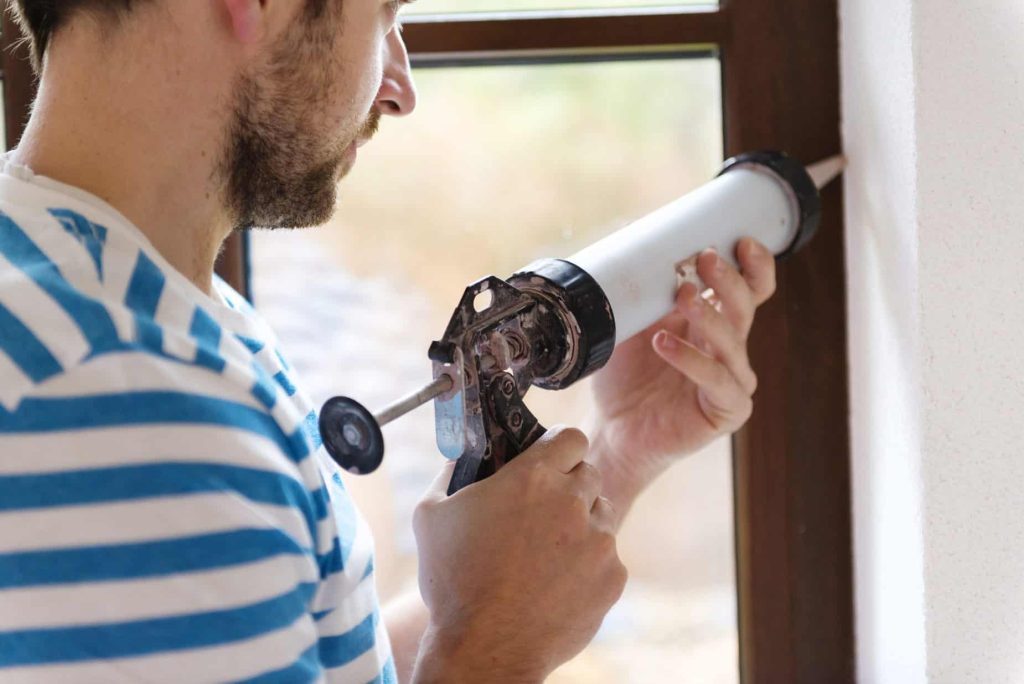
Caulking is a versatile sealant ideal for filling gaps and cracks around windows, doors, and other openings. varied types of caulking are available, each suited for specific applications. Silicone caulking is often preferred for its flexibility and water resistance, ideal for areas exposed to moisture. To apply caulking effectively, clean the area thoroughly. Apply a thin bead of caulking, ensuring a smooth, consistent application. Allow the caulking to cure for the recommended amount of time before touching.
Improving Insulation:
Adding Insulation Around Windows:
Insulating windows and doors is another key element in preventing drafts. Adding extra insulation around windows can reduce the amount of cold air penetrating the house. Consider installing window insulation kits, foam board insulation, or specialized window insulation films for a more thorough approach. These solutions can effectively seal gaps and improve overall thermal performance, contributing to a more comfortable and energy-efficient home environment. Remember to consider the type of insulation that will optimal suit your specific needs and budgetary constraints.
Additional Tips for Complete Draft Prevention
Addressing Gaps and Cracks in Walls:
Addressing gaps and cracks in walls is critical to preventing drafts. Using expanding foam or caulk can help to fill these gaps, preventing drafts from entering the home. Additionally, using weatherstripping to seal gaps around windows and doors is a worthwhile step. This will significantly reduce energy loss and boost comfort by preventing cold air from entering your home, while also preventing warmth from escaping in the winter. Consider addressing any loose siding or gaps that might be present.
In conclusion, sealing gaps for drafts at night is crucial for comfort, energy efficiency, and overall home well-being. This article has explored several effective methods, from simple weatherstripping to more thorough solutions. By implementing these simple fixes, homeowners can significantly reduce drafts, save money on energy bills, and create a more comfortable living environment. For more personalized advice, consider consulting a professional. Take action today and experience the difference!