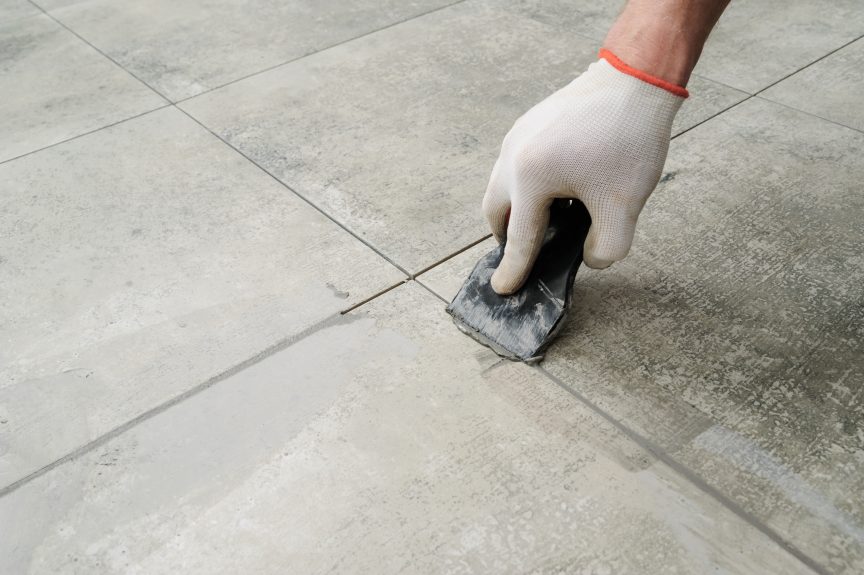
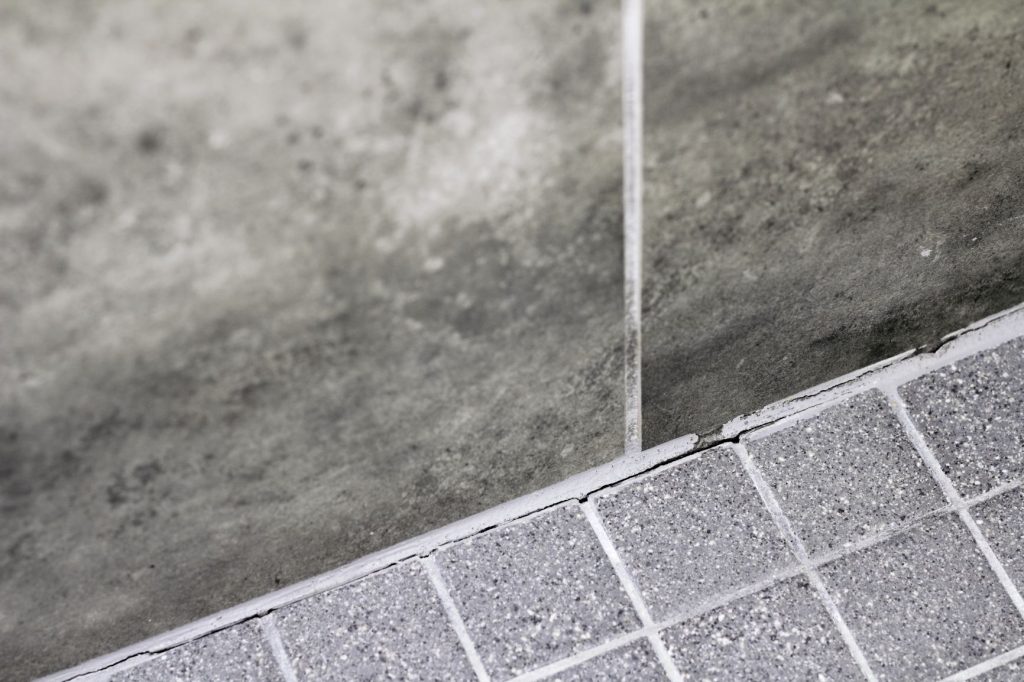
Grout cracking between tiles is a common issue that can mar the aesthetic appeal of any tiled surface. From bathrooms to kitchens, these hairline cracks can appear unsightly and even signal underlying problems. This thorough guide explores the potential reasons for grout cracking between tiles and offers actionable solutions to help you maintain your tile’s beauty and functionality. We’ll delve into improper installation practices, the function of moisture and temperature fluctuations, and the importance of proper maintenance. By the end of this article, you’ll have a solid understanding of the problem and strategies for its effective repair. This guide is structured to walk you through various potential causes and offer actionable solutions for addressing each one.
Improper Installation Practices
Substrate Issues
Poorly prepared or uneven substrates can lead to grout cracking between tiles. A subfloor that is not level, stable, or correctly prepared can transfer stress to the grout, causing cracks. This is a crucial initial step to avoid long-term problems. Many homeowners overlook the crucial importance of proper substrate preparation.
Incorrect Grout selection
Using the wrong type of grout for the specific application can lead to cracking. Certain grout types are designed for specific tile types or moisture conditions, and using the wrong one can lead to issues. Choosing the wrong grout material can significantly impact the longevity of the tile and grout installation.
Inappropriate Grout Mixing
Following the manufacturer’s instructions for mixing and applying grout is essential for a achievementful installation. Improper mixing can outcome in inconsistencies in grout strength and subsequently, grout cracking. These seemingly minor steps are critical in avoiding costly repairs.
Related Post : Shower Water Pressure Suddenly Dropped? Here’s What Might Be Wrong
Moisture and Temperature Fluctuations
Excessive Moisture
High moisture levels in the surrounding environment can cause the grout to expand and contract unevenly, leading to cracking. This is a common issue in bathrooms and kitchens, spaces with high humidity. This can outcome in significant and persistent issues. A lack of proper ventilation or drainage could lead to moisture-related issues.
Temperature Changes
Extreme temperature changes can also contribute to grout cracking. The grout may expand and contract at varied rates than the tiles, creating stress and leading to cracks. This is a significant consideration, especially in regions with significant temperature variations. Monitoring the environment in which tiles are installed is very crucial.
Capillary Action
Capillary action is the ability of a liquid to flow in narrow spaces against the force of gravity. In the context of tiling, water can seep into the grout and the tile substrate by capillary action, leading to expansion and subsequent cracking. This issue requires particular attention.
Maintenance and Neglect
Improper Cleaning Methods
Using abrasive cleaners or scrubbing too vigorously can damage the grout over time, leading to cracks. Excessive cleaning can remove the grout’s protective layer, making it more susceptible to cracking. Use appropriate cleaning methods to prevent this issue.
Neglecting Sealers
Using grout sealers is often overlooked but is an crucial part of preventive maintenance. Grout sealers can help protect the grout from moisture and stains. Ignoring sealant applications over time can lead to issues and boost the risk of cracking.
Lack of Routine Maintenance
Regular inspections of tiled surfaces can help determine potential problems early on. Inspecting grout lines for any signs of cracking or moisture issues can prevent more significant damage from occurring. This includes looking at any signs of discoloration or moisture buildup.
Other Potential Causes
Construction Defects
Poor construction practices or defects in the underlying structure can lead to uneven stress on the tiles and grout, causing cracks. This is a significant cause of grout cracking in homes and buildings.
Unreinforced Areas
Certain areas, like near windows or balconies, can have more stress placed on the tile, possibly leading to cracks. If the construction didn’t anticipate this type of stress, there is greater risk for grout failure.
Expansion Gaps
Grout cracking can sometimes be related to a lack of expansion gaps in areas where expansion and contraction are expected. These gaps are designed to accommodate these changes and prevent stress on the grout. This is an crucial consideration for larger tiled areas.
Solutions for Grout Cracking
Repairing Minor Cracks
For minor cracks, a grout repair kit can be used. These kits typically contain grout, caulking, and other necessary tools to effectively repair the affected area. Following the instructions is essential.
Grout Replacement
For more significant damage, replacing the grout may be necessary. A professional tile contractor can assess the situation and replace the damaged grout to match the existing tile. Professional assistance can significantly reduce the risk of further issues.
Preventing Future Cracking
Proper Maintenance Practices
Implementing good maintenance habits is crucial. Proper cleaning, sealing, and monitoring of moisture levels can significantly reduce the likelihood of future cracks. Proper preventative care is a wise investment.
Using Sealers
Choosing the Right Sealer
selecting appropriate sealers for the specific type of tile and grout is critical. varied sealers offer varied levels of protection. Consider moisture conditions, temperature changes, and the type of tile and grout when choosing a sealer.
Applying the Sealer Correctly
Following manufacturer instructions and applying the sealer uniformly are essential to prevent issues.
Professional Assistance
Consulting a Tile Contractor
When facing extensive grout cracking or unsure of the optimal course of action, consulting with a qualified tile contractor is always recommended. A professional contractor can diagnose the issue, recommend the optimal solution, and ensure the work is done correctly.
determineing Early Warning Signs
Visual Inspection
Regularly inspecting your tiled surfaces for signs of cracking is an crucial part of maintenance. Pay close attention to grout lines and the tile surface itself for any discoloration, moisture buildup, or unusual changes.
Monitoring Moisture Levels
Monitoring moisture levels is crucial in humid environments. Using moisture meters or other tools to verify moisture levels and ensuring adequate ventilation or drainage is key to preventing grout cracking between tiles.
Assessing Underlying Issues
If you suspect issues with the substrate, consider consulting with a professional to assess the underlying structure’s stability and integrity. This is a crucial step to ensure long-term stability.
In conclusion, grout cracking between tiles can stem from various underlying causes, from improper installation to environmental factors. Understanding these potential reasons is crucial to determining the appropriate solution. By meticulously examining the situation, homeowners can address the issue proactively, preventing further damage and preserving the aesthetic appeal of their tiled surfaces. For personalized guidance and expert solutions, contact a qualified tile professional near you. Learn more about tile maintenance by visiting our resources page.