Pipes banging when water turns on is a common plumbing issue that can disrupt daily life and lead to unnecessary stress. This comprehensive guide dives deep into the causes and practical solutions for silencing those bothersome noises. We’ll explore the common reasons behind this issue, such as water hammer, air in the pipes, and improper water pressure, providing clear and actionable steps you can take to effectively quiet your plumbing system. We’ll also discuss preventative maintenance strategies. This article will be structured to help you understand the underlying problems in detail and identify specific solutions. Each section will cover a key aspect of the issue, from understanding the mechanics to taking appropriate actions to resolve the problem.
Understanding Water Hammer and Pipes Banging
What is Water Hammer?
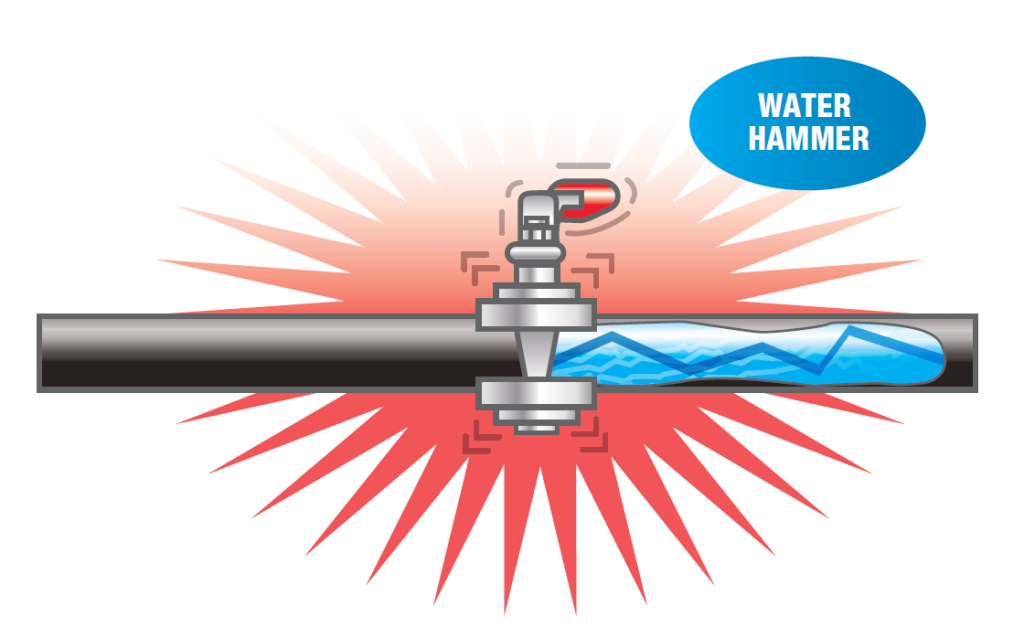
Water hammer, a common cause of banging pipes, occurs when water flowing through pipes abruptly changes velocity or stops. This rapid change creates a pressure wave that travels through the pipes, causing a noticeable hammering sound. This phenomenon is particularly problematic in older homes, where the plumbing system may be less rigid or have inadequate expansion joints. Common in older pipes and homes, this problem can be easily fixed through preventative measures, such as installing special devices. This section will detail the common causes and solutions in a way easy to understand.
Recognizing the Signs of Water Hammer
Identifying the signs of water hammer is the first step to tackling the issue. The sound of banging pipes, often described as a hammering or thumping noise, is a common indicator. This noise is usually more pronounced when turning on or off faucets, or when using appliances that consume large volumes of water, like washing machines. Pay close attention to the location of the noise and the timing of its occurrence, as this helps to pinpoint the source of the problem.
How Water Pressure Affects Pipes
Water pressure plays a critical role in preventing banging pipes. High or inconsistent water pressure can cause water hammer, whereas a low water pressure can result in water hammer-like sounds, but more sporadically. Maintaining consistent pressure is crucial in preventing the banging sound. A fluctuating water pressure, due to a variety of factors, can significantly increase your chances of experiencing banging pipes, particularly in homes with older or poorly maintained pipes.
Related Post : Water Pressure Suddenly Dropping? Common Plumbing Issues to Check
Air in the Pipes and Banging Pipes
How Air Enters Pipes and Causes Noise
Air pockets can accumulate inside pipes due to air entrapment during water system use. This trapped air expands or compresses when water flows, causing knocking or banging noises. The problem is further exasperated when water flow is significant or is stopped suddenly. This leads to an uneven flow in the pipes. Older pipes with less-effective insulation are prone to this problem, as well as pipes that aren’t well maintained. These trapped air pockets are a common culprit behind the banging noises.
Diagnosing Air in Pipes
Identifying air in pipes typically involves paying attention to the timing and location of the banging sounds. The noise often occurs at the beginning or end of a water flow cycle, such as when a faucet is turned on or off. Additionally, the banging sound might be more noticeable in certain areas of the house that are farther from the water source, due to air pressure differences.
Potential Solutions for Air-Related Issues
Eliminating trapped air can be achieved using several methods. A simple approach involves running hot and cold water at the same time, helping to displace trapped air and improve water flow. For more complex cases, installing an air vent valve or a vacuum breaker can be a necessary step in preventing the issue from recurring.
Loose Connections and Their Impact on Water Hammer
Identifying and Addressing Loose Connections
Loose connections in the plumbing system can be a key contributor to banging pipes. These connections may be loose due to corrosion, vibration, or improper installation. A quick visual inspection can identify potential loose connections that may need tightening.
How Loose Connections Cause Banging Noises
Loose connections interrupt the smooth flow of water. When water pressure changes, these connections can shift or vibrate, creating a banging or knocking sound that is directly linked to the loose connection. This disruption of water flow creates pressure changes and results in a banging noise that is often concentrated at the affected areas.
Repairing and Strengthening Connections
To resolve this problem, tightening loose connections should be the first step in preventing the issue from recurring. Tools such as adjustable wrenches and pipe wrenches can be used to tighten connections. If necessary, replacing corroded or damaged connections with new ones is also an important preventive measure in the long term.
Water Pressure Adjustment and Noise Reduction
Evaluating Existing Water Pressure
Water pressure fluctuations can trigger banging noises in your plumbing system. Often, improper pressure is the leading cause. A pressure gauge can accurately measure the water pressure.
Implementing Water Pressure Regulation
Adjusting water pressure levels is essential to control the banging sound. Pressure-reducing valves (PRVs) are critical pieces of equipment in older homes that experience inconsistent water pressure. These valves can reduce fluctuations and minimize the disruptive banging noises associated with pressure changes.
Exploring Alternative Pressure Control Methods
Consider exploring alternative water pressure control methods for further noise reduction if pressure-reducing valves are not an option. These methods might involve a combination of solutions, or adjusting other fixtures. A licensed plumber can provide valuable insights into the most effective approach in your specific case.
Preventative Maintenance and Long-Term Solutions
Regular Plumbing System Checkups
Regular checks of your plumbing system can help in preventing major problems. This includes checking for leaks, corrosion, and loose connections. Regular maintenance can help to avoid the banging pipe noises from returning.
Implementing Proper Pipe Insulation
Insulating pipes can be a significant help to prevent water pipes from experiencing significant temperature changes, minimizing banging and potential problems. Insulation can be used in both external and internal scenarios.
Utilizing Expansion Tanks
Expansion tanks can help stabilize water pressure by absorbing fluctuations and preventing banging. In older systems or high-pressure homes, it’s often necessary to install an expansion tank to address issues with the plumbing system.
Pipes banging when water turns on can be a frustrating plumbing issue, but understanding the causes and implementing the right solutions can bring relief. By identifying the root cause, whether it’s a loose connection, air in the pipes, or improper water pressure, you can effectively silence those banging sounds and improve your home’s plumbing system. Remember that preventative measures, such as regular maintenance, can also be crucial in preventing future issues. Don’t hesitate to contact a professional plumber if the problem persists or if you’re unsure about the best course of action. This comprehensive guide provides the knowledge and steps to address this common plumbing problem, restoring quiet and efficiency to your home’s water system.