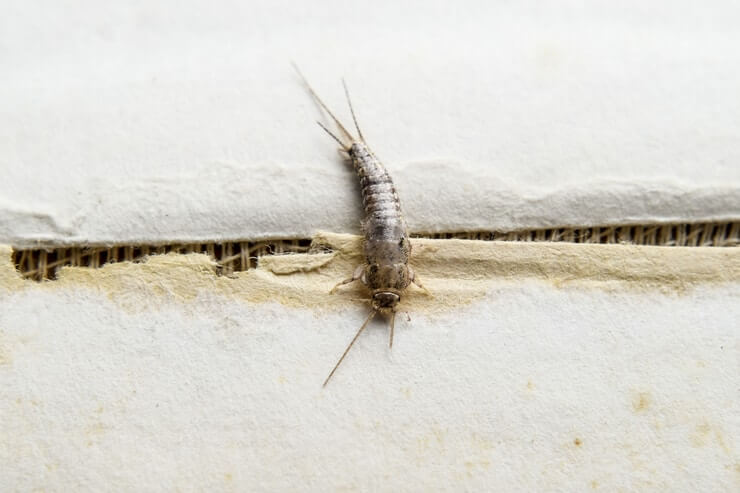
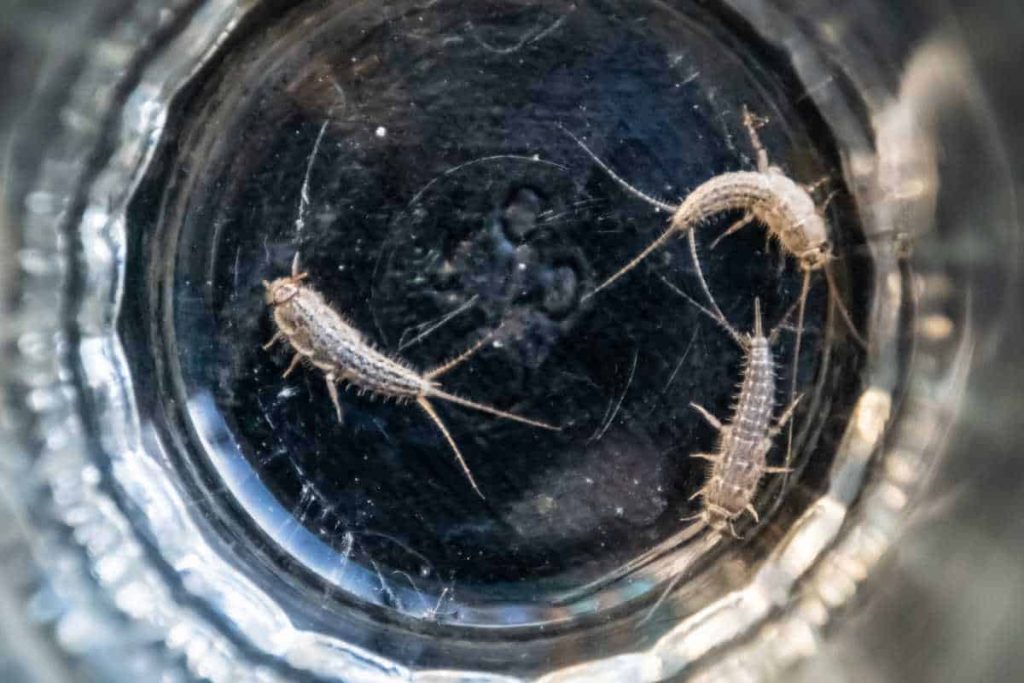
Silverfish found in bathroom drawers often indicate a hidden moisture problem lurking in your home. These tiny pests are attracted to damp environments, making bathrooms a prime target. Understanding the root cause and employing effective moisture control strategies are key to permanently eliminating silverfish. This comprehensive guide will provide practical solutions, step-by-step instructions, and preventative measures to resolve your silverfish issue and create a pest-free home. We will delve into the reasons behind these infestations, explore effective moisture control techniques, and offer practical solutions to keep your home protected from these unwanted guests. Our article structure will cover the initial steps of detection, followed by strategies for moisture management and pest control solutions tailored to bathroom settings.
Identifying the Problem: Why are Silverfish in My Bathroom Drawers?
Silverfish infestations in bathroom drawers are frequently linked to moisture. These tiny insects thrive in damp, humid environments, making bathrooms a perfect breeding ground. A slow leak in a pipe, a leaky faucet, or even condensation on windows can create ideal conditions for them to flourish. They are also drawn to decaying organic matter, food particles, and adhesives, which might be present in drawers. Understanding the potential causes is essential to developing an effective solution.
Common Causes of Silverfish Infestations in Bathrooms
- Leaks: A leaky faucet, pipe, or even a slow leak in a shower or bathtub can cause excessive moisture.
- Poor Ventilation: Insufficient ventilation in bathrooms can lead to high humidity, providing an ideal environment for silverfish to thrive.
- Condensation: Condensation on windows or mirrors can also contribute to high moisture levels.
- Decaying Organic Matter: Food residue, decaying plant matter, or even old paper products in drawers can attract silverfish.
- Moisture from Laundry: If laundry is not properly ventilated or dried thoroughly, moisture can linger, creating an environment where silverfish can thrive.
Moisture Control Strategies for Bathrooms
Related Post : Ants Invading Kitchen Counters? How to Eliminate Entry Points Fast
Addressing the moisture issue is paramount to eliminating silverfish from your bathroom. Implementing effective moisture control measures will significantly reduce the pests’ environment. This will be more effective than solely focusing on eliminating the silverfish.
Leak Detection and Repair
- Regular Inspections: Regularly inspect plumbing fixtures, especially faucets and showerheads, for any signs of leaks.
- Moisture Meter: Use a moisture meter to check areas prone to moisture buildup, like walls and flooring.
- Professional Help: If you suspect significant leaks or moisture damage, contact a qualified plumber to repair the issue.
Enhancing Ventilation
- Exhaust Fans: Install or ensure that your bathroom exhaust fan is working correctly to effectively remove moisture.
- Proper Ventilation: Open windows for a short time after showering or bathing to improve ventilation and reduce humidity levels.
- Dehumidifiers: A dehumidifier can be an effective tool to control high humidity levels and further dry out the bathroom’s environment.
Controlling the Silverfish Directly
Once you have addressed the moisture issue, you can begin directly controlling the silverfish population.
Effective Pest Control Methods
- Vacuuming: Regularly vacuum drawers and other areas where silverfish are seen, removing any food particles or debris that might attract them.
- Cleaning: Clean and disinfect all surfaces, including countertops, sinks, and floors to eliminate food sources and potential hiding spots.
- Traps: Use specialized insect traps to target silverfish populations directly.
- Professional Help: In cases of severe infestation, consider calling in a professional pest control service to help eradicate silverfish completely. They have specialized techniques and products not commonly accessible to the average homeowner.
Preventative Measures for Future Infestations
Proactive measures are key to preventing future infestations.
Maintaining a Dry Environment
- Thorough Drying: Ensure thorough drying of laundry before placing it in drawers or cabinets.
- Air Circulation: Encourage air circulation to minimize moisture buildup.
- Regular Cleaning: Maintain a regular cleaning routine to remove food sources and moisture.
Storage Solutions
- Sealed Containers: Store food items in airtight containers to prevent attracting silverfish.
- Proper Storage: Store cardboard boxes and other items susceptible to moisture damage in dry areas.
Case Study: Sarah’s Bathroom Silverfish
Sarah experienced a silverfish infestation in her bathroom drawers. She initially noticed the insects in her bathroom drawers, and she did not initially recognize the silverfish. She investigated and found a minor leak in the bathroom’s pipe, causing a gradual build-up of moisture. By addressing the leak and improving the ventilation, Sarah was able to eliminate the silverfish completely without any further problems. This demonstrates the importance of addressing both the pest and the root cause of the moisture issue.
Additional Tips for Effective Moisture Control
Implement these additional tips for comprehensive moisture management.
Maintaining Air Circulation
- Open Windows: Regularly open windows to allow fresh air to circulate within the room and reduce moisture buildup.
- Dehumidifiers: If necessary, use a dehumidifier to help maintain a lower relative humidity in the bathroom.
Effective Cleaning Techniques
Maintain a stringent cleaning routine in affected areas.
Deep Cleaning Procedures
- Regular Cleaning: Implement a regular cleaning routine that addresses all surfaces and crevices in the bathroom.
- Disinfectant Cleaning: Use a disinfectant to thoroughly clean surfaces and eliminate any potential food sources for silverfish.
Different Types of Silverfish
Understanding the differences between types of silverfish is important to ensure effective treatment.
Identifying Silverfish Varieties
- Common Silverfish: These are the most common types of silverfish found in homes.
- Other Types: Learn to identify other types of silverfish to ensure the effectiveness of any treatment plans.
Importance of Integrated Pest Management (IPM)
Employing an integrated approach for pest control is essential.
IPM Principles
- Prevention: Prevention is key to avoiding infestations in the first place.
- Control: Control measures should address both the silverfish and the moisture source.
In conclusion, dealing with silverfish infestations in bathroom drawers requires a multi-pronged approach targeting both the moisture source and the silverfish themselves. Regularly checking for leaks, using moisture-absorbing products, and implementing thorough cleaning routines are crucial steps. By understanding these tactics, you can effectively eliminate these pests and maintain a healthy, hygienic environment in your home. Ready to tackle your silverfish problem? Visit our comprehensive guide for detailed procedures and preventative measures!