
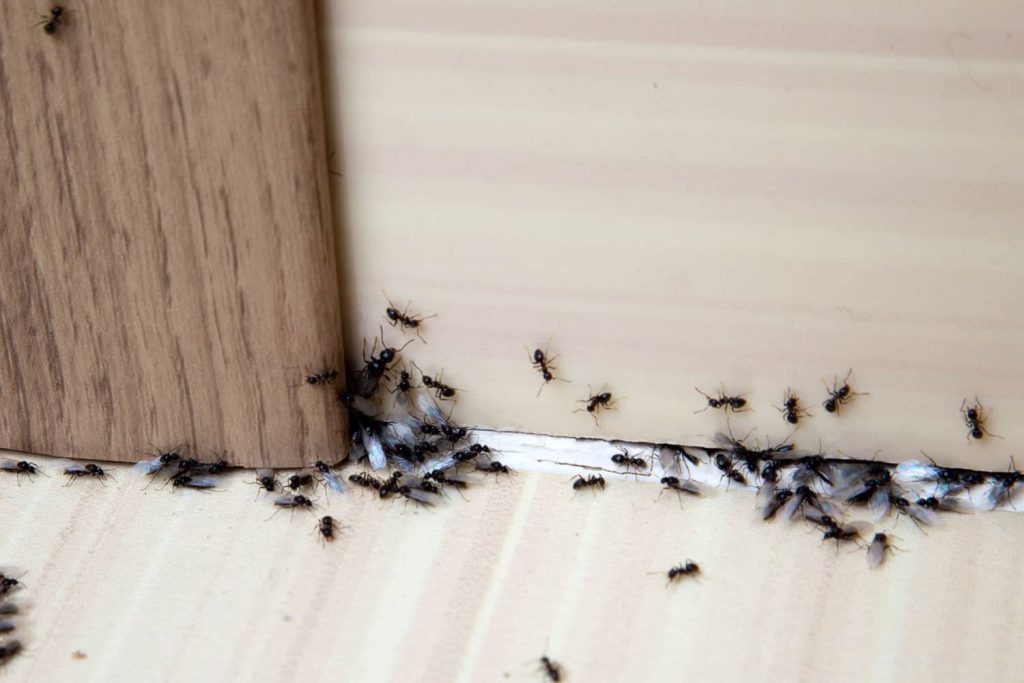
Ants invading kitchen counters are a common household nuisance, disrupting mealtimes and potentially carrying harmful bacteria. Understanding why ants are entering your kitchen and swiftly sealing entry points is critical for a successful ant extermination strategy. This guide dives into the specifics of how to eliminate ant entry points quickly, providing practical steps and insights to help you reclaim your kitchen counter from unwanted guests.
Understanding the Ant Problem
Identifying Common Ant Species
Numerous ant species are attracted to kitchens, each with varying behaviors and preferences. Carpenter ants, for example, are often attracted to moisture, while odorous house ants frequently enter through cracks and crevices. Identifying the specific ant species is crucial in developing a targeted elimination strategy.
Why Ants Target Kitchens
Kitchens, with their abundance of food sources—crumbs, spills, and sugary leftovers—are a prime attraction for ants. A simple crumb or a forgotten drop of syrup can draw an entire colony to your counter. Moisture also plays a key role. Leaking pipes, damp areas, and poorly maintained areas often draw ants in search of water.
What are the signs of an Ant Infestation
Recognizing the warning signs of an ant infestation, such as trails, discarded wings, and visible nests, enables timely intervention to prevent further issues. A sudden rise in ant activity around counters is a strong indicator that they’re actively searching for resources.
Identifying Entry Points
Inspecting Your Kitchen
A thorough inspection of your kitchen is the first step to eliminating ant entry points. Carefully examine every nook and cranny, paying particular attention to cracks in walls, gaps around pipes, under appliances, and behind cabinets. Even tiny gaps or openings are enough to allow ants to infiltrate your kitchen.
Analyzing Ant Trails
Observe ant trails diligently. These trails, often a single file, show the path ants take. Tracing these paths directly to their origin helps identify the main entry points, giving you a precise view of the problem areas.
Sealing Gaps and Cracks
Seal any cracks and crevices that have been identified. Use caulk, weather stripping, or expanding foam to seal the openings that ants are using to enter. This is a critical step for effective ant control.
Addressing Moisture Issues
Ants are attracted to moisture. Address leaks promptly, ensuring all damp areas are dried completely, and maintaining good ventilation throughout the kitchen to deter moisture accumulation.
Effective Exclusion Strategies
Preventing Food Attractants
Preventing food attractants is a simple, yet important, step in ant control. Always clean up spills immediately, store food in airtight containers, and regularly tidy your counters. Wipe down surfaces with a disinfectant after meal preparation. This will help prevent ants from finding food sources.
Maintaining Kitchen Hygiene
Maintaining good kitchen hygiene is crucial to ant prevention. Regularly clean your kitchen and keep floors, counters, and appliances tidy. This includes removing any crumbs or food particles that may be left behind. Keeping a clean kitchen reduces the chances of attracting ants in the first place.
Using Ant Baits Strategically
Employing ant baits strategically can help in eliminating ant colonies. Place bait stations in areas where ant activity is high. This targeted approach allows the ants to carry the bait back to the colony, ultimately eliminating the entire colony. Choose bait stations specific to ant species, if possible.
Using Boric Acid
Boric acid is a commonly used method for ant control. It’s a natural insecticide that can eliminate ants, although use with caution, as it can be harmful to pets and children if mishandled.
Professional Pest Control Services
When Professional Help is Needed
For large-scale infestations or persistent problems, professional pest control services may be necessary. Professional pest control technicians have the expertise and tools to identify the specific ant species and implement targeted solutions. This approach can effectively deal with the situation quickly and efficiently.
Consulting Pest Control Experts
Consult with pest control experts for specific recommendations based on your unique situation. They can assess the infestation and advise on the most effective course of action, including the right type of bait and treatment strategies.
Long-Term Prevention Solutions
Professional pest control services can offer long-term solutions for ant prevention, such as identifying and sealing entry points. This includes inspecting your kitchen for potential problems, as well as identifying and addressing potential moisture issues or other environmental factors that might attract ants.
Monitoring and Maintenance
Regular Inspections
Regular inspections of your kitchen are essential to prevent future ant infestations. Checking for signs of ants, such as trails or nests, and addressing any issues immediately can be a crucial part of maintaining a pest-free environment.
Routine Cleaning and Tidy up
Maintaining a clean and tidy kitchen is a significant part of ant prevention. Regular cleaning routines, keeping food stored correctly, and ensuring adequate ventilation can reduce the chances of attracting ants in the first place.
Identifying and Addressing Recurring Problems
If you see recurring problems with ants, identify and address the root cause. Whether it’s a leak, a food source, or an easy access point, correcting the issue will dramatically improve the effectiveness of your prevention strategies.
In summary, ants invading your kitchen counters are a common household pest issue. Understanding their entry points and employing effective exclusion strategies is crucial for long-term control. By sealing gaps, addressing moisture problems, and strategically using ant baits, you can reclaim your kitchen and deter future invasions. To eliminate the ants quickly and prevent future problems, consider professional pest control services if needed. They can offer targeted solutions to address specific ant infestation issues.