Outdoor lighting flickering at night can be a frustrating and sometimes even hazardous issue. It can disrupt your nighttime enjoyment and may indicate underlying electrical problems. This article delves into the common electrical problems behind flickering outdoor lights and provides practical solutions to troubleshoot and resolve these issues.
Understanding the nuances of outdoor lighting flickering is crucial for effectively tackling this issue. Understanding the various electrical components involved is essential for pinpointing the cause of the flickering, from the lights themselves to the wiring that connects them to the power source. Often overlooked is the importance of regular maintenance to ensure continuous lighting. For instance, loose connections can lead to unpredictable power flow. Regularly checking and tightening these connections can be a simple preventive measure. An understanding of different voltage fluctuations, both from the electrical grid and from the equipment itself, is critical for identifying the source of the problem, which may lead to effective solutions.
Voltage Fluctuations and Their Impact on Outdoor Lights
Voltage Drop and Outdoor Lighting
Voltage fluctuations are a common culprit behind outdoor lighting issues. Voltage drops can occur due to numerous reasons, like faulty wiring or overloaded circuits. These fluctuations can significantly affect the performance of outdoor lighting fixtures. These issues can cause the light output to dim or flicker erratically. If the voltage fluctuates too much, you may experience complete outages or other electrical issues. In some cases, voltage fluctuations might be caused by a faulty transformer or the grid itself. Such fluctuations, even minor ones, can lead to significant problems for outdoor lighting systems. Properly assessing and addressing these voltage problems can ensure consistent light performance.
Identifying Voltage Fluctuation Issues
Observing how outdoor lighting behaves under different conditions can help identify voltage fluctuation issues. For example, noticing that lights flicker more intensely during peak hours or when other appliances are in use could suggest an overloaded circuit. Pay attention to the lights’ behavior during periods of high demand, or after a power outage. Detailed analysis of the pattern and timing of the flickering can be valuable in diagnosing the issue.
Related Post : Patio Furniture Rusting Quickly? Best Ways to Protect Outdoor Materials
Faulty Wiring and Connections
Inspecting Wiring for Damage
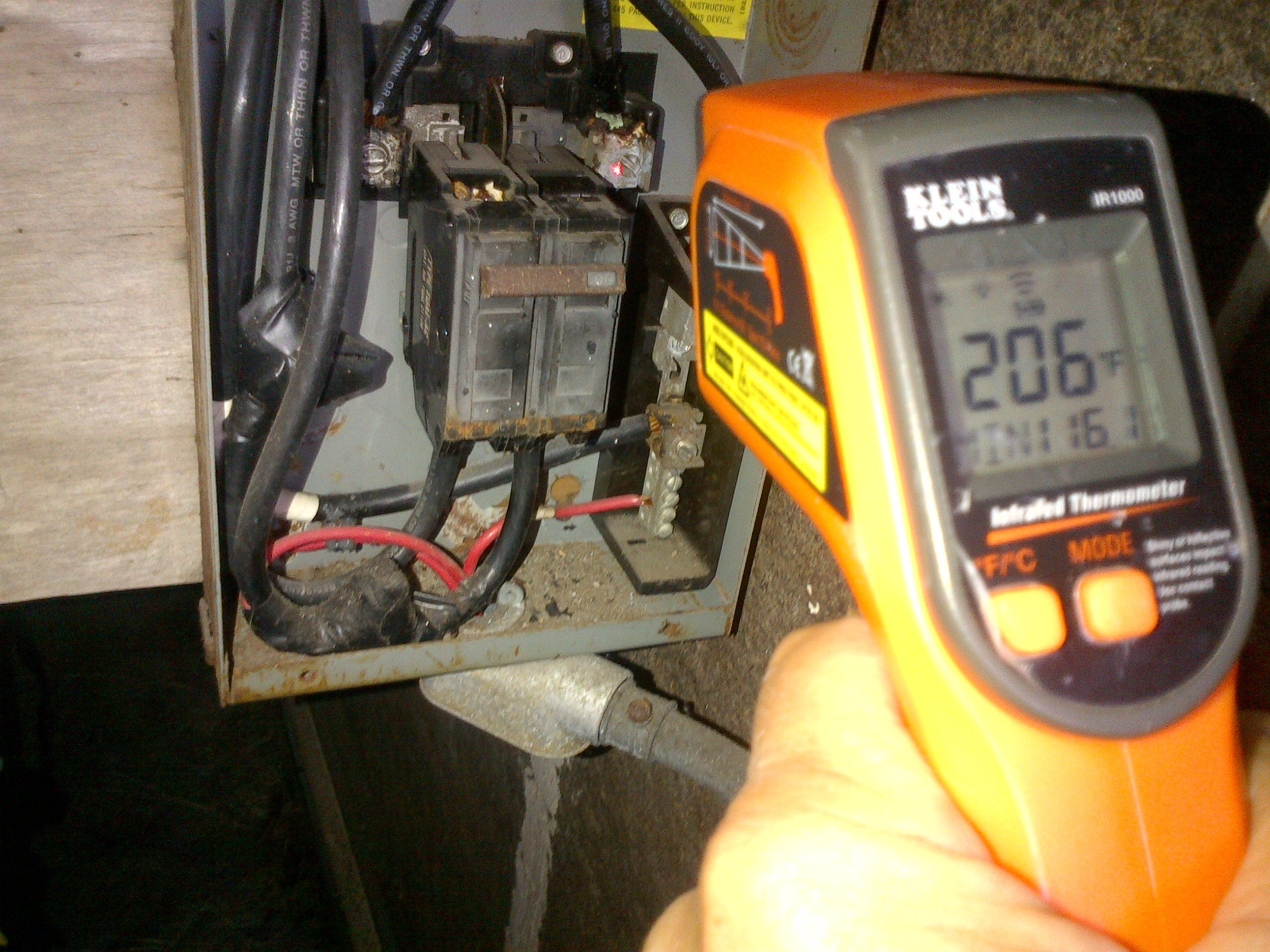
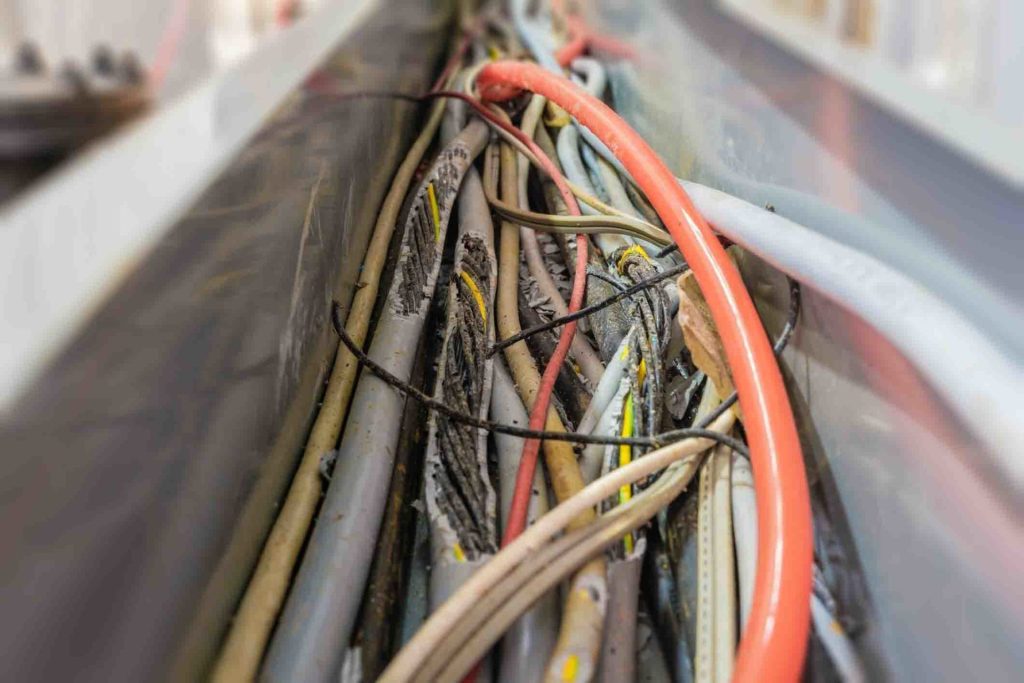
Damaged wiring is another common cause of flickering lights. Over time, outdoor wiring can experience degradation due to exposure to the elements, such as moisture, extreme temperatures, and physical stress. Pay close attention to any exposed wires, signs of fraying, or breaks in the insulation. Identifying these issues early can prevent more serious problems. This includes inspecting connections where wiring meets fixtures and any junction boxes. Inspecting the outdoor wiring for damages is crucial to maintaining safe and reliable lighting.
Circuit Breaker Issues
Overloaded Circuits
Overloaded circuits can also lead to flickering outdoor lights. When too many devices are connected to a single circuit, the circuit breaker might trip to prevent a fire hazard. If outdoor lighting fixtures or other devices draw too much power for a circuit to handle safely, the lights may flicker, causing damage. This is a crucial point that needs attention. Recognizing these scenarios is critical for proactive maintenance and preventing future problems.
Tripped Circuit Breakers
A tripped circuit breaker is an immediate sign of an overloaded or problematic circuit. Resetting the breaker might temporarily resolve the issue, but the underlying problem must be addressed. If the breaker keeps tripping, there’s a larger issue with the circuit that should be addressed by a qualified electrician.
Fixture Issues
Inspecting Fixtures for Defects
Faulty fixtures or components within the fixture itself can also cause flickering outdoor lights. Over time, capacitors and other internal components might malfunction, leading to erratic light output. This can lead to reduced efficiency and a flickering or intermittent glow. Careful inspection of the fixtures can help identify potential problems. Checking for loose connections within the fixture, like among the wires and components, is essential to preventing long-term damage and maintaining reliable functionality.
Maintenance and Preventive Measures
Regular Inspections
Regular inspections of outdoor lighting systems are a crucial preventative step. Routine checks can identify potential issues before they escalate into significant problems. Checking connections, ensuring proper grounding, and maintaining adequate voltage levels are key preventative measures. Proper maintenance of the electrical systems can help prolong the lifespan of the outdoor lighting.
Using GFCI protection for outdoor fixtures is a proactive step to improve safety. Using GFCI’s is recommended to prevent shock hazards. GFCI’s are cost-effective and a wise investment.
Choosing the right outdoor fixtures
The specific type of outdoor fixtures you choose can also play a role in preventing flickering. Lighting fixtures built with quality materials and components are generally more resistant to problems than those constructed with lesser components. This choice is critical to the long-term health of your outdoor lighting system.
Professional Consultation
Hiring Qualified Electricians
In complex cases of flickering lights, consulting a licensed electrician is highly recommended. They have the expertise to diagnose the underlying cause and recommend appropriate solutions, ensuring the safety and reliability of your electrical system. A qualified electrician can provide effective troubleshooting and accurate diagnosis for optimal solutions.
Assessing Fixture Quality
Comparing Outdoor Fixture Quality
Choosing fixtures with high-quality components and robust construction is crucial in ensuring reliability. Reliable fixtures are less susceptible to component failure, reducing the chances of flickering. Considering this aspect of lighting fixture quality is crucial to the long-term success of the system.
In conclusion, flickering outdoor lights often stem from underlying electrical issues. By identifying the root cause, homeowners can resolve flickering issues and enjoy their well-lit outdoor spaces. If you’re experiencing flickering outdoor lighting, consider consulting a qualified electrician for a thorough inspection and professional repair. This proactive approach will ensure the safety and longevity of your electrical systems while preventing potential hazards and enjoying hassle-free, steady outdoor lighting.