Wall anchors pulling out is a common problem, often leading to costly damage and safety concerns. Imagine a heavy bookshelf tumbling down or a prized artwork shattering—it’s a disaster waiting to happen! Proper installation is key to preventing such incidents. This thorough guide will delve into the crucial steps for selecting and using wall anchors correctly to secure heavy items, ensuring your home is safe and your belongings remain intact. We’ll discuss various types of wall anchors, determine potential problems, and offer expert advice to help you confidently fasten heavy items to walls. We’ll cover the importance of using the right anchor type, proper installation techniques, and vital safety precautions. This guide includes step-by-step instructions and crucial considerations for preventing wall anchors from pulling out.
Understanding Wall Anchor Types and Load Capacity
varied Anchor Types
Wall anchors come in diverse types, each designed for specific applications and wall materials. Knowing the varied anchor types available allows you to select the appropriate anchor for the weight you want to support. Understanding the differences is crucial for preventing issues such as wall anchors pulling out. Common types include:
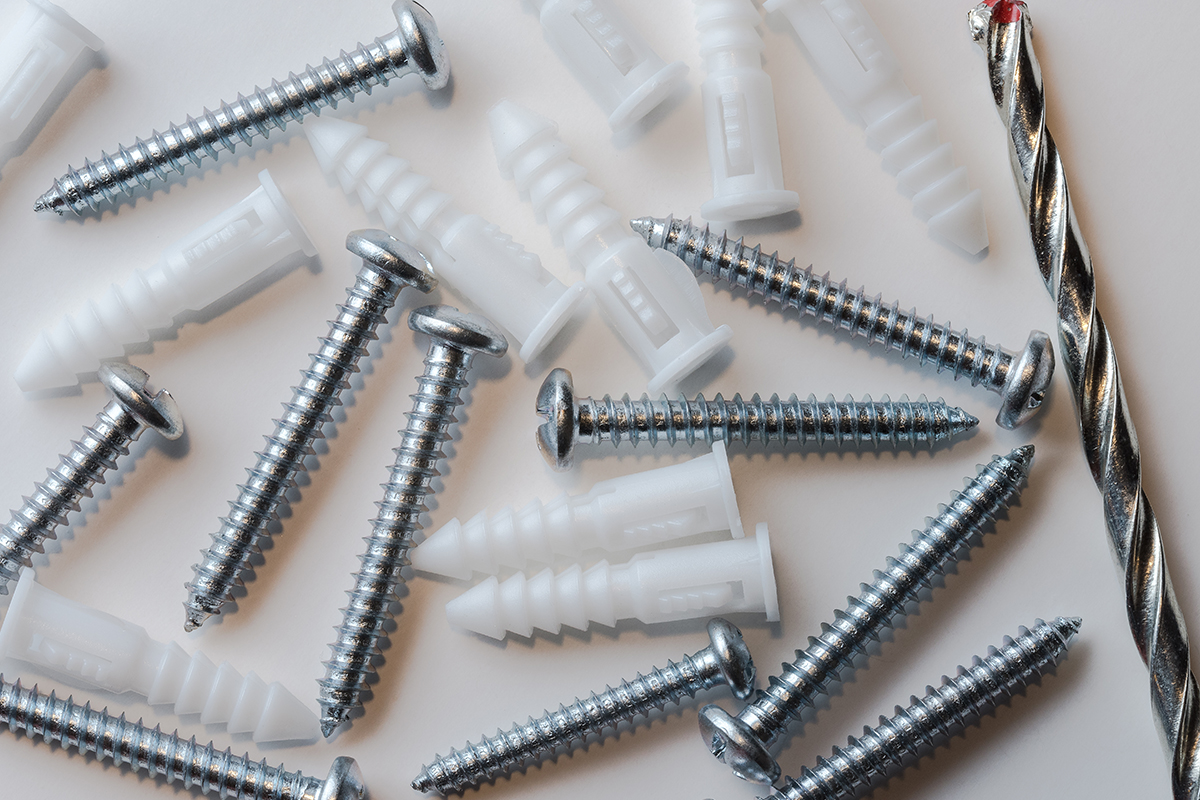
- Expansion anchors: These anchors expand when driven into the wall, increasing surface contact for improved holding power. They’re great for light to medium-weight items, and generally work well on drywall, wood, or light concrete.
- Screw anchors: These anchors create strong friction against the wall, offering high holding power for medium to heavy objects. They’re often used for heavier items.
- Toggle bolts: Toggle bolts are suitable for fastening objects to studs or hollow areas. They work very well for securing heavy objects such as TVs or heavy shelves, but they require careful installation to ensure proper fastening.
- Chemical anchors: Chemical anchors use a resin or adhesive material to create a bond between the anchor and the wall material. They offer high load-bearing capacity, but require special handling.
Choosing the Right Anchor
It’s essential to consider the weight of the item and the material of the wall when selecting the appropriate anchor. For instance, a heavy TV may require a chemical anchor, whereas a picture frame might only need an expansion anchor. Improper anchor selection can lead to issues such as wall anchors pulling out. Always consult the manufacturer’s specifications for the recommended weight capacity of each anchor type.
determineing Potential Problems and Causes
Common Causes of Failure
Several factors can contribute to wall anchors pulling out, including improper installation techniques, inadequate anchor selection, and insufficient wall support. Poor quality anchors can also contribute to issues. determineing potential problems is the first step towards effective solutions. Common causes of wall anchors pulling out include:
- Using the wrong anchor type: Using an anchor not designed for the weight or wall material.
- Insufficient wall support: If the wall has weak points or is not properly prepared.
- Incorrect installation: Following incorrect procedures during installation.
- Improper pre-drilling: Not preparing the hole appropriately for the anchor.
- Poor anchor quality: Using substandard wall anchors will likely compromise strength.
Securing Heavy Items Correctly
Step-by-Step Installation
Before installing any wall anchors, measure the distance between the mounting spot and the wall to properly locate studs or support beams if possible. This step ensures that the wall has sufficient support to withstand the weight of the item. Ensure that the wall can effectively support the weight of the item before installing the anchors. Afterward, measure the location using a level, and mark the spot accurately. Ensure a clear and consistent installation process for all heavy items. Pre-drilling is key to precise mounting. A pilot hole must be prepared before installing any wall anchor to ensure a secure fit. Following the anchor manufacturer’s instructions is crucial for optimal outcomes.
Using Reinforcements
Consider using reinforcements to help secure heavy items or those with added weight. This might include reinforcing the wall material with additional support to ensure that the wall can support the additional weight. If the wall material isn’t suitable, ensure that adequate support is placed behind the wall anchors to reinforce their support.
Additional Tips
Consider using a stud finder or checking the wall structure before drilling. Always follow the instructions offerd by the anchor manufacturer. Avoid using the same wall anchor for items of differing weights to prevent the possibility of wall anchors pulling out.
Choosing the Right Wall Anchor for Your Needs
Evaluating Load Capacity
Thoroughly assess the item’s weight and the wall’s ability to support it. This assessment involves understanding the weight of the item and checking the integrity of the wall structure to support the weight. Use the weight of the item as a guide for choosing the right anchor. Consider using a variety of anchors to accommodate varied weights and types of items. select the most appropriate anchor for the particular weight and material to prevent future problems.
Maintaining the Integrity of Your Walls
Regular Inspections
Periodically inspect the walls to ensure that wall anchors are in good condition. Regularly check all installed wall anchors for signs of damage or wear, or any movement in the anchoring points. This step should include examining if the anchor is pulling out or showing signs of weakening.
Addressing Any Damage
If you detect damage or notice any signs of wear or movement in the anchoring points, promptly address the issue. Consider replacing the anchors or taking other necessary measures to ensure the walls’ integrity and prevent any accidents.
In conclusion, ensuring heavy items are securely fastened using appropriate wall anchors is crucial for safety and preventing accidents. Proper anchor selection, installation, and the use of reinforced materials are vital steps in preventing wall anchors from pulling out. By following these instructions, you can guarantee the longevity and stability of your belongings. For more in-depth advice or if you’re still uncertain, consult a qualified professional for personalized support and to determine the optimal solution for your specific needs and wall type. Learn more about selecting the right wall anchors and techniques to secure heavy items by visiting our website!