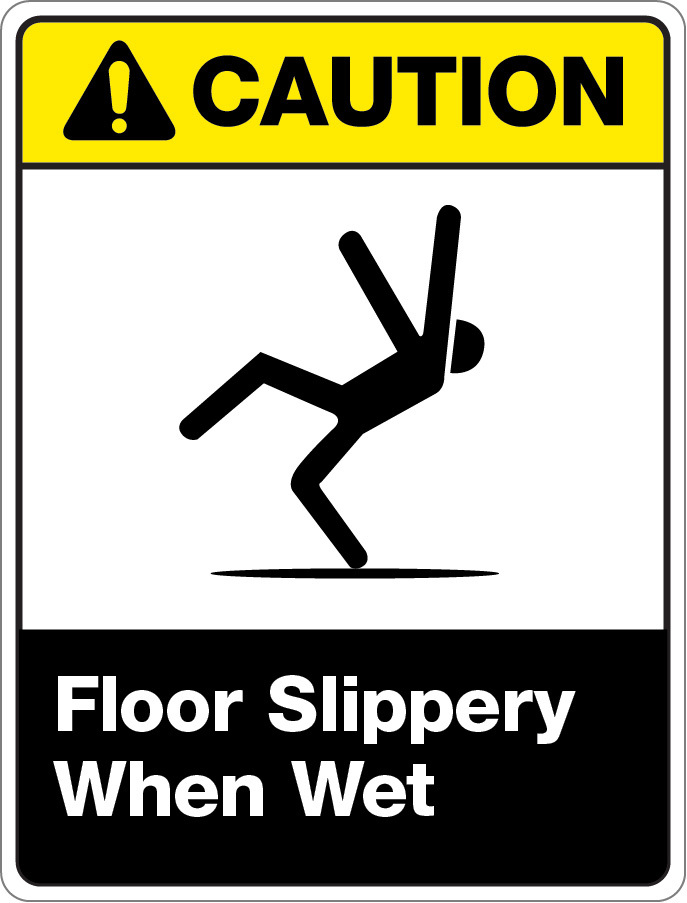
Understanding how surfaces become slippery when wet is crucial for preventing accidents. Wet surfaces can transform seemingly ordinary environments into potential hazard zones, leaving you vulnerable to slips, trips, and falls. This article delves into the science behind slipperiness and provides practical solutions for creating a safer environment, whether at home or in the workplace. Common causes of slips and falls on wet surfaces will be explored, focusing on prevention and solutions. This guide will present a detailed breakdown of the causes, including a section on how to identify and mitigate risks, followed by concrete examples and actionable steps. We will also discuss the importance of proper maintenance, the best footwear choices, and proactive safety measures.
Understanding the Physics of Slipperiness
The Science Behind Wet Surface Hazards
Numerous factors influence how quickly a surface becomes slippery when wet. The nature of the surface material is a key component. Highly polished or smooth surfaces, such as glazed tiles, create less friction than rough, porous surfaces. This difference in texture significantly impacts the likelihood of a slip. The nature of the liquid itself also plays a crucial role; water, for instance, can create a very thin film that significantly reduces friction. The presence of other substances, like dirt, oil, or grease can further exacerbate the slipperiness by reducing surface contact and making the surface highly slick. The duration of the exposure to water is also relevant. The longer a surface is exposed to moisture, the greater the risk of becoming slippery. Analyzing these factors is essential to proactively addressing and mitigating the risk of slips and falls.
The Impact of External Factors on Slipperiness
External factors can also drastically affect how slippery a surface becomes when wet. Temperature is a critical element to consider. In colder climates, ice buildup can significantly decrease the frictional coefficient of a surface, making it exceptionally hazardous. Additionally, the presence of debris, such as loose leaves or small objects, can act as trip hazards, making it easier to fall on a wet surface. These extraneous factors can significantly heighten the danger of slipping, and identifying and controlling these factors is crucial for achieving and maintaining a safe environment.
Identifying Common Slip Hazards
Related Post : Deck Boards Warping After Rain? How to Prevent and Repair Damage
Common Slip-and-Fall Scenarios in Residential Environments
Common slip hazards in residential environments include wet floors after bathing, spills in the kitchen or bathroom, and even condensation on shower doors and tiles. Prompt and efficient drying, combined with the proper placement of slip-resistant rugs or mats, can help significantly reduce the risk in these situations. Another factor is age and mobility-related issues. Reduced ability to react quickly to sudden shifts in balance is a significant concern that homeowners should address by strategically implementing preventative measures, such as installing grab bars or non-slip surfaces in areas like bathrooms and hallways. Preventing slip-and-fall accidents in older adults requires meticulous planning and attention to the minutest details.
Preventing Slip and Fall Accidents
Effective Strategies for a Safer Environment
Implementing effective strategies for a safer environment involves a multi-pronged approach. It is crucial to address the underlying cause of slipperiness proactively. Regular floor maintenance, including addressing any damage or deterioration, is essential to maintaining a safe environment. Using slip-resistant floor treatments, like waxes or coatings, can increase friction and prevent accidents. The use of textured flooring materials, such as carpets or rugs, can significantly reduce the risk of slips and falls by increasing friction. Education is key—instructing people on the potential hazards of wet surfaces is crucial. Proactive measures are extremely effective in reducing accidents and keeping everyone safe.
Choosing the Right Footwear
Footwear as a Safety Factor in Wet Conditions
Proper footwear is crucial in reducing the likelihood of slips. In wet environments, choosing footwear with good traction is essential. Items with substantial outsoles, aggressive tread patterns, and a good grip are crucial. In wet conditions, avoid wearing smooth-soled shoes that offer limited traction on slippery surfaces. This simple practice can have a profound effect on maintaining safety and reducing the risk of injury.
Emergency Preparedness and First Aid
Safety Procedures and Necessary Equipment for Quick Response
Having a plan in place for emergency situations is just as important as preventative measures. Emergency preparedness involves knowing how to respond to unexpected situations that may lead to slips or falls. If a fall does occur, having immediate access to first-aid supplies and knowing basic first aid techniques can make a world of difference in minimizing the impact of an incident. Consider consulting a healthcare professional for advice if you have specific concerns or require a personalized safety plan tailored to your circumstances.
How can I prevent falls at home?
Proactive maintenance of floors is crucial to minimize risks at home. Addressing any damage or deterioration immediately can prevent slips and falls. Utilizing slip-resistant floor treatments can increase friction and prevent accidents. In high-risk areas like bathrooms and kitchens, strategically installing slip-resistant rugs or mats can help mitigate the risk. Educating family members on the importance of safety precautions and promptly drying spills are also vital to preventing falls at home.
What types of footwear are suitable for wet conditions?
Footwear with substantial outsoles, aggressive tread patterns, and good grip are suitable for wet conditions. Avoiding shoes with smooth soles that offer limited traction on slippery surfaces is essential. Choosing appropriate footwear can significantly reduce the likelihood of slips and falls, and ensure safety.
What emergency procedures should be followed in case of a fall?
Immediately following a fall, assess the situation to determine whether help is needed. If assistance is required, call for help immediately. If you or others have any significant injuries, follow standard first-aid procedures and consult a physician or other medical professional. Consider having first-aid supplies readily available for swift response.
In summary, preventing slips and falls on wet surfaces is paramount for safety. By understanding the factors contributing to slipperiness and implementing the preventative measures discussed, you can significantly reduce the risk of accidents. Regular maintenance of floors, careful footwear choices, and proactive safety measures are key elements for maintaining a safe environment. Always prioritize safety, especially in potentially hazardous conditions. Take action now to create a safer, more secure space for yourself and others. Contact a professional if you require further assistance or have a specific situation that requires expert evaluation.