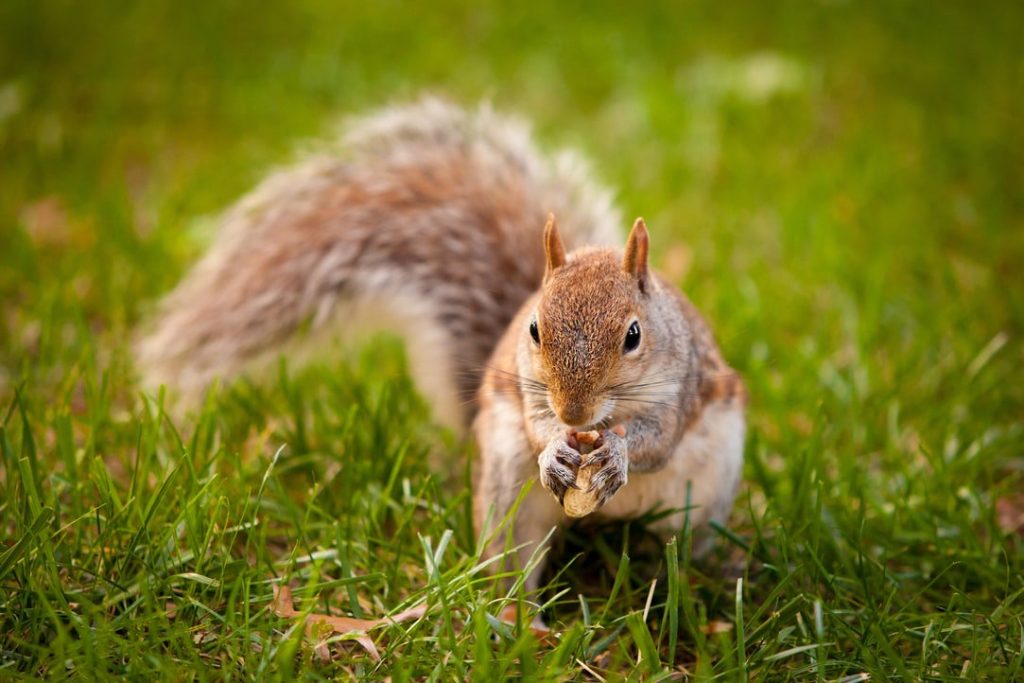
Squirrels scratching in your attic can be a frustrating problem. It’s important to address this issue quickly and humanely, protecting your home from potential damage and respecting the animals involved. This comprehensive guide will walk you through identifying the signs of squirrel presence, understanding their behaviors, and implementing humane methods to remove them and prevent future intrusions. We’ll cover everything from sealing potential entry points to employing safe and effective deterrents, ensuring your home’s integrity while maintaining animal welfare. This article is structured into sections addressing: identifying the problem, humane removal strategies, prevention tactics, and professional help when needed.
Identifying the Problem: Recognizing Squirrel Activity
Understanding squirrel behavior is critical to implementing effective solutions. Squirrels are naturally curious and active creatures, especially during the breeding season. Their persistent scratching and gnawing sounds often signal their presence in your attic. Recognizing these signs allows for timely intervention and minimizes potential damage.
Common Signs of Attic Squirrel Activity
- Loud scratching and gnawing noises, particularly at night.
- Visible droppings and nesting materials near potential entry points.
- Squirrels seen entering or exiting your attic vents or walls.
- Disturbances in insulation and roof materials.
- Unusual smells in the attic or your home.
Understanding Squirrel Behavior and Needs
Understanding squirrel behavior is crucial to finding a humane solution. Squirrels are primarily interested in finding suitable nesting sites and establishing territories for foraging and raising young. These needs frequently clash with our desire for a pest-free home. By recognizing these behaviors, we can develop targeted and effective solutions that respect the squirrel’s needs and prioritize their safety.
Related Post : Silverfish Found in Bathroom Drawers? Moisture Control Tips That Work
Humane Removal Strategies: Safe and Effective Methods
Implementing humane removal strategies is essential to address squirrel issues without causing unnecessary harm. The key is to create a safe environment for both the squirrels and your home. This involves identifying entry points, blocking access, and employing safe deterrents to encourage the animals to relocate.
Identifying and Sealing Entry Points
Careful inspection of your attic and exterior walls is crucial to find potential entry points. Look for gaps, cracks, and holes in the walls, vents, and rooflines. Using a combination of expanding foam, steel wool, or hardware cloth, you can effectively seal all entry points to prevent future intrusion.
Implementing Safe Deterrents
Safe deterrents can discourage squirrels from returning to your home. Consider using noise-making devices or placing netting or fine-mesh wire over vulnerable areas. These deterrents often work by disturbing the squirrels’ natural behaviors, deterring them from the area.
Professional Squirrel Removal Services
In some cases, professional help may be necessary. Trained professionals are equipped to safely remove squirrels and seal areas more effectively than homeowners can do themselves. This ensures the squirrel is relocated without harming it or the home.
Prevention Tactics: Creating a Squirrel-Proof Home
Preventing future issues is crucial. A well-maintained and squirrel-proof home significantly reduces the likelihood of squirrel problems. Regular inspections and proactive measures can be highly effective in preventing future infestations.
Regularly Inspecting Your Home
Regularly inspecting your home for signs of potential entry points is a key part of preventative measures. Pay close attention to areas such as rooflines, vents, and walls to ensure no gaps are present. Regular checks can save you significant stress down the line.
Maintaining Structural Integrity
Maintaining your home’s structural integrity is crucial to preventing squirrel entry. Ensure that your roof and walls are in good condition, and address any damage or cracks promptly to avoid problems.
Encouraging Natural Predators
Consider encouraging natural predators of squirrels to help manage the population naturally. By planting vegetation that attracts predators, you may contribute to a more natural balance that minimizes the number of squirrels entering your property.
Professional Help: When to Seek Expertise
In complex or recurring cases, professional help may be necessary. Trained professionals have expertise in safe and effective removal methods.
Evaluating the Extent of the Problem
Evaluate the extent of the issue and determine whether a professional removal service is required. If the squirrel problem is extensive, frequent, or causing significant damage, consider contacting a professional pest control company.
Ensuring a Safe and Humane Removal
Professional pest control companies can safely and humanely remove the squirrels, minimizing damage to your property and ensuring the safety of the animals. They have specialized equipment and knowledge to tackle squirrel issues effectively.
Tailored Solutions for Your Home
Professionals can provide tailored solutions and inspection for your specific situation to address the root cause of the problem. They have expertise in preventing squirrels from returning. Contacting them can help save a lot of time, money, and effort.
Long-Term Solutions: Sealing and Deterrents
Implementing long-term solutions are essential for preventing future squirrel issues.
Applying Durable Sealants
Using durable sealants and materials is essential for closing entry points effectively and creating a permanent seal. Choose high-quality products designed for outdoor use to ensure long-term protection.
Strategically Placing Deterrents
Strategically placing deterrents that deter squirrels from entering your attic can significantly reduce the risk of future infestations. Combining different methods, like noisemakers, scents, and physical barriers, can create a more effective deterrent system.
Routine Maintenance for Future Prevention
Routine maintenance will prevent future problems. Regularly inspect your attic and exterior walls, addressing any potential entry points promptly and preventing squirrels from finding new ways into your home.
In conclusion, understanding squirrel behavior and implementing humane removal and sealing strategies is crucial for protecting your home while respecting these fascinating creatures. Remember to prioritize safety, seek professional help if needed, and always consider the welfare of the squirrels. By following the steps outlined in this guide, you can effectively deter squirrels from accessing your attic and maintain a harmonious coexistence between wildlife and your home. Contact a professional pest control company for tailored solutions for your unique needs, or visit our website for further resources and to schedule a free consultation.