Soil erosion on slopes is a common issue affecting homeowners and landscapes worldwide. It can lead to significant property damage and environmental concerns. This article delves into the causes, impacts, and solutions for stabilizing slopes and protecting your yard from this damaging process. We’ll cover various techniques, including landscaping, retaining walls, and other soil conservation methods. This comprehensive guide will provide a clear understanding of the key factors involved in soil erosion, effective strategies for prevention, and sustainable practices to restore stability and beauty to your property. This article will be structured as follows: first, we’ll look at the fundamental understanding of the issue; then we’ll discuss practical solutions such as landscaping, retaining walls, and erosion control techniques; and finally, we’ll explore the importance of long-term maintenance.
Understanding Soil Erosion on Slopes
The Mechanics of Slope Erosion
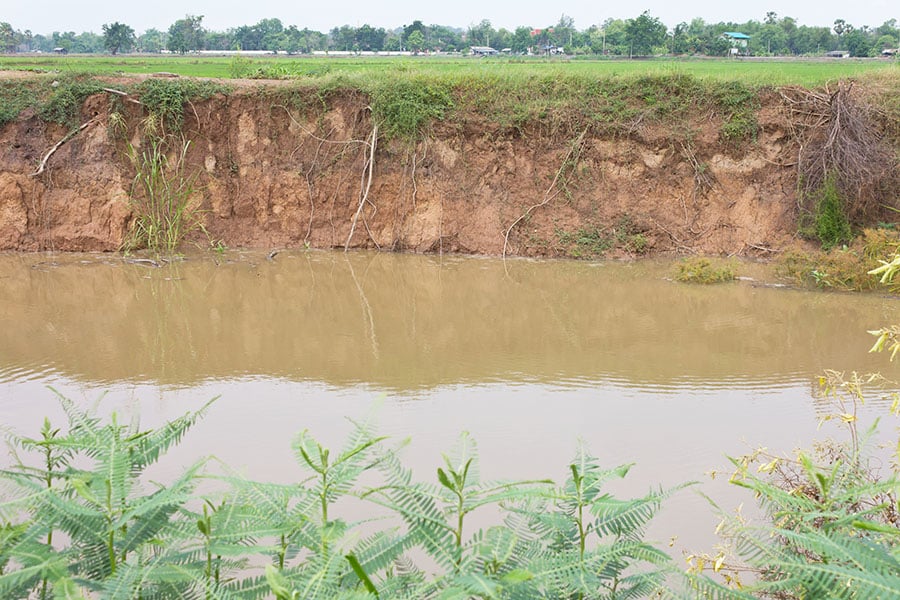
Slope erosion, a natural process, accelerates under the influence of various factors. Water runoff, wind, and even gravity play critical roles. Water, carrying sediment, can carve channels and gullies, especially on steep inclines. Heavy rainfall can exacerbate the problem dramatically. Similarly, wind can carry away loose soil particles, impacting exposed areas. Over time, this process can lead to significant loss of topsoil, impacting agricultural productivity, water quality, and overall landscape stability. Factors like the soil type, vegetation cover, and slope angle all contribute to the speed and severity of erosion.
Recognizing the Impacts on Your Yard
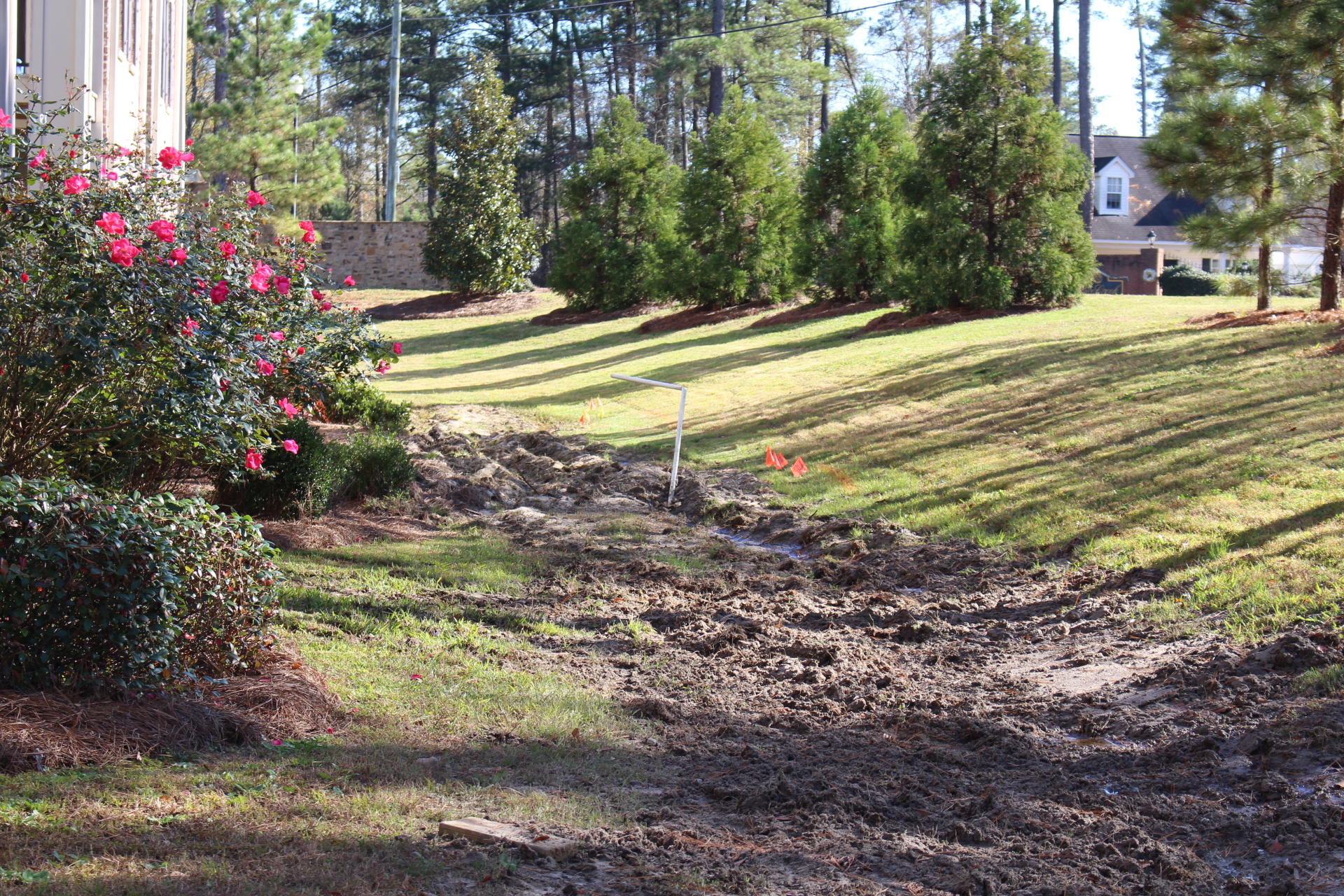
Recognizing the warning signs of slope erosion is crucial to taking action before the problem escalates. Signs to look out for include: visible gullies and channels forming in the soil, significant loss of topsoil, the appearance of exposed soil areas, and changes in the drainage patterns of your property. By proactively identifying these signs early, you can mitigate potential damage to your property and potentially prevent long-term structural concerns, as well as environmental issues.
Practical Solutions for Prevention and Mitigation
Preventing soil erosion involves proactive measures that include strategic landscaping, proper drainage, and the implementation of effective soil stabilization techniques. These steps not only help to protect your yard but also minimize the impact of soil erosion on your surroundings, contributing to the broader environmental well-being. The key focus is to support the soil and reduce the power of the natural agents of erosion.
Related Post : Grass Growing Unevenly? How to Achieve a Uniform Lawn
Landscaping Solutions
Using Vegetation for Erosion Control
Planting vegetation is a highly effective and aesthetically pleasing method of preventing erosion on slopes. Roots bind the soil together, creating a natural barrier against water and wind. Choose appropriate plants for the slope’s conditions and soil type. Native plants, in particular, are often well-suited to the local climate and soil conditions, requiring less maintenance and fostering a healthier ecosystem.
Creating Buffer Zones with Ground Cover
Strategic placement of ground cover, such as shrubs and grasses, can act as a natural buffer against erosion. The dense roots of these plants create a protective layer, preventing water runoff and stabilizing the soil. Consider the specific plant requirements for optimal growth and vitality to ensure a robust buffer zone.
Contour Farming Techniques
Applying contour farming techniques, by plowing and planting along the natural contours of the land, can help manage water flow and reduce erosion. This method slows down water runoff, allowing it to seep into the ground rather than carrying away topsoil and causing erosion.
Retaining Walls and Structures
Choosing the Right Retaining Wall Material
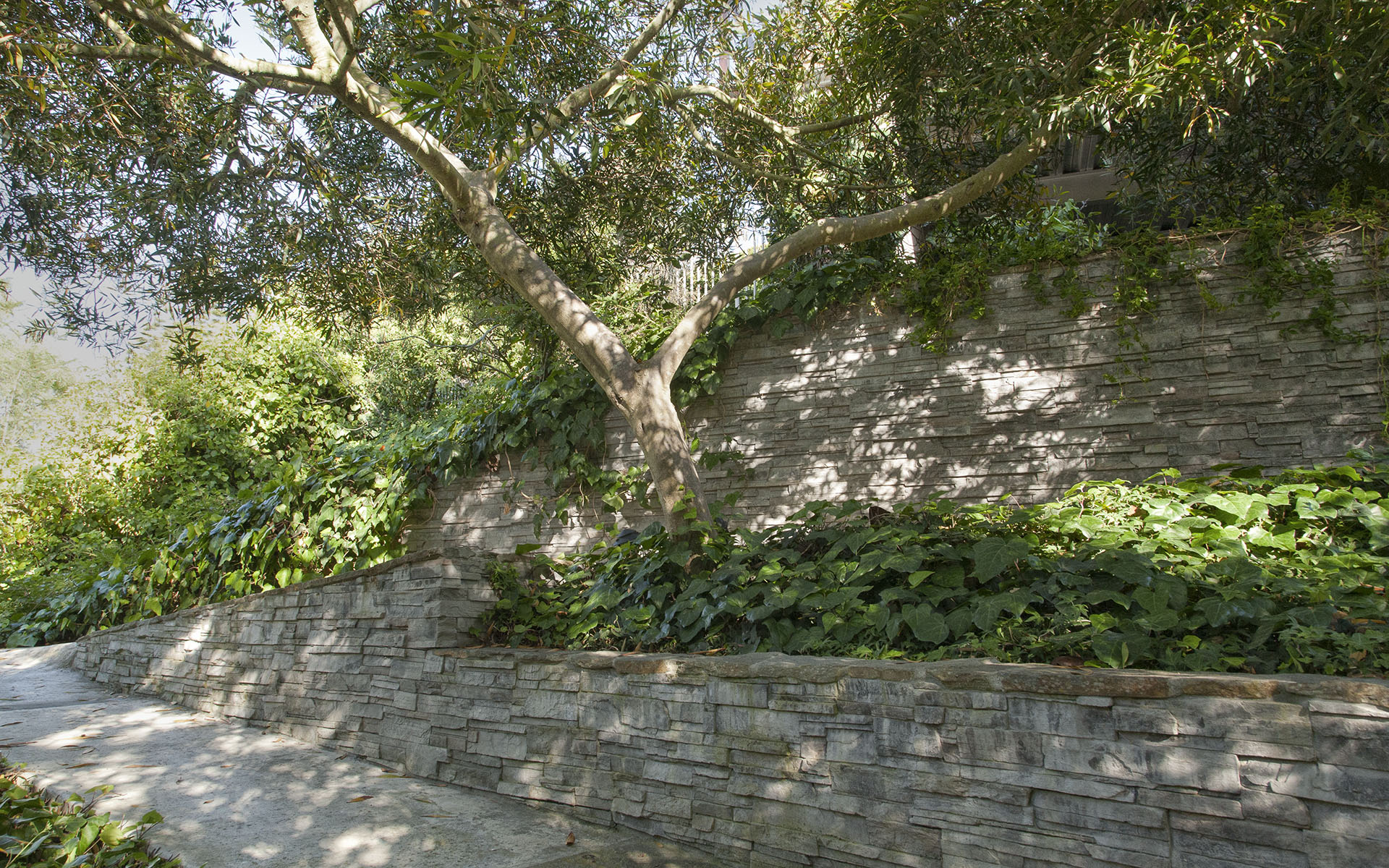
Retaining walls play a vital role in stabilizing sloped areas. When selecting materials, consider factors such as cost, durability, aesthetics, and the specific slope conditions. Stone, concrete, and composite materials are common choices, each with varying strengths and weaknesses. Proper engineering is crucial for ensuring the wall’s structural integrity and its ability to withstand the forces of erosion.
Implementing Erosion Control Measures
Employing erosion control measures, such as straw bales and silt fences, is often crucial. Straw bales can act as physical barriers to prevent water and wind from carrying away soil. Silt fences can effectively trap sediment and debris, preventing it from flowing into waterways and protecting sensitive ecosystems.
Drainage Systems
Proper drainage systems are crucial in managing water runoff. Diverting water away from potentially vulnerable areas on your slope and into appropriate channels can greatly reduce the risk of erosion. This will require detailed site analysis to determine the best drainage approach, and the need for professional input is advised.
Maintenance and Monitoring
Regular Inspections
Regular inspections of the slope and erosion control measures are critical. This allows for the identification and addressing of any issues promptly. Observing the condition of vegetation, retaining walls, and drainage systems is essential for proactive maintenance.
Monitoring Weather Patterns
Monitoring weather patterns and adapting erosion control strategies to changing conditions is key to successful soil management. Adjustments to drainage systems and other measures may be necessary during periods of heavy rainfall or prolonged drought.
Long-Term Planning
Long-term planning for slope stabilization and protection is essential for preserving the integrity of your yard. Consult with a landscape professional to develop a plan that addresses long-term needs and anticipates potential future challenges related to the issues associated with erosion on slopes.
Environmental Considerations
Preserving Natural Habitats
Maintaining and enhancing natural vegetation on slopes helps to create habitats for local wildlife and birds. These natural buffers often play a critical role in overall biodiversity.
Conclusion
FAQ
KeywordUtama
KeywordLSI
In conclusion, soil erosion on slopes is a significant environmental concern demanding proactive measures for stabilization and protection. Implementing sustainable landscaping techniques, utilizing appropriate retaining walls, and employing erosion control measures are crucial for preserving soil health and preventing further degradation. By taking these steps, homeowners can safeguard their yards, contribute to environmental sustainability, and enjoy the beauty of their landscapes for years to come. For further assistance, consider consulting with a professional landscape architect or erosion control specialist. They can provide tailored solutions and ensure the long-term stability of your property. Contact a local expert today for a free consultation!