Shelf brackets not level? This common DIY problem can lead to frustrating misalignment and even structural issues. Understanding the causes of uneven shelves, along with the common measuring mistakes that cause them, is the first step toward achieving perfectly level shelves every time. This thorough guide explores the nuances of shelf bracket installation, offering a step-by-step approach to leveling your shelves and avoiding costly errors. We’ll examine critical measurement techniques, discuss the importance of precise tools, and highlight crucial steps for a flawless install. Whether you’re a seasoned DIY enthusiast or a beginner, this guide is your one-stop solution to achieving perfectly level shelves.
Understanding the Fundamentals of Level Shelf Brackets
determineing the Problem
Uneven shelf brackets often lead to visual frustration, and sometimes structural issues. A crooked shelf, more than just an eyesore, can destabilize the entire setup. Poorly installed shelving can lead to items shifting, tipping over, or even causing the entire shelf to collapse under heavy weight. This situation is especially crucial in areas where stability is critical, like home offices, libraries, or pantries. Addressing these concerns directly will improve the aesthetic appeal and functional facets of your shelving system.
Assessing the Problem
It’s crucial to ascertain the cause of the uneven shelf. Is it a flawed measurement? Improperly selected brackets? Perhaps incorrect marking? A thorough inspection is essential. Take a step back and critically analyze the issues and make note of areas that need more attention. Using a level can be a simple but highly effective method to spot problems and ensure a stable and reliable installation.
Why Leveling Matters
Level shelves are more than just aesthetically pleasing; they’re essential for both safety and functionality. Imagine the frustration of dishes sliding off a slanted shelf or books falling from an unevenly supported structure. Level shelves contribute to overall structural integrity and eliminate such issues.
Common Measuring Mistakes and How to Avoid Them
Misinterpreting the Level
One of the most frequent errors involves using a level incorrectly. A level, while a simple tool, requires careful attention and proper application. Ensure the level is properly positioned against the bracket to eliminate any interference from shadows or surrounding objects. A level should be placed directly on the bracket’s mounting surface. This direct contact offers a precise reading, helping you to avoid any potential misalignments. Using a sturdy level that offers clear readings is essential.
Incorrect Measurements of Distance
Take painstaking care to measure distances accurately. A simple fraction of an inch difference can severely impact the final alignment, potentially leading to the shelf tilting. Measure twice, and mark and transfer your measurements very carefully. An error in one of these steps can outcome in an incorrect shelf bracket position.
Incorrect Marking of Mounting Positions
Ensure the mounting positions on the wall are meticulously marked before you drill any holes. Double-check the placement of these marks to ensure accuracy. Any discrepancy in these marks can dramatically affect the installation. Marking your measurements properly will minimize the chance of problems during installation. Take your time; this meticulous step will pay off in the long run.
Advanced Techniques for Level Shelf Installation
Utilizing a Stud Finder
determineing wall studs is crucial for a stable and secure installation. A stud finder is invaluable in ensuring your brackets are mounted on the support structures. These hidden structural elements play a crucial function in ensuring that your shelves are reliably mounted and not just attached superficially. Use this tool to locate wall studs to confirm that the brackets will be on solid ground for optimum support.
Using Leveling Blocks
Leveling blocks or shims are valuable tools in these situations. In case a surface is not perfectly flat, they allow you to adjust the mounting position for ideal leveling. This ensures accurate support for the shelf, minimizing any potential for the shelf to sag or become unstable. Using shims properly and strategically is a key step in your installation.
Double Checking Measurements
Double-checking your measurements is paramount in shelf bracket installation. This step can make or break the entire project and has a direct impact on your final product. Errors can be costly to correct during installation, and if caught in advance, can save you time and potentially money.
Tools and Materials for Effortless Installation
Choosing the Right Brackets
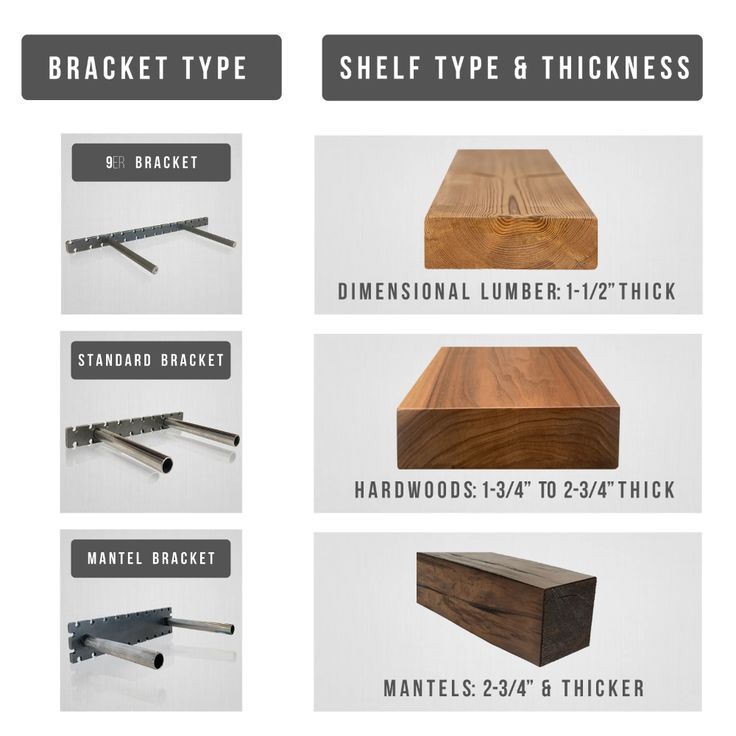
The type of shelf bracket you select directly impacts its stability and longevity. Consider factors such as weight capacity, material, and mounting options. A bracket specifically designed for the weight load intended for your shelf is crucial. If the weight load isn’t considered, your installation might not be stable and your shelf could collapse.
selection of Leveling Tools
select accurate and durable leveling tools. The quality and precision of your tools will have a significant impact on the overall achievement of your installation. A quality level, along with a stud finder, will be essential. select tools that are specifically designed for their task; this will help avoid any unintended problems.
Assessing Materials for Proper Mounting
select the right material for the screws and the wall, based on their anticipated support capacity. The strength of the supporting material is crucial, and this step will influence the longevity of your installation.
Related Post : Wall Anchors Pulling Out? How to Secure Heavy Items Correctly
Avoiding Potential Problems in Shelf Installation
Addressing Variations in Wall Surfaces
Uneven walls present a unique challenge to achieving level shelves. If your wall surfaces are not perfectly flat, your brackets will be affected and the level of your shelf will potentially be affected. Using leveling blocks can help with this problem.
Using Proper Screw Sizes and Types
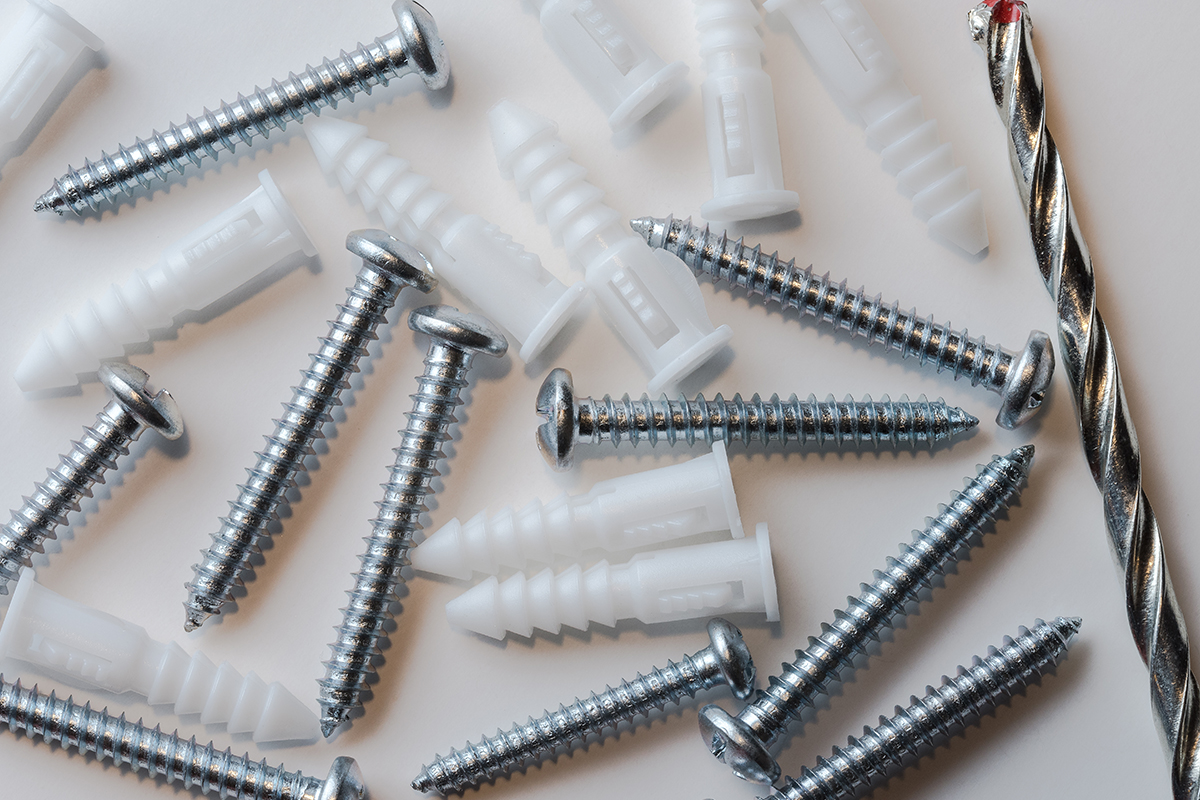
Using screws that are appropriate for the wood or the wall surface is vital for a achievementful installation. Using screws that are too short or not the correct type can create instability and lead to failure, potentially damaging your wall or the shelf.
Applying Shims Strategically
Using shims strategically to address slight imperfections in the wall or mounting surface is a technique that allows you to customize the support of your shelf. This technique is especially valuable if the wall surface is not fully level.
In conclusion, ensuring your shelf brackets are level is crucial for both the aesthetic appeal and structural integrity of your shelving system. By understanding the common measuring mistakes and utilizing the suggested techniques, you can avoid costly errors and achieve perfectly aligned shelves. Remember to double-check your measurements and use accurate tools to avoid issues down the line. If you’re still unsure, consider hiring a professional for a more definitive assessment and installation. Learn more about shelf installation tips in our latest blog post.