Scratches ruining the finish are a common frustration, especially with treasured furniture, wood, or metal surfaces. This guide will delve into simple methods for restoring shine and beauty to your surfaces after scratches appear. We’ll address the underlying causes of scratches, and offer solutions based on the type of surface you need to repair. This thorough guide will walk you through varied approaches, from quick fixes to more involved restorations. This will include tips for preventative care and methods that prevent future scratches.
determineing the Culprits: Understanding Causes of Scratches
varied Surfaces, varied Scratches
Scratches on furniture or other surfaces can often be avoided by careful handling, but accidents happen! Understanding the type of finish you are working with helps to determine the optimal approach for removing those marks. For example, scratches on painted wood are generally easier to repair than those on high-gloss or lacquer finishes, as the latter may require more specialized tools and techniques.
What Creates the Marks?
Several factors can lead to scratches: from accidental bumps to improper cleaning procedures. Dust and grit left unaddressed can also contribute to more noticeable scratches over time, and more aggressive cleaners can mar surfaces, requiring special care to restore. The hardness of the object making contact or the finish itself plays a function in how easily a scratch forms. Consider the type of furniture or object. Some materials are more susceptible to scratches than others.
Quick Fixes for Minor Scratches
Related Post : Handles Coming Loose Over Time? Tips to Secure Them Tight
Assessing the Damage
The first step is to determine the severity of the scratch. A minor scratch, a light scuff, doesn’t necessarily require a full restoration. A minor scratch might benefit from a simple polish or touch-up. Observe the scratch’s depth, length, and the type of finish to determine the optimal course of action.
Simple Polishing Techniques
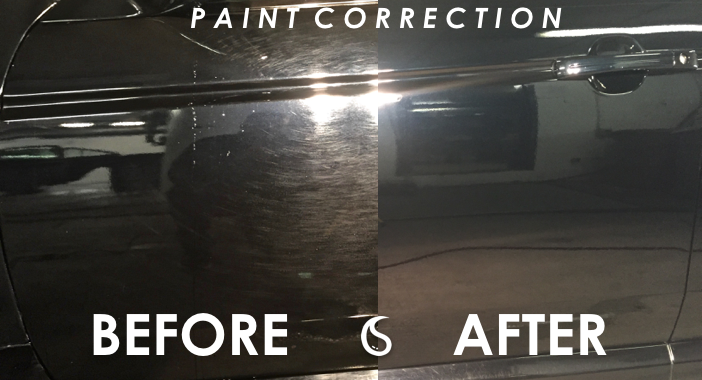
Polishing is a great option for minor scratches on many surfaces. Use a fine-grit polishing compound designed for the specific type of finish, and gently rub the affected area in circular motions. Be sure to follow the manufacturer’s instructions for optimal outcomes. For example, some polishing compounds should be applied with a soft cloth, while others may need to be blended with water. After polishing, buff the area with a clean, soft cloth to restore shine and smoothness.
Touch-up Paints and Pens
For minor, superficial scratches on painted surfaces, matching touch-up paints or pens are an effective solution. select a paint that closely matches the existing finish to minimize any visible difference. Follow the product instructions carefully and work in small, controlled sections, blending the touch-up paint seamlessly into the surrounding area.
Advanced Techniques for Deep Scratches
Assessing the Severity
Deep scratches require a more involved approach. A deep scratch may require a combination of techniques or even professional intervention. Assess the depth and type of scratch. Determine if it penetrates through the top layers of the finish, affecting the underlying material. This helps in deciding the right restoration method.
Specialized Tools
For significant scratches, you might need specialized tools like sanding blocks and abrasive compounds. These tools can help carefully remove damaged layers of finish without causing further damage. Use fine-grit sandpaper to remove the scratch. Sanding should be done in a continuous, circular motion, applying light pressure. Make sure you use protective gear for sanding, including safety glasses and a dust mask to avoid respiratory issues.
Preventative Measures
Protective Coverings
Preventative measures are crucial to minimizing scratches on your surfaces. Protecting valuable pieces of furniture during moving or storage can save you a lot of hassle. Use protective coverings, such as cloths or furniture pads, to prevent accidents when moving furniture or storing items. Carefully consider the type of material that needs to be protected and how it should be protected.
Proper Handling
Handle furniture and other items carefully. Avoid dragging or forcefully pushing objects that may cause scratches. Proper handling is crucial, especially for delicate items such as antique furniture. Use soft cloths when cleaning furniture. This reduces the risk of scratching when cleaning surfaces.
Professional Help
When to Seek Help
Sometimes, scratches are too deep or extensive for DIY repairs. For intricate or high-value items, professional restoration services can ensure the optimal possible outcome, preserving the original quality and avoiding irreversible damage. Assess the scratch and consider whether you are equipped to undertake a restoration yourself. Seek professional help when restoring highly valued or unique furniture.
Specialized Restoration Services
Professional restorers have the expertise, tools, and techniques to handle various types of finishes and scratches. They can determine the specific type of finish or surface and use specialized products and techniques to achieve a flawless restoration. They can also assess the overall condition and recommend the optimal approach to prevent further damage. Some restorers may even be able to match and replace the finish to match the original, and restore the finish to its original quality.
In conclusion, scratches on your finishes can be a significant aesthetic concern, but with proper care and the right methods, you can restore their shine and beauty. By understanding the causes of scratches, employing the right tools, and following the steps outlined in this guide, you can easily bring your surfaces back to their former glory. Remember prevention is key—careful handling and protective measures can significantly reduce the likelihood of future scratches. For further assistance or detailed information on specific types of finishes, consult with professional restoration services or your product manufacturer for tailored recommendations. Don’t let scratches ruin your finishes anymore; take action today to restore your surfaces’ shine.