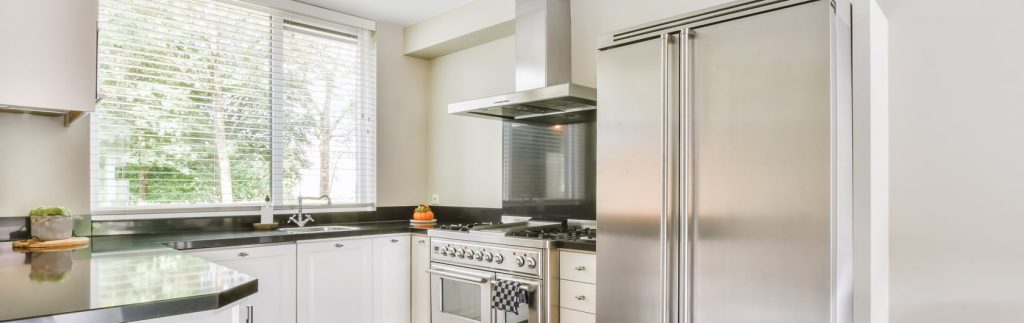
Refrigerator not cooling evenly can be a frustrating problem, impacting food safety and potentially leading to wasted food. This comprehensive guide explores the common causes of uneven cooling in refrigerators, offering actionable troubleshooting steps to diagnose and fix the issue effectively. We’ll cover everything from simple maintenance checks to potential problems with components, insulation, and seals. Understanding the root cause is key to the correct solution. This article will provide a structured approach, starting with common reasons and progressively moving towards more complex troubleshooting steps, complete with actionable advice.
Identifying the Problem: Uneven Cooling in Your Fridge
Common Signs of Uneven Cooling
Many factors can affect the even distribution of cold air within a refrigerator. One of the first signs you may notice is a disparity in temperatures between different shelves or drawers. Some areas might be noticeably warmer than others, making proper food storage challenging. Another common symptom is a difference in temperature between the top and bottom sections of your fridge. You might also find condensation building up on certain areas or ice forming on the refrigerator’s exterior walls. These signs suggest potential issues with airflow or component malfunction, both of which can lead to uneven temperatures within your refrigerator, affecting food safety.
How Uneven Cooling Affects Food Safety
Maintaining an even temperature in your refrigerator is vital for food safety. Uneven cooling allows certain food items to be at a higher risk for bacterial growth because different compartments aren’t at the same appropriate temperature for safe food storage. This can lead to foodborne illnesses. If food spends extended periods outside the safety zone, the potential for dangerous bacteria and harmful pathogens grows rapidly.
Troubleshooting Guide Structure
This article provides a structured troubleshooting guide for refrigerator cooling issues. We’ll start by examining the most common causes, like incorrect placement or door seal damage. We’ll then progress to more advanced troubleshooting, including potential compressor or fan issues. Following each step, you’ll find actionable solutions you can attempt on your own, as well as clear indications of when to contact a professional.
Related Post : Cabinet Doors Misaligning After Installation? How to Adjust Properly
Checking the Basics: Placement and Door Seals
Correct Refrigerator Placement
Ensure your refrigerator is placed on a stable, level surface. An unstable or tilted refrigerator can disrupt its cooling mechanisms. It’s essential that the refrigerator isn’t obstructed by other appliances or items, allowing proper ventilation for efficient air circulation. Poor placement can impact the refrigerator’s internal air circulation. An obstructed or unstable refrigerator may cause the compressor to work overtime and lead to uneven cooling.
Inspecting Door Seals
Inspecting the seals is an important step. Damaged or worn-out door seals can allow warm air to enter, disrupting the cooling system. Check all the seals around the doors for any signs of damage or tears. Apply gentle pressure to ensure the door seals firmly against the refrigerator. If you find issues, consider replacing the seals. This ensures an effective air seal to prevent warm air from entering.
Evaluating Internal Airflow: Fans and Ventilation
Fridge Air Circulation
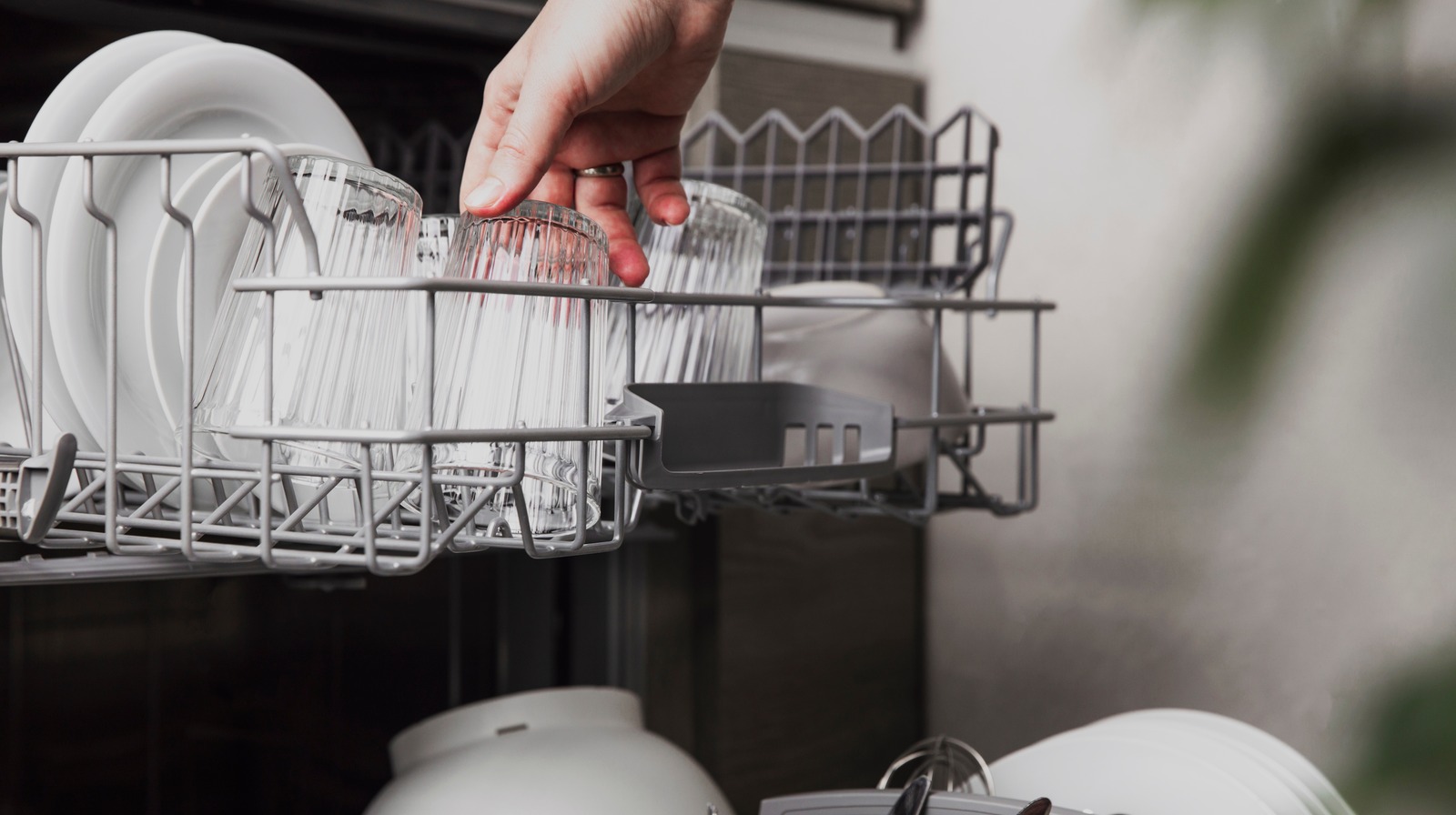
Internal airflow is crucial to maintaining even temperatures throughout the fridge. Assess if the air is circulating freely within the compartments. Ensure there are no obstructions, like excess food items or containers that might block the airflow. Sometimes, food items, especially in the door compartments, may be placed too close, limiting airflow and potentially causing uneven cooling. Ensure items are spread out, maximizing air circulation.
Checking the Cooling Fans
Some refrigerators use internal fans to circulate cool air; verify if these fans are working properly. You can often hear the fan running. If it sounds unusually loud, it could indicate a potential issue that might need professional assessment. Be mindful of any unusual noises that might indicate fan or component failure, which can lead to uneven cooling.
Assessing Ventilation
Sufficient ventilation around the refrigerator is vital. Ensure the refrigerator has adequate space for proper air circulation around all sides, and that the rear ventilation space isn’t blocked by any items or appliances. Lack of ventilation can impair proper cooling, leading to inconsistent temperatures.
Assessing Temperature Controls and Components
Adjusting Temperature Settings
Double-check the temperature settings on your refrigerator. Adjusting the thermostat may resolve minor issues if the temperature setting is incorrect or not properly calibrated. Be aware that fluctuating temperature settings can lead to inconsistent cooling, and therefore accurate temperature settings are crucial for uniform cooling.
Inspecting the Thermostat
The thermostat’s functionality is critical. If the thermostat is malfunctioning, it can significantly impact the refrigerator’s ability to maintain a consistent temperature across its compartments. Inspect the thermostat for any signs of damage or malfunction, and consider professional testing if necessary.
Addressing Compressor Problems
The refrigerator’s compressor is essential for maintaining the cold temperature. If the compressor is not working properly, the refrigerator will struggle to maintain consistent cooling. This may cause uneven cooling, among other issues. Be mindful of any unusual noises, like unusual clicking or whirring from the compressor, which may indicate potential problems that may require professional evaluation and repair.
Other Potential Causes: External Factors
Power Fluctuations
Unstable power supply may lead to uneven cooling as well. An inconsistent power supply can cause issues with the refrigerator’s compressor and other crucial components, leading to uneven temperature distribution. To verify, check if there are any other electrical devices in the area experiencing similar issues.
Overloading the Refrigerator
Overcrowding can also hinder proper airflow. Ensure that the refrigerator isn’t overfilled. Proper spacing is essential to maintain adequate air circulation and uniform cooling of each section.
Humidity Levels
High humidity levels can negatively impact cooling in a refrigerator, affecting the uniformity of the cooling system.
In conclusion, refrigerator not cooling evenly is a common issue that can stem from several causes, ranging from simple maintenance issues to more complex problems requiring professional intervention. Understanding the potential culprits—like faulty components, insulation problems, or improper door sealing—is crucial for resolving the issue effectively. By following these troubleshooting steps, you can identify the root cause and implement the appropriate solution, ensuring that your refrigerator is providing consistent cooling for optimal food preservation. If the problem persists, consider seeking professional refrigerator repair services. They have the expertise to diagnose and fix even the trickiest problems, ensuring that your refrigerator is operating at peak efficiency.
If you’ve followed these steps and are still experiencing issues with your refrigerator not cooling evenly, don’t hesitate to contact a qualified repair technician. This will ensure you get the right diagnosis and solution for your specific refrigerator model and ensure longevity of your appliance.