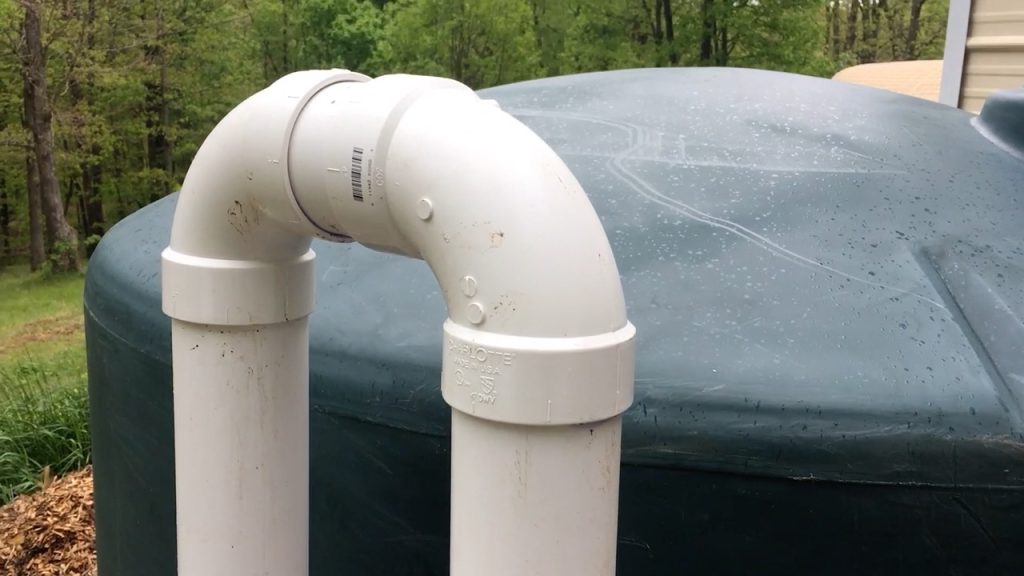
Rainwater harvesting system overflowing is a common issue that can lead to significant problems if not addressed promptly. Imagine collecting rainwater for a variety of uses, only to have it overflow, causing damage to your property or surrounding areas. This article delves into the causes of overflowing rainwater harvesting systems and presents practical solutions for managing excess water effectively. Rainwater harvesting systems, if not managed correctly, can lead to a range of issues and in this article we aim to give you effective solutions for managing overflow. This article will explore the root causes, offer practical solutions and demonstrate how to optimize your system’s performance.
Understanding the Causes of Overflowing Systems
Common Reasons for Overflow:
Overflowing rainwater harvesting systems are often a result of several interconnected factors. Insufficient or improperly sized storage capacity is a major culprit. If the storage tank or reservoir doesn’t have the necessary size for the expected rainfall amount, the system will quickly overflow. Another key contributor is inadequate drainage or outflow channels. Obstructions in the drainage pathways can significantly hinder the water’s movement, increasing the likelihood of overflow. In addition, issues with the system’s components such as pipes, valves, or filters can cause blockages or leaks, leading to an overflow. Inadequate maintenance is also a critical factor. Without regular maintenance, sediment buildup or other clogs can occur in the system, hindering efficient water flow and ultimately causing an overflow issue. Furthermore, improper installation can create structural vulnerabilities or design flaws that exacerbate the issue.
Assessing Your System:
Before implementing solutions, thoroughly assess the cause of your overflowing system. Inspect the storage tank, drainage pipes, and associated connections. Check for blockages or structural issues that might be contributing to the problem. Analyze the rainfall data for your area to determine the typical rainfall amounts. By identifying the specific cause, you can choose the most suitable solution to resolve the problem. This assessment process is essential for effectively addressing the overflow issue.
Increasing Storage Capacity
Related Post : Energy-Saving Appliances Not Lowering Bills? What to Check First
Expanding the Reservoir:
One of the most common solutions for managing overflowing rainwater harvesting systems is expanding the reservoir’s capacity. If your current storage system isn’t large enough to accommodate the rainfall volume in your area, a larger tank or reservoir is likely needed to store excess rainwater. Consider options like increasing the size of the existing tank or installing an additional, larger tank. Determine the capacity required based on your average rainfall and your planned water usage. Larger storage tanks typically come at an elevated cost but this may be well worth it in the long run and can prevent costly repairs and inconvenience.
Optimizing Drainage and Outflow
Improving Drainage Channels:
Ensure that your drainage channels are free from any obstructions or blockages. Inspect the pipes and channels regularly for any accumulation of debris. Removing any debris will facilitate efficient water flow. Employ appropriate landscaping designs to prevent water from accumulating in problematic areas. Employing proper grading and slope design can help to direct water away from the system.
Addressing System Component Issues
Repair or Replacement:
If the issue lies within the system’s components, address any leaks or blockages promptly. Inspect pipes, valves, and filters regularly. This proactive approach helps avoid major issues. Replace malfunctioning components with new, high-quality alternatives to maintain optimal functionality. For example, use high-quality pipes that are resistant to leaks and blockages.
Implementing Preventative Maintenance
Regular Inspections:
Regular inspections and maintenance of your rainwater harvesting system are vital. Inspect for clogs, debris build-up, and any signs of damage. Identify and address any issues before they escalate into major problems. Develop a comprehensive maintenance schedule for regular inspections and cleaning. Following a proactive maintenance plan can save time and money in the long run.
In conclusion, effectively managing rainwater harvesting system overflows is crucial for both environmental sustainability and property protection. By implementing proper overflow management strategies, you can ensure your system’s longevity and prevent potential damage. Remember to regularly inspect and maintain your system, promptly addressing any issues. This proactive approach will help you optimize your rainwater harvesting system for years to come. Contact a local expert or consultant for tailored advice and solutions for your specific needs and situation. Consider exploring alternative methods like rainwater harvesting for landscaping to further optimize your system’s efficiency and reduce overflow risk.