Poor lighting making work difficult is a surprisingly common problem that often goes unnoticed. From dimly lit offices to harsh glare, inadequate lighting can significantly impact employee productivity and well-being. This article explores various facets of poor lighting’s negative impact and presents actionable solutions to brighten up the workspace, ensuring optimal visual comfort and productivity for everyone.
The Impact of Poor Lighting on Productivity
The Connection Between Visual Comfort and Work Performance
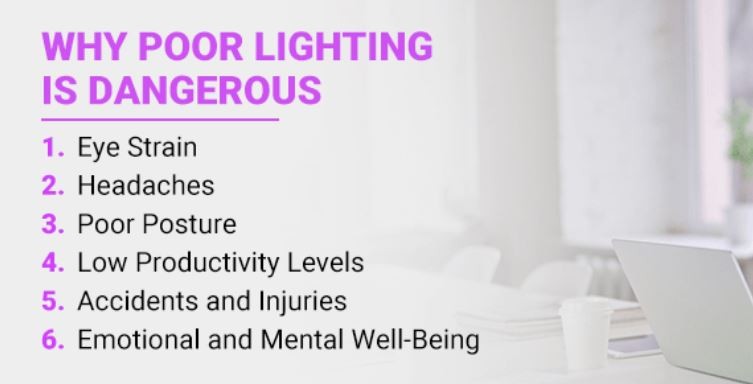
Poor lighting conditions can seriously affect employees’ ability to focus and complete tasks effectively. Glare, shadows, and insufficient brightness can lead to eye strain, headaches, and increased fatigue. Studies have shown a clear correlation between poor lighting and decreased productivity; employees who experience visual discomfort tend to exhibit lower work performance and higher error rates. These factors affect not only individual performance but also the overall efficiency of the workplace.
Examples of Poor Lighting Environments
Imagine an office where the fluorescent lights hum monotonously, creating a stark and uninviting environment. The glare from computer screens further intensifies the discomfort. Another example is a warehouse where low lighting levels hinder workers’ ability to spot potential hazards. Poor lighting in retail stores can negatively impact customer experience, reducing their time spent shopping.
Optimizing Lighting for a Comfortable Workspace
Related Post : Garage Door Not Opening Smoothly? Common Track and Motor Issues
Utilizing Natural Light Sources
Maximizing the use of natural light is a cost-effective and aesthetically pleasing solution. Positioning workstations near windows or using light-colored walls can significantly brighten the space. Creating an environment that allows natural light to penetrate deep into the room can greatly improve visual comfort and reduce the need for artificial lighting, saving money and promoting employee well-being.
Choosing the Right Lighting Fixtures
Employing diverse lighting strategies like adjustable lighting and task lighting is key. Consider installing adjustable overhead fixtures, allowing employees to control the brightness and direction of light. The use of specialized task lamps on desks can provide focused light exactly where needed, alleviating eye strain.
Strategies for Reducing Glare
Proper positioning of screens and lighting fixtures can minimize glare from reflective surfaces or computer screens. Using frosted or diffused lighting fixtures can lessen harsh glare, improving the work environment.
Implementing Solutions in Different Work Environments
Lighting Optimization in Offices
In office environments, optimizing lighting goes beyond just the overall brightness. Color temperature also plays a crucial role. Cooler lighting might promote alertness, but it can be too stimulating for some individuals. Implementing adjustable lighting systems allows employees to customize their workspaces for maximum comfort. A mix of overhead lighting, task lighting, and ambient lighting can create a balanced and productive environment.
Warehouse and Industrial Settings
Warehouses and industrial settings demand different considerations. High-intensity lighting is often necessary for safety reasons. Ensuring adequate light coverage and avoiding shadows are crucial in these spaces. Strategic placement of lights to prevent shadows significantly reduces accidents and improves the overall work environment.
Retail Settings
In retail spaces, lighting is essential for both attracting customers and guiding them through the store. Well-designed lighting can showcase products effectively and create a warm and inviting atmosphere. The use of color temperature is critical for establishing the right ambiance.
Measuring the Effectiveness of Lighting Improvements
Tracking Productivity Metrics
After implementing lighting improvements, monitor productivity metrics like task completion rates, error rates, and employee feedback. Quantifiable data helps determine the effectiveness of the modifications. Tracking these metrics provides tangible evidence of the positive impact of optimized lighting.
Analyzing Employee Feedback
Regularly surveying employees about their lighting experience can provide valuable insights. Gathering direct feedback from employees can uncover areas for further optimization. Addressing employee concerns about lighting issues, like discomfort or lack of focus, through feedback collection, can result in a more efficient and comfortable work environment.
Comparing Data Before and After Implementation
Comparing productivity rates, error rates, and other relevant metrics before and after the lighting modifications provides concrete data for assessing the impact of lighting improvements. These comparisons enable businesses to gauge the actual return on investment (ROI) associated with lighting optimization investments.
Case Study: Improved Productivity in a Call Centre
A large call centre reported a noticeable increase in agent productivity after upgrading their lighting system. They moved from harsh fluorescent lighting to a more balanced system combining natural light and soft, adjustable task lights. The results showed a significant reduction in call handling errors and an increase in customer satisfaction scores.
In conclusion, poor lighting significantly impacts workplace productivity and well-being. Implementing solutions like adjustable lighting, task lighting, and natural light optimization can dramatically improve the work environment. By addressing these issues, businesses can foster a more productive, healthy, and comfortable workspace for their employees, leading to increased efficiency and reduced stress. Consider incorporating these solutions into your workplace design and management strategies for improved employee experience and overall business success.