Pest damage showing in corners is a common issue affecting homeowners worldwide. It’s often a subtle sign of a larger problem lurking in your home, and ignoring it can lead to a significant infestation. Pest damage in corners can manifest in various ways, from small nibbles to extensive chewing marks. Understanding the signs, identifying the cause, and acting promptly are crucial for effective pest control. This article explores the common signs of pest damage in corners, discusses potential causes, and provides actionable solutions to get rid of the problem and prevent future infestations. We’ll explore the causes of the damage, the signs to look for, and the steps to take to eliminate the pests and protect your home.
Understanding the Signs of Pest Damage in Corners
Pest damage in corners often goes unnoticed until the damage becomes significant. Learning to spot the early signs is crucial for effective pest control. These subtle signs can indicate a wide range of pests, from rodents and insects to other critters. Knowing what to look for allows you to address the issue quickly and efficiently before the problem escalates.
Types of Damage
The type of damage can vary greatly depending on the pest. For example, rodents might leave gnaw marks, while insects may create small holes or trails of debris. Be observant of any unusual activity or signs of damage around corners, especially in areas like baseboards, walls, or window frames.
Related Post : Deck Boards Splintering Over Time? How to Restore a Smooth Surface
Common Signs
- Small holes or nibbles in wood or drywall
- Droppings or scat
- Unusual sounds or noises (e.g., scurrying or gnawing)
- Discarded skins or shed fur
- Webs or silk threads
Identifying Potential Pests
Determining the specific pest causing the damage in corners is crucial for choosing the right solution. Different pests have different behaviors and needs, thus requiring unique control strategies. Knowing the culprit allows for targeted treatment and prevents the problem from recurring.
Common Culprits
- Rodents: Mice and rats often gnaw on wood, drywall, and other materials. They are attracted to areas with easy access and food sources.
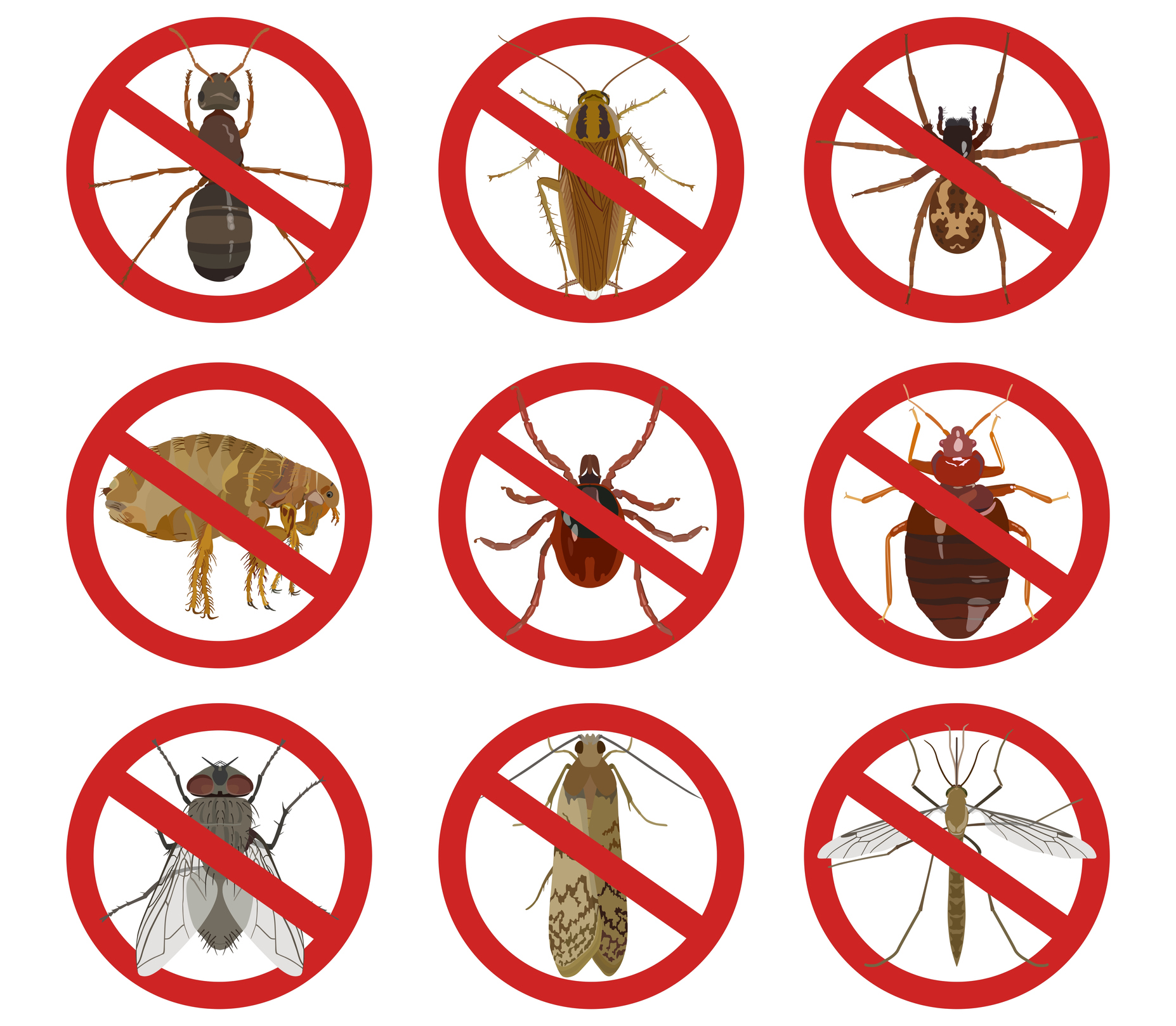
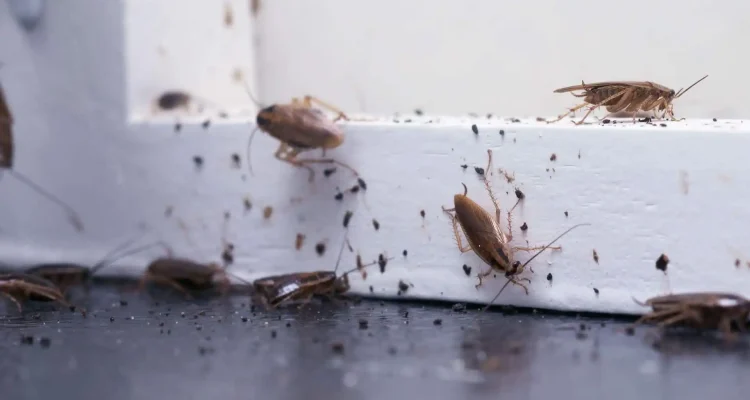
- Insects: Termites, carpenter ants, and cockroaches can cause significant damage to wooden structures and create tunnels or nests in corners.
- Other Critters: Squirrels, birds, or other small animals may sometimes chew on wood or create nests in corner spaces.
Implementing Effective Solutions
Implementing effective solutions depends heavily on the type of pest causing the damage. Prompt and targeted action is crucial for minimizing damage and preventing future infestations.
Exclusion Strategies
Eliminating entry points for pests is vital. Seal cracks and crevices in walls, floors, and foundations to block access. Repair any damaged window or door frames. Inspect and repair any damaged or worn-out screens. Use caulk or steel wool to fill gaps in pipes or exterior wall penetrations. These measures help to create a physical barrier preventing pests from entering your home.
Rodent Control
For rodents, use traps specifically designed for catching rodents. Bait stations can be used for trapping and eliminating the rodents. Maintain a clean environment to remove food and water sources that could attract rodents. Clean up any spills promptly and store food properly. Rodent problems often occur due to a lack of sanitation. Always dispose of garbage in sealed containers.
Monitoring and Prevention Strategies
Maintaining ongoing monitoring is vital to prevent future pest infestations. Regular inspections and preventative measures are key to long-term protection against damage. It’s important to adopt an ongoing approach to pest control.
Inspect Regularly
Periodically inspect your home for signs of pest activity, paying close attention to corners and areas with potential entry points. Look for droppings, gnaw marks, or other signs of infestation. Proper sanitation in and around your home is key in preventing pests.
Preventative Measures
- Remove potential food and water sources from your home.
- Store food properly and seal containers tightly.
- Keep your kitchen and bathrooms clean and dry.
- Maintain a regular schedule of cleaning and maintenance to prevent pests from finding hiding spots.
Professional Pest Control Solutions
In cases of severe infestations or persistent issues, professional pest control services are recommended. Professional help is often the best option for more difficult pest situations.
Professional Intervention
Experienced pest control professionals have the tools and expertise to effectively identify the type of pest and implement targeted control strategies. Professional treatments can help you resolve pest issues more efficiently.
Integrated Pest Management (IPM)
Professionals often use IPM strategies that combine pest identification with monitoring and prevention techniques. Integrated pest management approaches help minimize the impact of pest control on the environment and promote long-term solutions.
Additional Tips
Identifying the Pest
It’s critical to identify the type of pest damaging the corners. Different pests have different characteristics and control methods.
Environmental Considerations
Consider the environmental impact of different control strategies. Choose environmentally friendly methods wherever possible. Identify factors that might be attracting the pests, such as water sources or food debris. Removing these conditions can help prevent further issues.
Conclusion
Pest damage showing in corners can be a significant problem, but it’s a solvable one with a proactive approach. Understanding the types of damage, potential pest culprits, and effective control methods is crucial. Always follow the appropriate guidelines for controlling specific pests and consider professional help for severe situations. Implement prevention strategies now to maintain a pest-free environment.
Long-Term Solutions for Pest Prevention
Preventative pest control should always be a priority to avoid recurring issues. Routine cleaning is crucial, particularly in corners, kitchens, and bathrooms.
Resources
Some additional resources may help in your understanding. Explore resources on pest identification and control strategies. These can offer additional insight and tips for dealing with pest-related issues.
Pest damage showing in corners is a common issue, and understanding its potential causes and solutions is crucial for effective pest control. By following the steps outlined in this article, you can effectively identify the source of the damage, implement targeted solutions, and maintain a healthy and pest-free environment. Don’t hesitate to reach out to a pest control professional for personalized assistance if the damage persists or becomes severe. Remember prevention is key – implement preventative measures like proper sanitation and sealing gaps to keep pests out in the future.