Paint peeling off your wooden cabinets? Don’t despair! This thorough guide will walk you through the process of refinishing peeling paint on wooden cabinets properly, transforming your kitchen or bathroom from drab to fab. We’ll cover everything from assessing the damage to applying the final coats, ensuring a stunning finish. We’ll address common problems, offer practical tips, and offer solutions for varied types of peeling paint, so you can tackle this DIY project with confidence. This article will cover preparation, priming, sanding, and finishing techniques, guiding you through every step with clarity and precision. Ready to learn how to revive your cabinets?
Assessing the Damage and Choosing the Right Approach
Understanding the Causes of Peeling Paint
Peeling paint on wooden cabinets often stems from several underlying issues. Moisture, improper preparation during previous painting jobs, or the poor quality of the original paint can all contribute to the problem. determineing the root cause is essential for determining the right refinishing approach. Often, humidity or water damage will need additional solutions beyond just refinishing.
Evaluating the Extent of the Damage
Carefully examine the extent of the peeling paint. Are there just a few small spots or is the problem more widespread? Is the wood underneath the paint damaged, or is the wood sound? These considerations help determine whether a full refinishing is necessary or if a spot repair may suffice. A small repair can often save you the cost and labor of a complete refinishing.
selecting the Appropriate Refinishing Materials
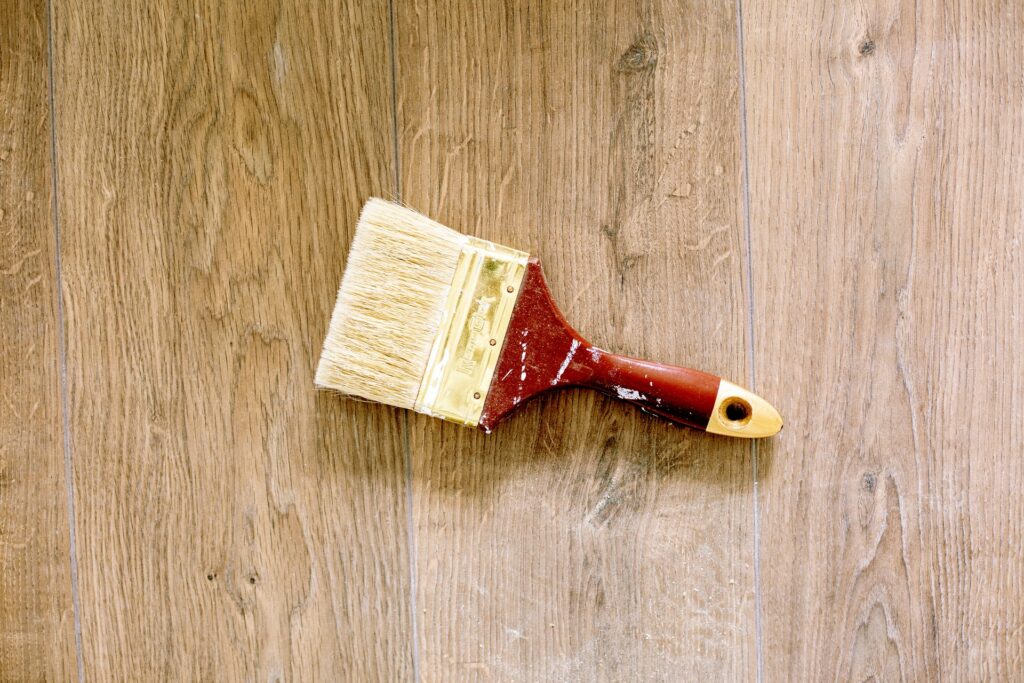
The next step involves selecting the right materials. Consider factors like the type of wood, your desired finish, and your budget. varied paints and finishes are suitable for various wood types, and these preferences will also impact the tools and equipment necessary.
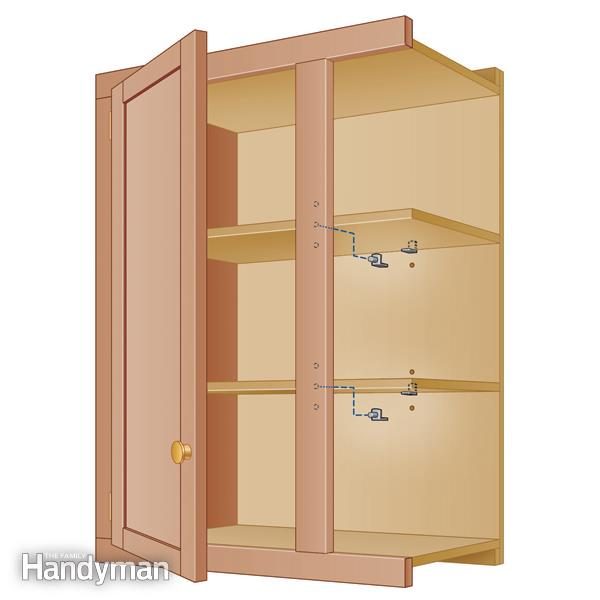
Related Post : Cabinet Doors Not Closing Evenly? Causes and Easy Fixes
Preparing the Cabinets for Refinishing
Thoroughly Cleaning and Preparing the Surface
Before you start refinishing, it’s critical to thoroughly clean the cabinets. Use a suitable wood cleaner, paying special attention to removing any existing residue or grime. A high-quality cleaner designed specifically for wood surfaces will prevent damage from abrasive cleansers. Ensure the surface is completely dry before continuing.
Removing the Old Paint
Removing old layers of paint is an often-overlooked but crucial part of the refinishing process. Choosing the right technique for removing peeling paint is key. If it’s only loose paint, you may be able to simply scrape it off. For tougher stains, consider using chemical strippers or sanding techniques. Use caution when handling these materials to avoid health risks or property damage. Always follow the safety instructions and instructions on any products used for removing paint.
Repairing Damaged Wood
Inspect the wood for any damage or imperfections beneath the paint. This is critical, and if the wood is visibly damaged, it will likely need repairing before painting.
Priming and Sanding
selecting the Right Primer
Choosing the right primer is essential for a durable finish. A quality primer will offer an even surface for the new paint to adhere to, preventing potential issues like bubbling or peeling in the future.
Applying the Primer Evenly
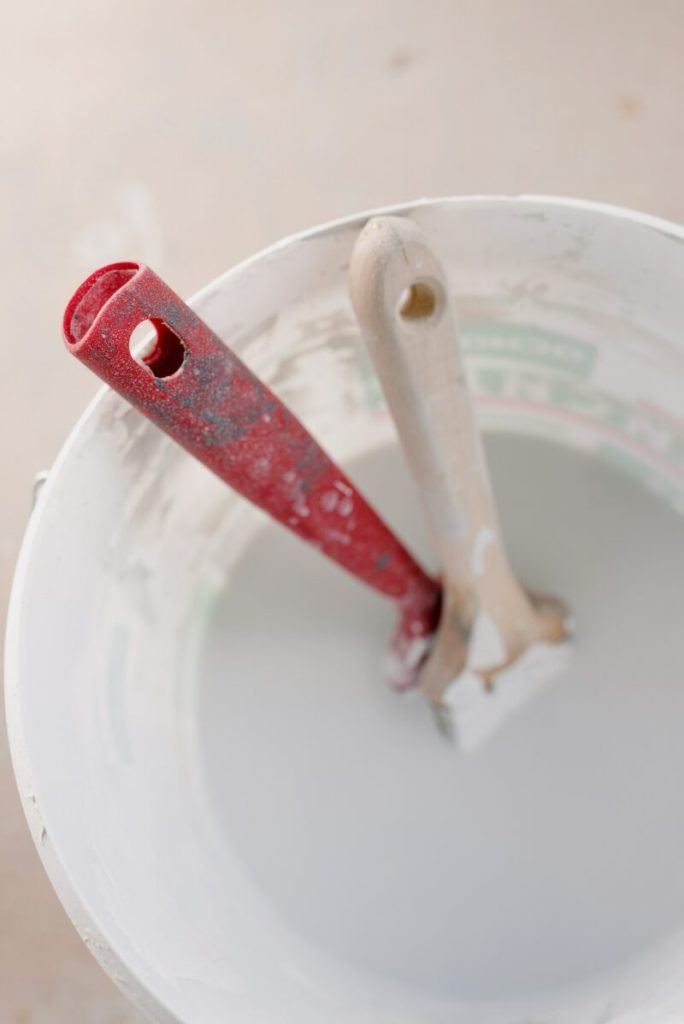
Apply the primer in thin, even coats, allowing each coat to dry completely before applying the next. Proper drying time is crucial. If you rush this stage, it can lead to imperfections and adhesion issues.
Ensuring Smooth Surface
Once the primer has dried, sand the surface to ensure a smooth and even texture for the topcoat. Using progressively finer grits of sandpaper is key for achieving an optimal finish. A smooth surface is critical for a high-quality and lasting outcome.
Applying the Final Coats
Choosing the Right Paint
select a paint that matches your desired finish and the wood type. Various types of paint, including oil-based and water-based, can be used for varied purposes. Each has benefits and drawbacks to consider when refinishing your kitchen cabinets.
Applying the Paint Evenly
Apply the paint in thin, even coats, allowing each coat to dry completely before applying the next. Following these steps can significantly reduce the chance of problems in the final product.
Achieving a Professional Finish
Take your time to achieve a professional finish. Consider techniques like using a brush or sprayer, depending on the paint type and your comfort level. Ensure proper drying time between each coat to allow for optimal adhesion.
Finishing Touches and Maintenance
Applying Sealant
Applying a sealant is crucial for protecting your newly refinished cabinets and maintaining their beauty and durability. Protect against water damage and humidity by using a quality sealant designed for your cabinets.
Caring for Your Refinished Cabinets
Regular care and maintenance are crucial for keeping your refinished cabinets looking their optimal. Cleaning them with mild soap and water is usually sufficient.
Addressing Future Issues
Prevention is key to maintaining your cabinets. Addressing potential issues early can often prevent more significant problems in the future.
In conclusion, refinishing peeling paint on wooden cabinets is a rewarding DIY project that can significantly improve the aesthetic appeal and value of your home. By following these steps, you can effectively address peeling paint, whether the cause is moisture, old paint, or improper preparation. Remember to select the right tools and materials, and take your time throughout the process for the optimal possible outcomes. For further assistance or if you are unsure about any part of the process, consider consulting a professional. Ready to revitalize your cabinets? Get started today!