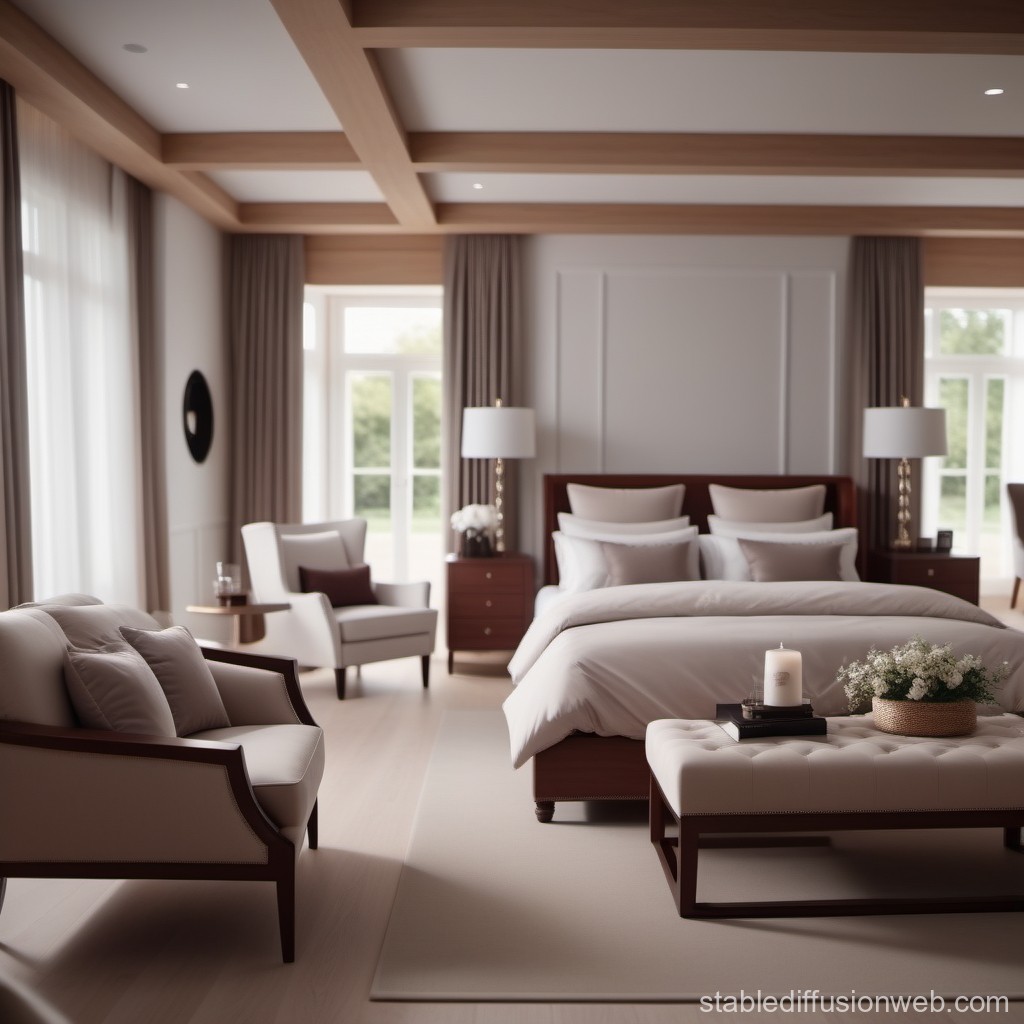
Outdated layouts can make even the largest spaces feel cramped and uninviting. Imagine walking into a room that feels suffocating, despite its ample square footage. This feeling is often a result of poor spatial planning and outdated design choices. This guide dives into the common culprits behind cramped-feeling spaces and provides actionable redesign solutions. We’ll cover a range of practical tips and innovative ideas, from strategic furniture placement to incorporating clever storage solutions. We’ll also touch upon the influence of color schemes and lighting on the perception of space. Ready to create a more spacious and inviting atmosphere? Let’s begin!
Identifying the Culprits of a Cramped Feel
Poor Furniture Placement
Overcrowding a space with too much furniture is a common culprit of making a room feel cramped. Avoid placing furniture too close together or against walls, and focus on creating adequate walking paths to allow for smooth movement. Ensure there are enough pathways to move through the space. Consider a minimalist approach, where functional furniture pieces replace an excess of aesthetic items. Large furniture pieces can overwhelm a smaller space, so consider using scaled-down furniture options. Too many bulky pieces can make the space feel cluttered.
Inflexible Layout Designs
Related Post : New Fixtures Not Fitting Properly? What to Measure Before Buying
Outdated layouts often involve inflexible designs that don’t adapt to modern living needs. For example, a living room might have a traditional, formal layout, which doesn’t promote flexibility and interaction. Modern layouts prioritize flexibility, allowing the space to transform to accommodate different activities.
Inadequate Lighting
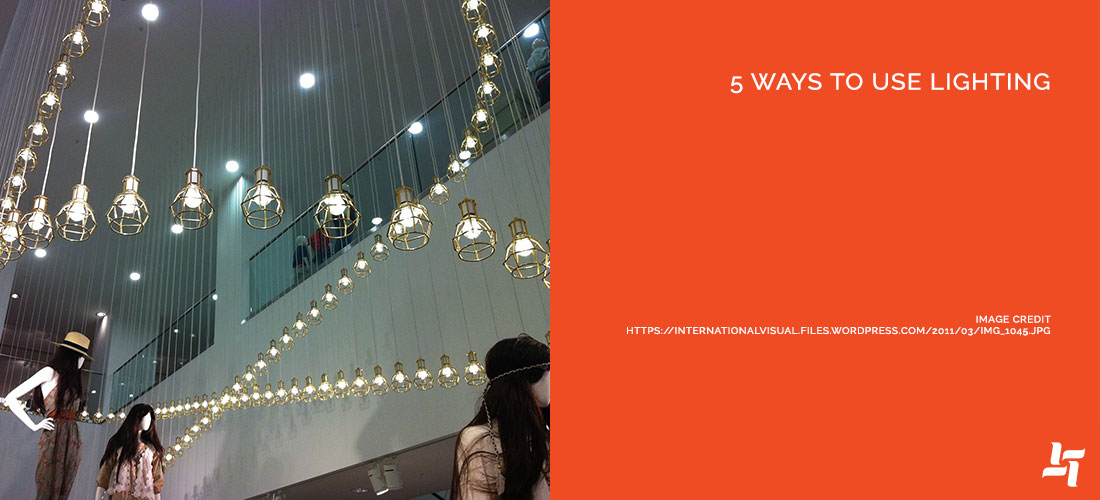
Dim lighting can make a room appear smaller than it is. Utilize natural light as much as possible and add strategically placed lamps to highlight key features and create a sense of depth.
Strategic Furniture Placement
Multifunctional Furniture
Multifunctional furniture pieces are excellent for optimizing space in a modern home. Examples include sofa beds, ottomans with storage, and coffee tables with drawers. This approach allows you to make the most of your limited square footage without sacrificing comfort or functionality.
Choosing the Right Scale
Pay attention to the scale of your furniture when furnishing a space. Choosing pieces that match the size of the room is crucial. Large furniture in a small room can overwhelm the space, while diminutive pieces can appear lost or out of proportion.
Creative Storage Solutions
Clever storage solutions are paramount for making a room feel spacious and uncluttered. Maximize vertical space by using tall bookcases, shelves, or cabinets. Incorporate wall-mounted storage to save floor space and make the room feel larger. Consider using storage ottomans or benches that can double as seating and storage solutions.
Reimagining the Layout
Open Concept Design
Breaking down walls to create an open-concept design can dramatically increase a room’s sense of space. It can enhance the flow of traffic and make the space appear more expansive. For example, merging a living room and dining area can significantly improve a space’s visual appeal. By implementing open-concept designs, rooms feel more spacious and connected.
Utilizing Mirrors
Strategically placed mirrors can visually expand a room. Reflecting natural light and enhancing the perceived depth of the room can make a big difference. Mirrors can make a room appear larger and more illuminated. Experiment with different mirror placements, like using a large mirror on a wall to bounce natural light, making the space feel larger. Consider using mirrors to enhance the feeling of space and depth in your rooms.
Incorporating a Color Scheme for Visual Deception
Light and neutral colors have the power to make a room feel larger. Avoid using dark colors or heavy patterns that can overwhelm the space. Opt for a color palette that complements the light and gives an illusion of space.
Maximizing Natural Light
Utilizing Sheer Curtains
Sheer curtains can effectively diffuse light while maintaining some privacy. Drape the sheer curtains to let maximum natural light into your space, making it look and feel significantly larger. Use light and airy fabrics, and keep the curtains flowing so the space doesn’t feel cluttered. Sheer curtains can let light pass through while maintaining privacy, making a space feel larger.
Decluttering and Minimalism
Decluttering is an important factor in making a space feel less cramped. Removing unnecessary furniture or items that are no longer used will immediately increase the perception of spaciousness. Minimizing the visual clutter in the room is a simple step that can make the space feel more spacious. Decluttering will improve the sense of spaciousness, freeing up visual space.
Strategic Use of Flooring
Large-scale flooring can enhance the feeling of openness and spaciousness. Consider light-colored options for maximizing the appearance of a larger room. Light flooring helps make a space feel airy and larger. The seamless flooring design also creates an expansive visual impression.
Lighting Design for Spatial Enhancement
Strategic Lighting Placement
Strategically positioned lighting fixtures can dramatically alter the way a room appears. Place light fixtures where they’ll cast the most light. Use lights that will bounce light around the space and create a sense of depth. Strategically placed lamps can highlight key features and create a sense of depth, making a room feel more spacious.
Incorporating Natural Light
Utilize natural light as much as possible. Open curtains, remove heavy blinds, and consider adding skylights to increase natural light penetration. Maximize the amount of natural light filtering into your space. Sunlight instantly brightens the environment and makes it feel larger and more open.
Creative Storage Ideas
Built-in Storage
Built-in storage solutions are an excellent space-saving approach. Built-in cabinets or shelves can seamlessly integrate with the room’s design while effectively storing items without taking up valuable floor space. Built-in storage can streamline the look of a space while optimizing space usage.
Reimagining the Color Palette
Light and Neutral Hues
Light and neutral colors tend to make a room feel larger and more spacious. Employ a color scheme that promotes this, while keeping things modern and stylish. Light colors make a space feel brighter and more open. Use lighter colors to amplify the visual space.
Adding Greenery
Strategic Placement
Strategic placement of plants can add life and visual interest without overwhelming the space. Consider incorporating potted plants, indoor trees, or other greenery into your room design. Strategic placement of plants can introduce a pop of color and life to the space. Choose plants that will complement the overall design.
Conclusion (repeat): In conclusion, outdated layouts can significantly impact a space’s feel, making it appear cramped and uninviting. By implementing simple redesign solutions, you can revitalize your spaces and enhance their functionality. Consider the aforementioned tips to revitalize any room and create a space you love. Ready to transform your space? Check out our guide on [link to related resource].
In conclusion, outdated layouts can significantly impact a space’s feel, making it appear cramped and uninviting. By implementing simple redesign solutions, you can revitalize your spaces and enhance their functionality. Consider the aforementioned tips to revitalize any room and create a space you love. Ready to transform your space? Check out our guide on [link to related resource].