Mattress sagging too soon can be a frustrating and unwelcome issue for anyone looking for a good night’s sleep. It can lead to discomfort, back pain, and a decrease in overall sleep quality. This thorough guide delves into the key causes and effective solutions for this common problem. We will explore the varied factors that contribute to mattress sagging, from the intrinsic design of the mattress to your own sleep habits. We will explore solutions such as proper mattress maintenance and how to select a mattress that can stand up to the test of time. This article is divided into sections focusing on the varied factors contributing to sagging and the practical steps you can take to remedy this issue. We’ll cover everything from mattress materials and support to sleep positions and maintenance routines.
Understanding Mattress Sagging: Causes and Solutions
Mattress sagging too soon can be a major source of discomfort and disrupt a good night’s rest. The problem typically arises when the mattress loses its initial support over time, leading to an uneven sleeping surface. This is frequently attributed to the inherent design of the mattress, but it can also be a outcome of other factors like improper application and environmental influences. This article explores the critical factors that contribute to premature sagging, from the quality of materials to your nightly sleeping habits, offering actionable tips and strategies to maintain a supportive and comfortable sleep surface. It highlights the importance of selecting a high-quality mattress with appropriate support and maintaining proper sleeping habits.
Materials and Construction of the Mattress
The materials used in a mattress and how they are constructed play a significant function in its overall durability and support. Low-quality materials and poor construction often outcome in faster sagging. Mattresses employing inexpensive foams or springs may offer less support over time, potentially leading to sagging more quickly than a higher quality mattress.
Support Systems: Springs and Foundations
The inner spring system is fundamental to a mattress’s support structure. Defective springs or inadequate spring count may outcome in uneven support and eventual sagging. The type of spring system, whether innerspring, pocket coils, or other designs, directly influences the durability and support capabilities of the mattress. A mattress with poor spring support will likely sag more rapidly over time compared to one with a robust system. A solid bed frame can also contribute significantly to a mattress’s lifespan.
Influence of Mattress Size and Weight distribution
The size of the mattress matters. Larger mattresses with more surface area might be more susceptible to sagging, especially if weight distribution across the surface isn’t uniform. This can occur if a couple sleeps variedly, with one person heavier or with varied positions that cause pressure points. An understanding of the user’s weight and sleep position is essential when selecting a mattress.
Sleep Habits and application Patterns
Frequent sitting on a mattress or excessive movement while sleeping can accelerate the sagging process. These actions generate extra stress on specific areas of the mattress, potentially leading to faster wear. Incorrect sleeping positions can also significantly contribute to sagging. For example, sleeping predominantly on one side can put extra pressure on that side of the mattress.
Environmental Factors
Environmental conditions, such as humidity and temperature fluctuations, can also affect the longevity of a mattress. High humidity or excessive dryness can affect the moisture levels of the mattress materials, potentially affecting their elasticity and contributing to premature sagging. Exposure to extreme temperatures can also lead to a loss of firmness.
Prevention Strategies
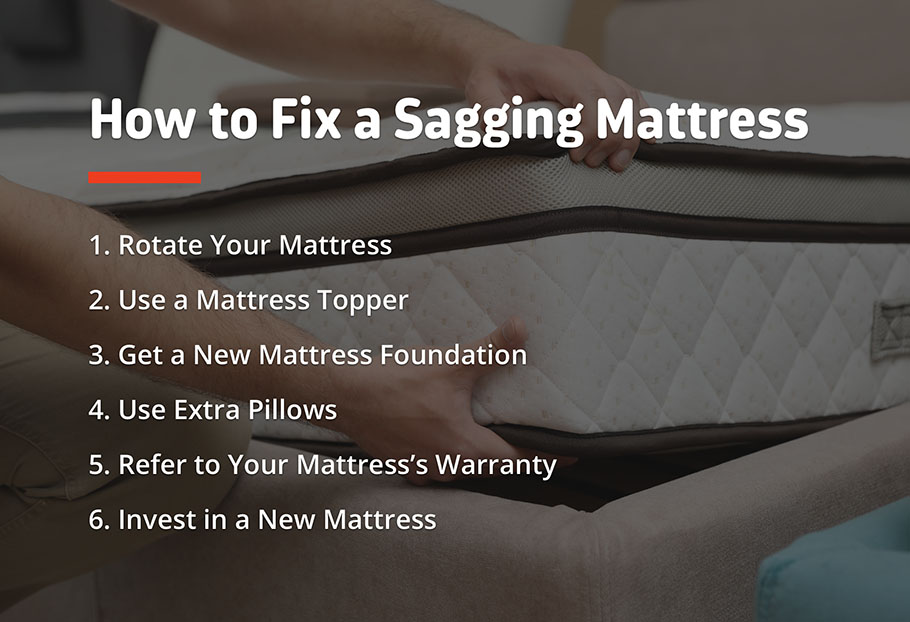
Taking proactive steps can significantly extend the lifespan of your mattress and prevent premature sagging. Regular rotation and flipping of the mattress can evenly distribute stress across the surface. This practice can slow down the uneven wear that leads to sagging. Following the manufacturer’s instructions for mattress maintenance and care is crucial for extending its lifespan. This might include avoiding placing heavy objects on top of the mattress. A regular mattress cleaning can extend the lifespan of your mattress. In instances of extensive sagging, consider replacing the mattress if sagging reaches a point where it compromises sleep quality and comfort.
Addressing Sagging: Repairing or Replacing
Assessing the extent of sagging is crucial. If the sagging is minor, simple measures like rotating the mattress regularly, ensuring it’s placed on a suitable and supportive bed frame, and following a consistent sleep routine may help to minimize further sagging. A mattress topper can also offer additional support and comfort.
Choosing a Durable Mattress
selecting a high-quality mattress is essential for long-term support. A mattress with a strong support system, high-quality materials, and proper construction is less likely to sag prematurely. Carefully considering the mattress material, support system, and overall construction can greatly improve its long-term lifespan. studying varied types of mattresses, reading reviews, and checking for certifications can help in this process.
In conclusion, mattress sagging too soon is a common issue with several contributing factors. Understanding these causes, from poor support to improper use, is crucial for preventing premature sagging and extending the lifespan of your mattress. By following our recommendations, you can maintain a supportive sleep surface and ensure you’re getting the optimal possible rest. Investing in a quality mattress, ensuring proper support and maintenance, and selecting a suitable sleep position can significantly boost your mattress’s lifespan. For more personalized advice or to explore varied mattress types, consider consulting with a sleep expert or visiting a reputable mattress store.