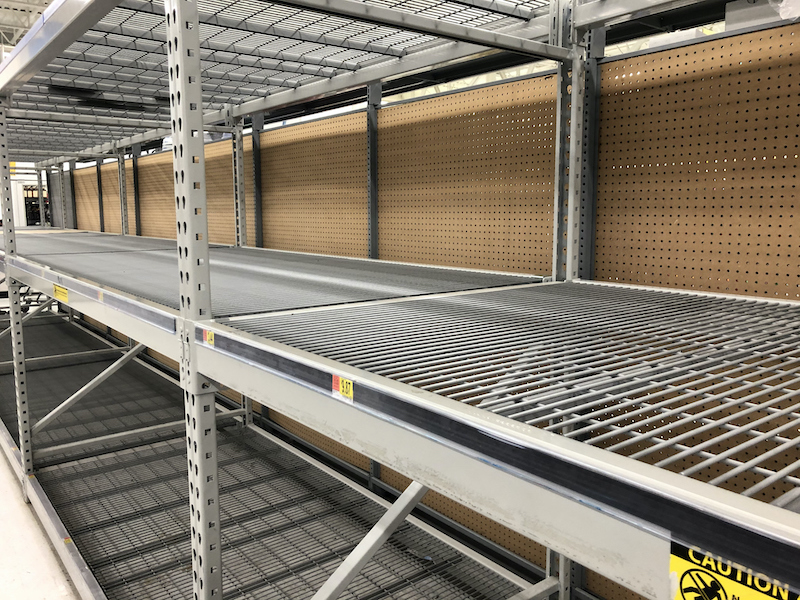
Material shortages are stalling progress across numerous industries, disrupting project timelines and impacting profitability. This comprehensive guide delves into the critical issue of material shortages, exploring effective strategies for rapidly sourcing alternative materials and maintaining project momentum. We’ll define the problem, analyze the factors contributing to these shortages, and provide actionable solutions for businesses facing this challenge. This guide will structure around understanding the causes of material shortages, examining various alternative material sources, and presenting effective procurement strategies. We’ll conclude with actionable steps to implement these strategies and mitigate potential future disruptions.
Understanding the Root Causes of Material Shortages
Material shortages are a complex issue, stemming from a multitude of interwoven factors. A deeper understanding of these causes is crucial for developing effective solutions. Disruptions to global supply chains, including geopolitical events, natural disasters, and pandemic-related disruptions, can create significant bottlenecks. Demand fluctuations, especially during periods of rapid economic growth, can outstrip supply, leading to shortages. Increased demand for specific materials, driven by growing industries like renewable energy or electric vehicles, can also create imbalances.
Supply Chain Disruptions: The Global Contagion
Global supply chains are intricate networks, and any disruption in one part can have a domino effect throughout the entire system. Geopolitical events, trade wars, and natural disasters can cause significant disruptions. For example, the COVID-19 pandemic drastically impacted transportation, manufacturing, and distribution, resulting in unprecedented supply chain disruptions across the globe. These disruptions can lead to extended lead times and uncertainty, impacting businesses’ ability to maintain their production schedules.
Demand-Supply Imbalances: The Perfect Storm
Often, material shortages occur when demand for a particular material exceeds its available supply. Such imbalances may be temporary or persistent. An example of this is the increasing demand for certain rare earth minerals, used in various electronic devices. The rapid growth in the electric vehicle sector has further exacerbated this issue. The mismatch between supply and demand results in higher prices and increased competition among buyers, highlighting the vulnerability of projects reliant on specific materials.
Exploring Alternative Materials: A Creative Approach
Finding suitable alternative materials is a crucial aspect of mitigating the impact of material shortages. The key lies in exploring a diverse range of potential substitutes, taking into account factors like cost, performance, and sustainability.
Identifying Suitable Alternatives
Careful research and analysis are essential when identifying alternative materials. Considering the technical specifications and performance requirements of the original material is vital. A suitable substitute should ideally meet the same or similar quality standards while being more readily available or less prone to shortages. For instance, if a manufacturer relies on a particular type of steel, searching for comparable alloys, or examining different steel types with the same properties, should be considered.
Evaluating Cost-Effectiveness
The economic viability of an alternative material is critical. Factors such as cost of acquisition, processing, and integration must be considered. Comparing the total cost of ownership—including material costs, labor, and potential maintenance—of the alternative against the original material is essential for informed decision-making. For example, if the alternative material is significantly cheaper, the financial benefits may outweigh any potential drawbacks in performance.
Related Post : Remodeling Budget Going Over Fast? How to Regain Financial Control
Implementing Strategic Procurement Strategies
Building robust procurement strategies is essential for mitigating supply chain risks and ensuring consistent material supply. Diversifying suppliers is a primary strategy. This involves establishing relationships with multiple suppliers to reduce reliance on a single source. Collaborating with suppliers to share risk and information, and proactively identifying potential disruptions is crucial. Developing strong relationships with reliable suppliers is essential to securing consistent material supply and favorable pricing. Implementing proactive inventory management systems is critical for mitigating potential shortages. These systems allow businesses to anticipate future demands and ensure adequate stock levels. For example, utilizing forecasting models that account for historical trends, seasonal variations, and potential external factors, is essential for informed decision-making.
Fostering Strong Relationships with Suppliers
Building strong, long-term relationships with suppliers is key to navigating material shortages. These relationships provide access to valuable information about material availability, potential disruptions, and alternative options. Trust and open communication are vital for effectively managing expectations and proactively mitigating risks. Establishing clear communication channels, and regularly assessing vendor performance, enables businesses to maintain a high level of visibility and responsiveness. For instance, establishing clear contracts with a variety of vendors will allow your business to be prepared should issues arise with one vendor.
Adapting Production Processes: A Holistic Approach
Material shortages often necessitate adjustments to production processes. Analyzing process inefficiencies or unnecessary steps can identify areas for improvement in terms of material usage, minimizing waste, and maximizing output. Implementing lean manufacturing principles can yield significant improvements in efficiency and reduce reliance on specific materials. A holistic approach to production optimization is critical for reducing waste, maximizing output, and streamlining processes, especially in times of disruption.
In conclusion, navigating material shortages requires proactive sourcing strategies, innovative solutions, and a flexible mindset. By understanding the root causes, exploring alternative materials, and fostering strong relationships with suppliers, businesses can overcome these challenges and ensure continued progress. If you’re facing material shortages, consider reaching out to experienced sourcing consultants for expert guidance and a tailored plan. Contact us today for a free consultation!