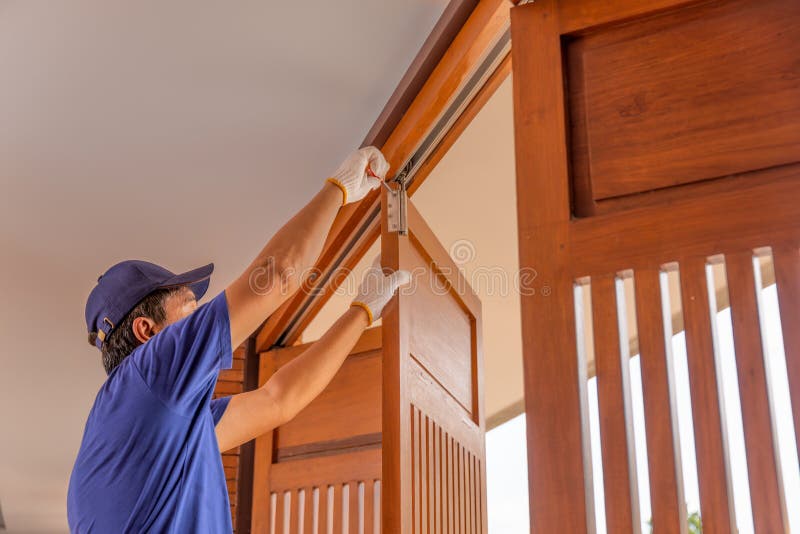
Locks not securing properly can be a significant source of frustration and, in some cases, a genuine security concern. This thorough guide dives deep into troubleshooting and resolving issues with locks that aren’t working as they should, particularly in window applications. We’ll cover everything from understanding the root causes to implementing practical solutions. The guide is structured into sections that address common lock problems and offer concrete steps for effective restoration. Each section will delve into potential causes, offer detailed procedures, and illustrate them with real-life examples. We’ll offer practical advice for DIY repairs and suggest when professional help is necessary.
determineing the Culprits: Common Reasons for Locks Not Working
External Factors Affecting Lock Operation
Many factors outside the lock itself can impact its functionality. Environmental conditions like extreme temperatures, moisture, and dust can clog the mechanisms. Incorrectly applied force when locking or unlocking the window can also contribute to the problem. These external factors often lead to sticking, jamming, or complete malfunction. Consider the function of elements such as rain, snow, or excessive humidity in corroding the metal parts. Poor maintenance can accumulate debris and damage the lock, rendering it ineffective. For example, if a window is frequently exposed to water, over time, moisture can weaken the lock components and make it difficult to operate.
Internal Mechanism Issues
Problems often arise from internal lock mechanisms. Worn-out springs, misaligned parts, or damaged internal components can outcome in a lock not securing properly. This can happen due to repeated use or misuse, possibly caused by incorrect key insertion or excessive force. If the key doesn’t insert easily or the locking mechanism feels stiff, it could indicate a problem within the internal workings. For instance, if a spring is broken, the lock may not close or lock securely. It’s essential to pay attention to these internal mechanisms to maintain proper function and security.
Troubleshooting Specific Lock Problems
Related Post : Drafts Coming Through Closed Windows? How to Seal Air Leaks Effectively
Addressing Sticking Issues
Sticking locks can be a frustrating yet common problem. It often outcomes from accumulated debris, such as dust or dirt, within the locking mechanism. To address this, first, ensure all visible debris is removed. Using a small brush or compressed air can be effective. If the lock still sticks, try lubricating the moving parts with a proper lubricant, such as white lithium grease. Apply a small amount to the keyway and locking mechanism, ensuring not to overuse the lubricant. Excessive lubricant can attract more debris. In cases of severe sticking, consider professional help. An expert can assess the lock’s condition and determine if internal parts need replacement or repair.
Dealing with Jammed Locks
Jammed locks present a more significant challenge. These problems usually arise due to forceful or improper use, or potentially from damage to the lock cylinder. For minor jams, carefully and gradually work the locking mechanism to dislodge any obstructions. In severe cases, a damaged key may cause the lock to jam; try a varied key or seek professional help. If the lock seems significantly damaged, avoid forceful attempts, as it might cause further damage or render the lock unusable.
Examining Broken Locks
A broken lock presents an urgent need for replacement. Signs of broken components or extensive damage, like visible cracks or bent parts, often signal that the lock is beyond repair. While some minor issues can be resolved with lubrication or cleaning, a broken lock needs immediate attention, especially for window security. Consider replacing the lock with a sturdy and secure replacement.
Maintaining Lock function: Preventative Measures
Regular Cleaning
Regular cleaning and maintenance are critical in preventing lock malfunctions. Clearing any accumulated debris, such as dust and dirt, ensures that the moving parts operate smoothly. Use a soft-bristled brush or compressed air to clean the lock mechanism. Avoid using harsh chemicals, as these might damage the metal components.
Lubrication
Lubrication, performed on a schedule, extends the lifespan of the lock. Regular lubrication of the moving parts with a proper lubricant can prevent friction, allowing the lock to function smoothly and quietly. White lithium grease is a popular choice. Remember to apply a small amount and avoid over-lubricating, as excessive lubrication may attract debris.
Inspection
Regular visual inspections can help catch minor problems early. Check for visible damage to the lock components or signs of wear and tear. Any unusual sounds or resistance when operating the lock require attention. These proactive steps can help prevent more significant issues.
Seeking Professional Assistance
When Professional Help is Required
In cases of complex lock mechanisms, significant damage, or specialized needs, professional assistance might be necessary. When confronted with problems you cannot address yourself, it is wise to seek expert help from a locksmith. They possess the expertise and tools to accurately diagnose and rectify the problem, ensuring the lock functions efficiently and enhances your home’s security. Consider contacting a locksmith if there’s significant damage or if you’re uncertain about the optimal course of action.
Choosing a Reliable Locksmith
selecting a reliable locksmith is crucial. Look for licensed and insured locksmiths with positive reviews and experience with similar jobs. Be sure to discuss the nature of the problem thoroughly before scheduling an appointment. Getting multiple quotes from reputable locksmiths can ensure you make an informed decision. Compare their expertise and pricing to find the optimal solution for your needs.
Restoring Window functionality
determineing the Window Lock Type
Understanding the type of window lock is essential in diagnosing and resolving issues. varied types of locks function variedly. Determine the exact locking mechanism in the window to determine the optimal course of action.
Implementing the Appropriate Repair
determine the specific issue with the window lock and apply the appropriate solution. If the problem stems from a damaged internal component, it’s recommended to get a replacement part. If the issue is corrosion or obstruction, cleaning and lubrication are effective solutions. A skilled technician or a locksmith should be consulted for complex situations.
Additional Tips
Choosing the right replacement part
Choosing the correct replacement part for a window lock is critical for ensuring proper function and security. study the specific lock mechanism or consult a home improvement professional or locksmith to acquire the correct replacement. If the lock type is unknown, it’s advised to contact a local locksmith.
Key Preservation
Properly storing keys and preventing damage is essential. Avoid bending or damaging keys to prevent jamming or malfunctions. Store your keys in a safe and secure location to prevent accidental damage or loss.
Emergency Measures
Temporary Solutions
If a lock is malfunctioning and immediate access is crucial, temporary solutions can be put in place. Consider alternative methods or security measures to access the window until the problem can be resolved. For instance, if the lock is jammed, you might use a spare key or a similar-sized object to lever open the window. Remember, temporary solutions are merely that and should not be considered permanent security measures.
Advanced Troubleshooting Techniques
Diagnostic Tools
Consider using tools or methods for diagnosing the specific issue. For example, a locksmith might use a specialized lock pick set, or a video camera might help in visualizing complex situations.
Advanced Lock Mechanism Considerations
Specialized Locks
Some locks are particularly complex or sophisticated, requiring specialized knowledge and tools. In such situations, it’s advisable to seek professional help from a skilled locksmith to accurately assess and rectify the situation. Complex locks might require unique techniques or specialized replacement parts to ensure security and efficient operation. These specialized locks are frequently used for enhanced home security and should be serviced by a trained locksmith.
In conclusion, understanding the root causes of locks not securing properly is crucial for maintaining security and preserving the functionality of windows. By systematically determineing the problem, implementing appropriate solutions, and regularly maintaining your locks, you can restore full window functionality and enhance overall safety. This thorough guide offers a roadmap for troubleshooting and resolving common issues. For more detailed information or assistance with specific situations, consult a locksmith or a qualified home improvement professional. Visit [website address] for further resources and insights into window security.