Light bulbs burning out quickly can be a frustrating and costly issue. It impacts both your home’s aesthetics and your wallet. Light bulbs are a fundamental part of our daily lives, and a steady, reliable source of light is crucial. This article explores the reasons why light bulbs burn out quickly and offers practical tips on choosing longer-lasting options. We’ll cover various types of light bulbs, from energy-efficient LED bulbs to traditional incandescent bulbs, and provide insights into factors such as wattage and bulb quality. This detailed guide will provide actionable steps you can take to ensure your light bulbs last much longer, saving you time and money.
Understanding Bulb Lifespan
Factors Affecting Bulb Longevity
The lifespan of a light bulb isn’t solely determined by its manufacturing quality. Several factors influence how long a bulb will last. These include the type of bulb, the wattage, the brand, and even the environment in which the bulb is installed. Environmental factors such as temperature fluctuations, voltage surges, and consistent use can all have a negative impact on a light bulb’s lifespan. A bulb that experiences frequent on/off cycles or extreme temperatures will likely have a shortened lifespan. Knowing these factors can help you make smarter purchasing decisions, allowing you to save money in the long run.
Common Reasons for Quick Burnouts
Related Post : Kitchen Sink Draining Slowly? Easy Tips to Clear Blockages Fast
Several common culprits contribute to premature bulb failure. Voltage fluctuations in your home’s electrical system can cause the bulb to overheat, shortening its life. Poor quality bulbs from less reputable manufacturers may not meet the quality standards of those from a major brand, which are more likely to last longer. Harsh environments, like a damp or dusty area, can quickly degrade the bulb’s components and trigger a burnout.
Types of Light Bulbs
Incandescent Bulbs
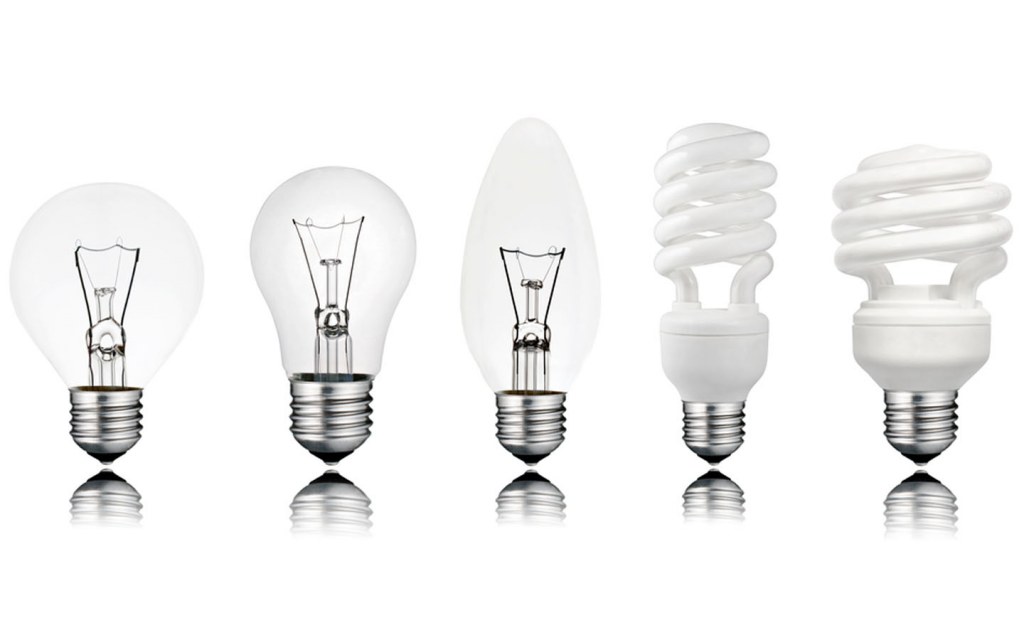
Incandescent bulbs are the traditional type, known for their warm, inviting light. However, they generally have a shorter lifespan and are less energy-efficient than other options, using more energy to produce the same amount of light. You might see the wattage printed on the bulb, representing its energy usage. This traditional style will likely need more frequent replacements.
LED Bulbs
LED (Light Emitting Diode) bulbs have quickly become the most popular choice for their energy efficiency and extended lifespan. LED bulbs use significantly less energy than incandescent bulbs, leading to lower energy bills. They often have more advanced designs, including different brightness levels, color temperatures, and dimming functions.
CFL Bulbs
Compact Fluorescent Lamps (CFLs) represent a middle ground between incandescent and LED bulbs. They are more energy-efficient than incandescent bulbs, but not as energy-efficient as LED bulbs. CFLs have a longer lifespan than incandescent bulbs but shorter than LED bulbs. They might not produce the same brightness and color temperature that incandescent bulbs do.
Wattage and Bulb Choice
Matching Wattage to Needs
Wattage is a crucial consideration when choosing a light bulb. A higher wattage bulb produces more light, but it will also consume more energy and may lead to an accelerated burn-out. Selecting the appropriate wattage ensures you have the right amount of illumination without unnecessary energy waste. Understanding the difference between wattage and lumens is vital, as lumens measure the light output, while wattage measures the energy consumption.
Impact of Wattage on Bulb Lifespan
The wattage rating influences the bulb’s internal components and heat generation. Higher wattage bulbs are more prone to overheating, which directly contributes to a shorter lifespan. Using the appropriate wattage ensures you are receiving the desired illumination without risking a premature bulb failure. Lower wattage bulbs offer the potential for increased lifespan.
Choosing Quality Brands
Reputable Manufacturers
Investing in light bulbs from reputable manufacturers often translates into a longer lifespan. These brands often have stringent quality control procedures, ensuring consistent performance and durability. Look for brands known for their reliability and commitment to quality light bulbs. The reputation and standards of the manufacturing process will significantly affect the lifespan of a bulb.
Warranty and Return Policies
Consider the manufacturer’s warranty and return policies. A generous warranty suggests the manufacturer has confidence in the longevity of its products. A good return policy offers peace of mind if the bulb does not meet your expectations.
Maintaining Your Lighting Fixtures
Dust and Debris
Accumulation of dust and debris around the bulb can cause overheating and reduce its lifespan. Regularly cleaning your lighting fixtures can prevent this. Proper fixture maintenance is key to prolonging bulb life and preventing premature burnouts.
Electrical System Checkups
Inspecting your home’s electrical system for any potential issues, like voltage fluctuations, is crucial. These fluctuations can contribute to frequent bulb burnouts. A professional electrical inspection can help identify any underlying issues impacting your light bulb lifespan and the overall safety of your home.
In summary, choosing the right light bulbs for your needs can significantly impact your energy bills and the longevity of your lighting fixtures. Understanding the factors that contribute to bulb longevity, like wattage, type, and brand, is key to making an informed decision. By considering these factors and prioritizing quality, you can enjoy brighter, more reliable lighting for longer. Visit our online store to browse a wide selection of energy-efficient, long-lasting light bulbs. Click here to discover the options that are perfect for you!