LED lights changing colors without control can be a frustrating issue. This often occurs due to various reasons, ranging from simple wiring errors to more complex problems within the light’s internal circuitry. Understanding the potential causes and troubleshooting steps is crucial to getting your lights working correctly again. This article will delve into the possible problems and provide practical solutions. We’ll explore several potential scenarios, from basic wiring checks to more advanced diagnostic methods. We will cover different types of LEDs and their unique challenges.
Understanding the Problem: Why LED Lights Change Colors Without Control
Common Causes
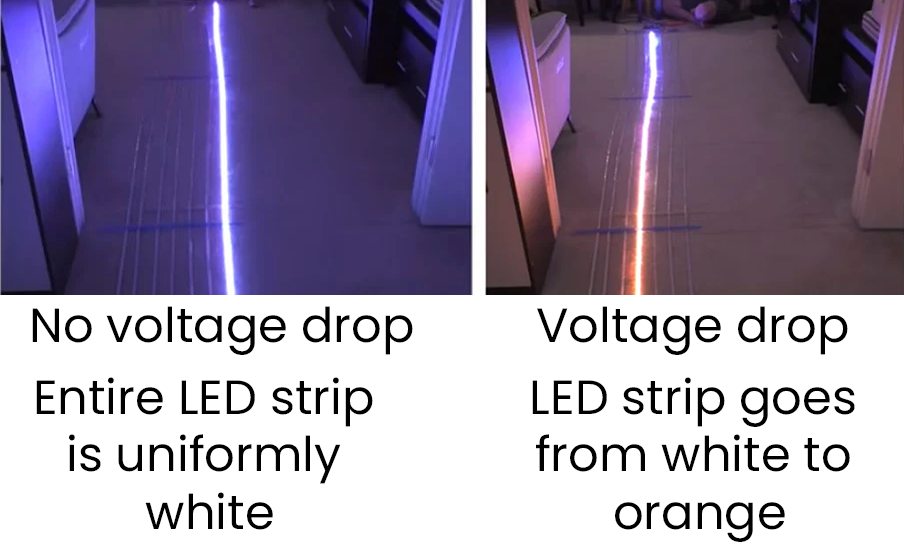
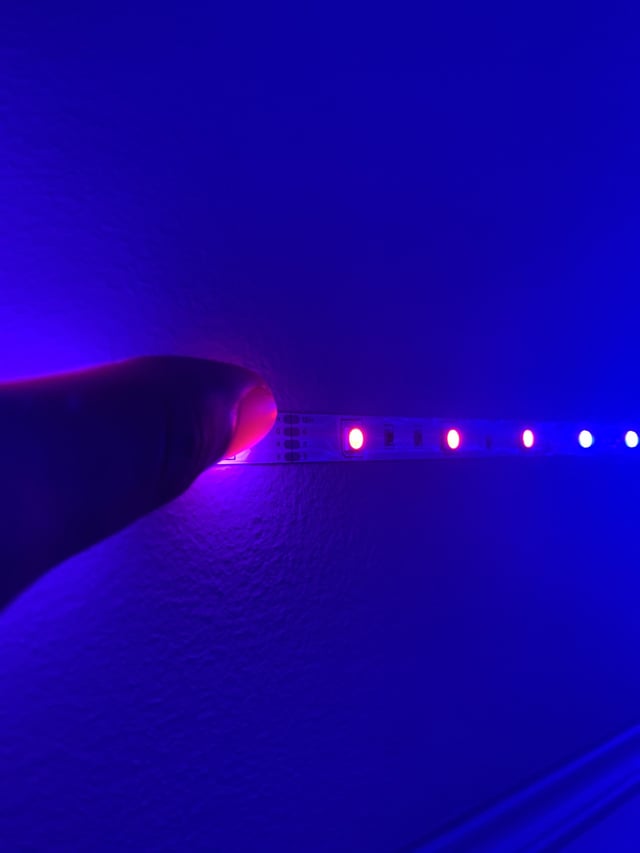
LED lights changing colors without control are a common issue. Several factors can contribute to this problem. One frequent cause is faulty or damaged components within the LED system. Defective LEDs themselves, drivers, or control boards can cause unpredictable color changes. Incorrect wiring connections can also create interference, leading to erroneous color patterns. Sometimes, even external factors, such as fluctuating voltage or interference from other electrical devices, can disrupt the light’s control signals. Furthermore, wear and tear on the LED components, particularly the controller, can lead to inconsistencies in color output or complete failure. This is particularly important for long-term use and LED strips.
Checking Wiring Connections and Connections
Identifying Wiring Errors
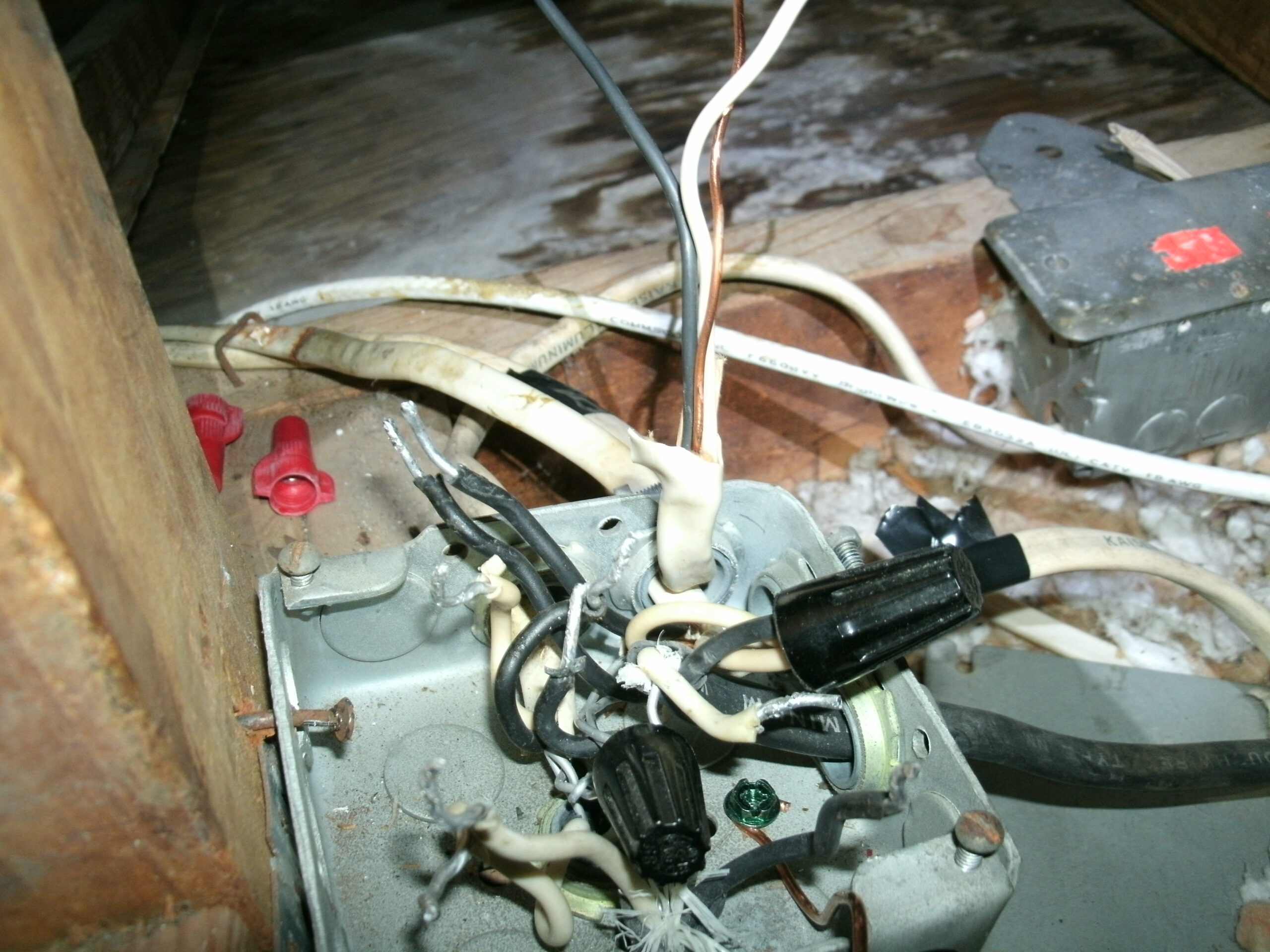
Improper wiring is a frequent source of LED color change issues. Faulty connections or incorrect wiring patterns can interrupt the signals that control the light’s color transitions. Double-check every wire connection in your setup. Look for loose connections, damaged wires, or incorrectly soldered joints. Ensure that all wires are connected firmly to the designated terminals and control boards. Check for any signs of overheating or damage along the wires. A damaged wire may disrupt the color-changing sequence or cause the LED strip to show incorrect colours. Pay close attention to polarity; connecting wires incorrectly can cause a malfunction.
Diagnosing Control Board Issues
Investigating Internal Controller Problems
The control board is the brain of the LED system. Problems within the control board can disrupt color transitions. Inspect the control board for any visible damage or signs of overheating. Ensure that power is flowing correctly to all components and that the voltage levels are within the specified range for your LEDs. Verify the connection integrity between the control board and the LEDs to ensure a stable electrical path. Sometimes, a poorly-designed control circuit can lead to unexpected color changes. In this case, checking the documentation or contacting the manufacturer to ensure the correct wiring and configurations can fix the issue.
External Factors and Interference
Troubleshooting Environmental Issues
Fluctuations in the electrical supply can also affect LED color transitions. Check the power supply and voltage regulation to ensure it meets the LED’s requirements. Interference from other electrical devices in the vicinity can also disrupt the signal sent to the LED lights. Avoid placing your LED lights near strong electromagnetic fields or other devices that could potentially interfere with the signal. Ensure the quality of the power supply by using a dedicated circuit for your LED lights or using a high-quality power supply.
Related Post : Light Fixtures Flickering Intermittently? Troubleshooting Electrical Causes
Troubleshooting LED Strip Lights
Identifying Issues with LED Strips
LED strip lights, commonly used for decorative purposes, are especially susceptible to these problems. Check the length of the strip lights to ensure that they are not exceeding the maximum length specified by the manufacturer. Ensure that each LED chip on the strip is properly connected to the rest of the circuit. Use the proper connectors and soldering techniques, as loose connections can cause color changes or flickering. Check the power supply rating to make sure it’s sufficient for the LED strip’s load. Improper power supply can cause improper lighting function.
In conclusion, LED lights changing colors without control often point to faulty components, improper wiring, or issues with the control board itself. Diagnosing the problem involves systematically checking these areas. If you’re unsure about any of these steps, consulting a qualified electrician is highly recommended. They can accurately pinpoint the issue and provide professional repair solutions to get your lights working as intended. For continued assistance, visit our website for more in-depth guides and troubleshooting tips.