Lamps overheating after short use is a common problem that can be a safety hazard if not addressed promptly. Imagine a bright, new lamp in your home suddenly emitting an uncomfortable amount of heat. This can lead to potential damage and pose a risk to you and your family. This article delves into the causes of this problem and provides practical, actionable tips to prevent lamp overheating and ensure safe lighting in your home. This article will cover lamp overheating causes, preventative measures, and what to do if your lamp overheats, providing clear explanations and practical guidance for maintaining your lamps. We’ll cover everything from faulty bulbs to ventilation issues and explore how to address each concern with specific and actionable steps.
Understanding the Causes of Lamp Overheating
Faulty Bulbs
The most common reason for lamps overheating after short use is the use of incompatible or faulty bulbs. Using a bulb with a higher wattage than the lamp’s maximum rated wattage can significantly increase the amount of heat generated. This excess heat is not only uncomfortable but can also damage the lamp’s internal components, potentially leading to fire hazards and malfunctions. Always check the lamp’s specifications to ensure you are using the correct bulb type and wattage. This will prevent the lamp from overheating prematurely. Also, ensure that the bulbs are properly screwed in to avoid loose connections and other problems.
Poor Ventilation
Insufficient ventilation around the lamp can exacerbate overheating problems. Overheating is a common occurrence when lamps are placed in enclosed spaces or areas with limited airflow. A lack of ventilation causes the surrounding air temperature to rise, resulting in increased heat from the lamp. To prevent this, make sure your lamps have sufficient space around them for proper airflow. Place lamps away from walls, curtains, or other objects that may obstruct airflow. A fan, positioned strategically, can also help improve air circulation around the lamp to reduce overheating.
Internal Component Issues
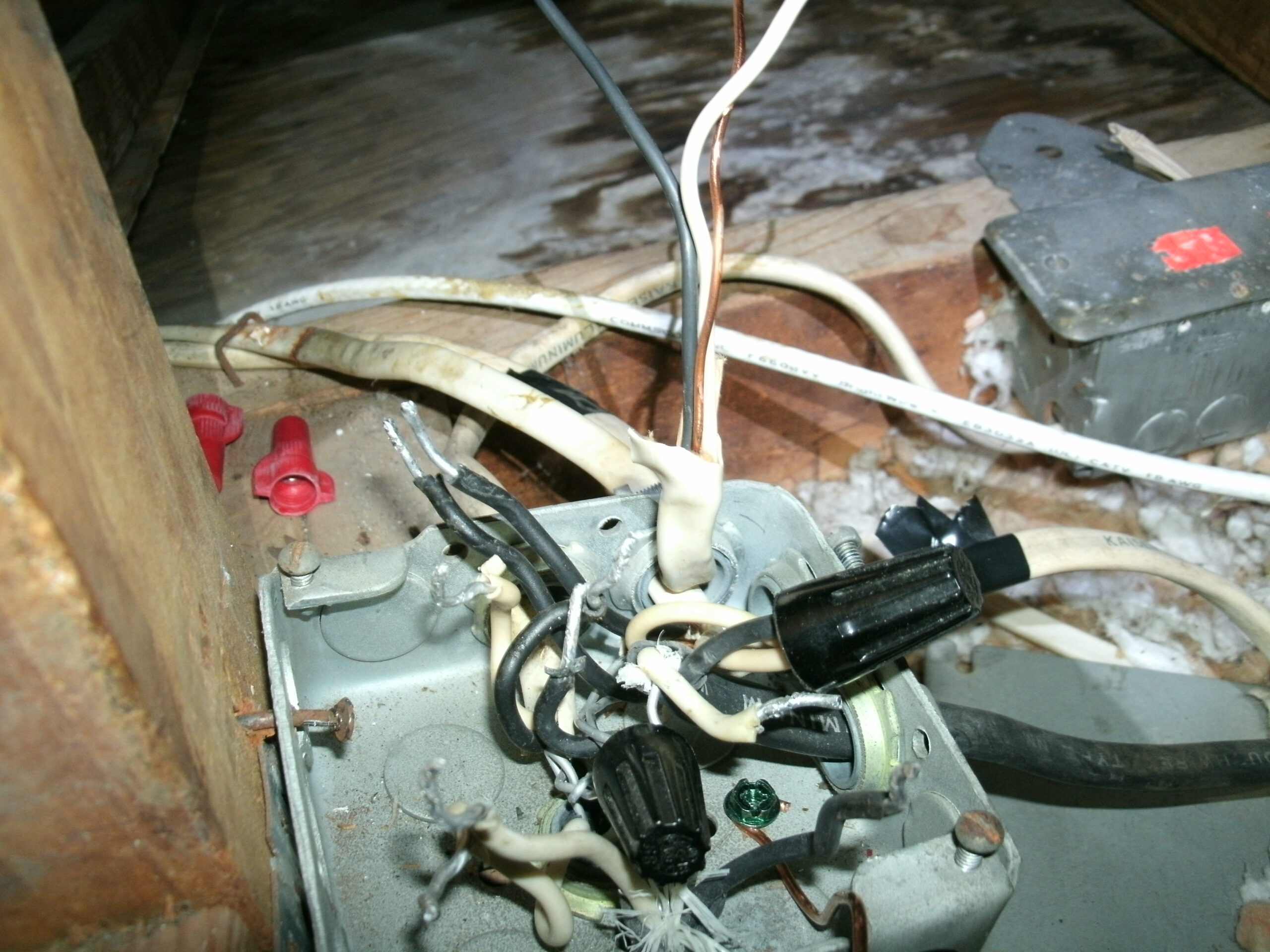
In rare cases, the problem might be caused by a fault in the lamp’s internal components. A faulty transformer, overheating wiring, or a damaged heat sink can lead to abnormal heat generation. If your lamp shows signs of unusual performance after a short use, there may be a problem with the lamp’s internal components. This is not something you should attempt to fix yourself. Consult a qualified electrician or lamp technician to diagnose and repair the issue.
Related Post : Light Fixtures Flickering Intermittently? Troubleshooting Electrical Causes
Preventing Lamp Overheating
Selecting Appropriate Bulbs
Always select bulbs that are compatible with your lamp’s specifications. Referring to the manufacturer’s instructions or the lamp’s label will help you choose the right bulb type and wattage. Using the correct bulb is critical for maintaining a lamp’s optimal performance. By using bulbs with proper wattage, you can prevent the lamp from overheating. Consider energy-efficient bulbs like LEDs, which often generate significantly less heat compared to incandescent bulbs. This can lead to increased energy efficiency and reduce overheating problems.
Maintaining Proper Ventilation
Ensure adequate ventilation around the lamp. Placing your lamp in a well-ventilated area and avoiding covering or obstructing the lamp’s heat vents can help maintain the lamp’s temperature within acceptable levels. Proper ventilation helps keep the temperature around the lamp regulated. This can reduce the risk of lamp overheating and extend its lifespan. Avoid placing the lamp near heat-generating appliances or other sources that might obstruct airflow.
Regularly Inspecting and Maintaining Lamps
Regularly inspect your lamps for any signs of damage, loose connections, or other problems. This includes looking for loose wires, damaged casings, or any irregularities. A comprehensive check-up ensures the smooth operation of the lamp. Addressing any small issue promptly can prevent it from escalating into a more significant problem, such as lamp overheating. If your lamp produces strange noises or smells, it’s vital to address it without delay.
Addressing Overheating Lamps
Identifying the Problem
When your lamp overheats, assess the situation before taking action. If the lamp feels excessively hot to the touch, stop using it immediately. Observe if the bulb is glowing abnormally bright or if the lamp is producing unusual noises. Identifying the precise problem can determine the best course of action to prevent future occurrences.
Contacting a Professional
If the overheating persists or if you are unsure about the cause, contact a qualified electrician or lamp technician. They can diagnose the issue, provide an accurate assessment, and ensure appropriate repairs. A qualified professional has the expertise and tools to identify the source of the problem, whether it’s a faulty component or a design flaw. This is a vital step to avoid potential hazards associated with overheating lamps and ensure your home’s safety.
Safety Measures for Overheating Lamps
Immediate Actions
If your lamp is overheating, take immediate action by unplugging the lamp. Allow the lamp to cool completely before trying to fix it. This is a crucial first step to avoid burns and other potential dangers. Overheating lamps can be a cause for concern if not dealt with correctly.
Preventing Fire Hazards
Avoid using lamps with damaged cords or components. Placing lamps near flammable materials should be avoided. Overheating lamps can be a significant fire hazard if not addressed promptly. Always use the appropriate safety measures to prevent such occurrences.
Additional Tips for Maintaining Lamps
Regularly Cleaning
Regularly clean the lamp’s exterior, ensuring that no dust or debris obstructs the airflow. Clean the lamp’s casing to ensure proper airflow for efficient cooling. Clean the lamp housing regularly to maintain air circulation and prevent overheating.
Checking Bulb Compatibility
Always confirm the compatibility of the bulb with the lamp before installation. Using compatible bulbs helps prevent issues and ensures safe operation of the lamp. The correct bulb ensures the right amount of energy is used and helps avoid overheating. Use only the right bulbs for proper functioning of the lamps.
In conclusion, lamps overheating after short use is a serious issue that can lead to damage and potential hazards. By understanding the causes and implementing preventive measures like proper ventilation, using compatible bulbs, and maintaining your lamps regularly, you can significantly reduce the risk of overheating. Check your lamp’s user manual for specific instructions and consider professional help if you are unsure about any aspect of lamp maintenance. Take immediate action to address any overheating concerns; a small problem can quickly escalate to a larger one. For more information on lamp safety, visit our website!