A slow-draining kitchen sink is a common household problem that can lead to unpleasant smells and potential damage. This article provides easy tips and strategies to clear blockages and ensure your kitchen sink drains smoothly. We’ll explore potential causes, practical solutions, and preventive measures for a fast and effective solution. This guide will detail a step-by-step process, ensuring you handle the situation with confidence and get your sink draining swiftly again! Let’s dive in!
Identifying the Culprit: Understanding Why Your Sink Is Draining Slowly
Common Causes of Clogged Drains
Food particles, grease, soap scum, and hair are the most frequent culprits behind kitchen sink clogs. These debris can easily accumulate in the pipes and gradually restrict the flow, leading to a slow drain. Over time, even small particles can build up, creating a significant blockage and disrupting the normal flow of water. Improper disposal habits are also a major contributor, and neglecting to dispose of certain items correctly can result in clogs.
Inspection and Diagnosis
Start by visually inspecting the sink drain to spot potential causes, like hair or food particles that are clogging the drain opening. In cases where a noticeable blockage isn’t immediately apparent, more intensive methods may be necessary for accurate diagnosis. These steps can help you identify the issue and determine the most effective solution.
Understanding Different Blockage Types
Various blockages can cause a slow drain. Sometimes, a simple cleaning with a drain snake or other tools might solve the problem, while other times a plumber’s assistance might be needed. Pinpointing the root cause of the problem allows you to select the most suitable solution for a swift resolution. Consider the nature of the materials creating the blockage and whether the blockage is localized or systematic.
Removing the Blockage: Effective Solutions for Clogged Sinks
DIY Drain Cleaning Techniques
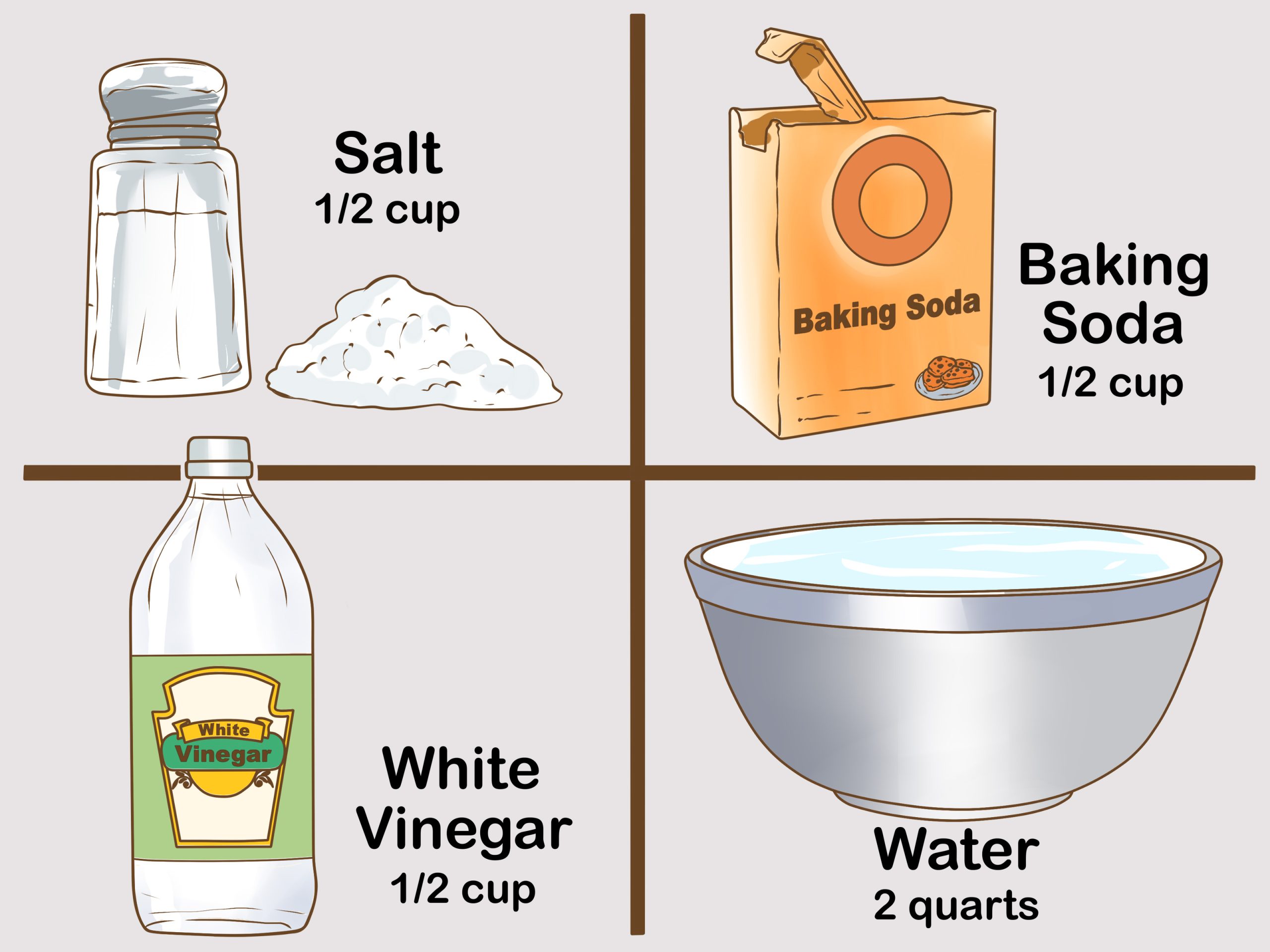
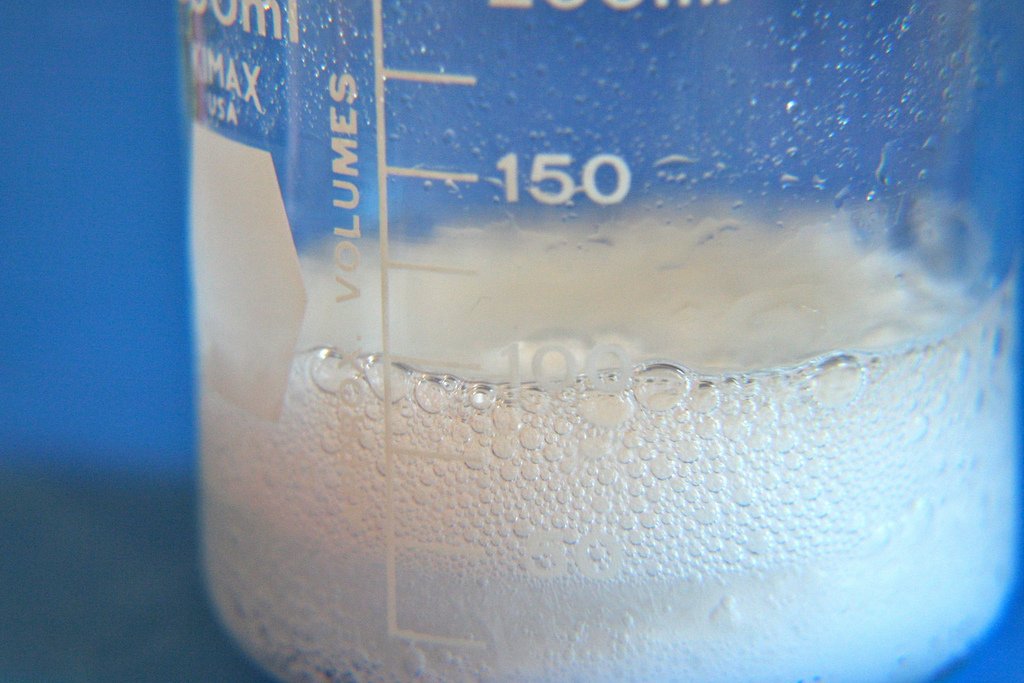
Baking soda and vinegar are often employed as a natural and relatively safe way to unclog a drain. Pouring a mixture of hot water, baking soda, and vinegar down the drain can create a fizzing reaction that disrupts and dislodges blockages. Ensure you let the mixture sit for a time before attempting to flush it with hot water. Use a drain snake to clear blockages that may be deeper in the drain lines. If you suspect a clog is occurring further down, a drain snake or a plumber’s snake can be used to reach and remove the blockage.
Professional Drain Cleaning Services
In cases where DIY solutions don’t work or if you lack the tools, a professional drain cleaning service is a reliable alternative. These experts have the necessary tools and expertise to efficiently clear clogs in a wide range of drain lines, from kitchen sinks to shower drains. A qualified plumber can provide accurate diagnoses, potentially detecting hidden problems and preventing costly repairs or replacements further down the line.
Prevention Strategies: Keeping Your Kitchen Sink Flowing Freely
Regular Maintenance
Regular maintenance is key to preventing future clogs in your kitchen sink. Inspecting the drain regularly and promptly addressing minor blockages can prevent larger issues from developing. Regular cleaning helps to keep your drains free of debris and helps prevent clogs and subsequent slow draining issues. By incorporating these steps into your routine, you can ensure long-term drainage efficiency.
Proper Disposal Habits
Understanding what to dispose of in your kitchen sink drain is crucial to preventing future blockages. Avoid throwing items like grease, coffee grounds, or fibrous food scraps down the drain. By observing simple disposal rules, you can prevent issues down the line and maintain a smooth, efficient drainage system.
Troubleshooting Common Sink Issues
Addressing Grease Buildup
Grease can adhere to the sides of pipes and accumulate over time, causing blockages. Cleaning up grease spills immediately and using drain filters can help prevent this buildup. These preventive measures minimize the risk of clogs and help maintain the efficiency of your plumbing system. Consider using grease traps or specialized drain filters to prevent grease buildup from happening in the first place.
Conclusion
What are the most common causes of a slow-draining kitchen sink?
How can I unclog my kitchen sink drain without calling a plumber?
How often should I clean my kitchen sink drain to prevent clogs?
What items should I avoid putting down my kitchen sink drain to prevent future clogs?
In summary, a slow-draining kitchen sink can be a frustrating issue, but with a bit of know-how, you can tackle the problem efficiently. By understanding the potential causes, from food particles to grease buildup, you can implement the appropriate solutions. Remember to prioritize prevention by regularly maintaining your sink and plumbing. Don’t hesitate to consult a professional plumber if the problem persists or if you feel uncomfortable tackling the issue yourself. With these tips and strategies, you’ll regain the swift drainage you need in your kitchen sink! Happy draining!