Hardwood floors creaking loudly can be a major source of frustration in any home. The rhythmic groan can disrupt peace, and the constant noise can be distracting and annoying. This thorough guide dives deep into the causes of loud hardwood floor creaking and offers practical steps to quiet them down, ensuring a silent and beautiful home environment. We’ll explore various potential culprits, from loose subfloor to subpar installation, providing actionable steps to resolve the issue. This article is structured as follows: first, we will introduce the problem and discuss various causes, then we’ll offer step-by-step troubleshooting methods and solutions, concluding with a concise summary of key takeaways.
Understanding the Problem: Why Your Hardwood Floors Creak
Hardwood floors, renowned for their beauty and elegance, can sometimes develop an unfortunate habit of creaking loudly. This can scope from a subtle, almost imperceptible squeak to a jarring, persistent groan. The culprit behind this issue isn’t always readily apparent. These noises can occur when moisture affects the subfloor, during temperature changes, or after a particular action like moving furniture or heavy footsteps. This pervasive sound often disrupts tranquility, creating discomfort. Understanding the nature of the problem is the first step to resolving the issue. varied types of hardwood floors may have varied susceptibility to creaking, depending on factors such as the type of wood, the installation method, and the environment in which they are placed. determineing the underlying cause is essential for implementing the right solution.
determineing the Source of the Problem
Loose or Shifting Subfloor: A Common Culprit
A common cause of hardwood floor creaking is a loose or shifting subfloor. If the subfloor is uneven or poorly secured, it can cause the floorboards to move and rub against each other, creating the creaking sound. For instance, an uneven subfloor is often a symptom of improper floor leveling or insufficient support beneath the subfloor material. This is particularly true if the floorboards are attached directly to a plywood subfloor. Poor installation of the subfloor is among the most likely causes of creaking floors. This issue is common, especially in older homes or those with a history of floor repairs or renovations. Proper subfloor preparation before installing hardwood flooring is crucial for avoiding future problems. Additionally, improper installation methods during the initial construction of a home can have long-lasting consequences on the condition of the floor, including creaks, wobbles, and other issues.
Expansion and Contraction: Influence of Temperature and Humidity
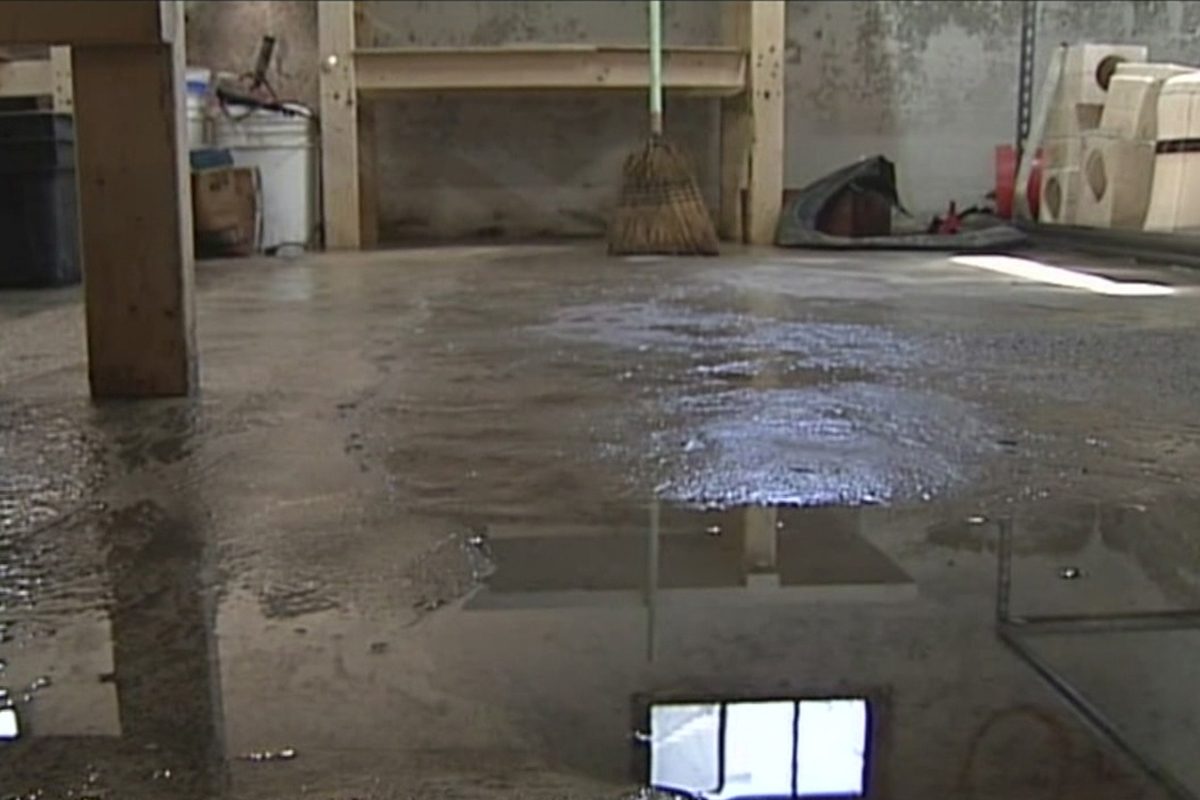
Another primary cause of hardwood floor creaking relates to the natural expansion and contraction of wood. Changes in temperature and humidity levels can cause the floorboards to expand and contract, leading to gaps and friction between the boards. This is particularly evident in rooms exposed to direct sunlight or drafts. These factors may also lead to the wood shrinking or warping, affecting its structure and potentially leading to creaks and groans, further adding to the problem. Keeping the humidity levels in your home stable may help reduce this issue significantly.
Effective Troubleshooting and Solutions
Addressing Loose Subfloor Issues
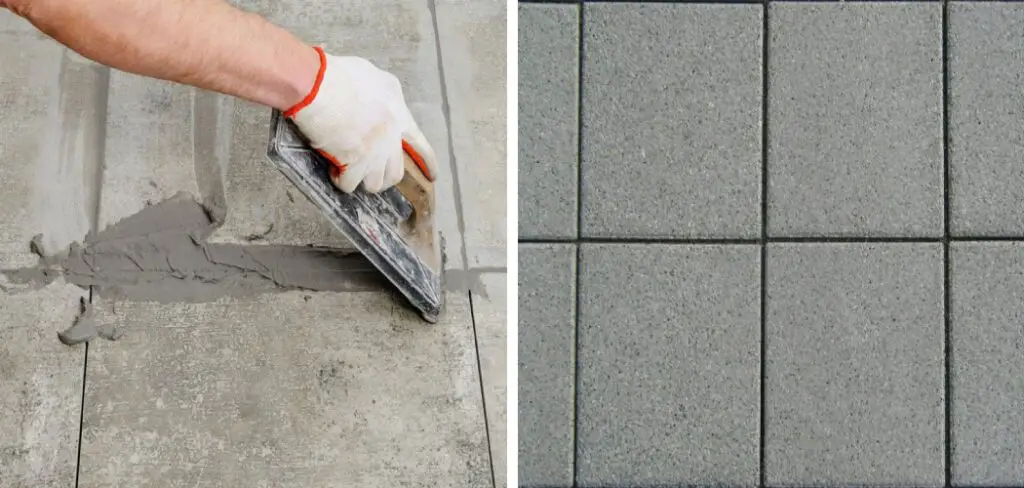
To resolve creaking caused by a loose subfloor, you need to assess the extent of the issue. Start by carefully checking the subfloor for any gaps, uneven surfaces, or loose areas. Fill in any gaps with suitable materials like wood filler or expanding foam, ensuring a firm and even surface to avoid future creaking. If the issue is with the subfloor’s overall structural integrity, you might need to contact a professional to ensure proper floor leveling. Professional assistance is often the optimal option to prevent further damage to your floors. A professional carpenter can inspect and repair the subfloor to guarantee a strong, reliable base for your hardwood floors.
Using Shims and Spacers
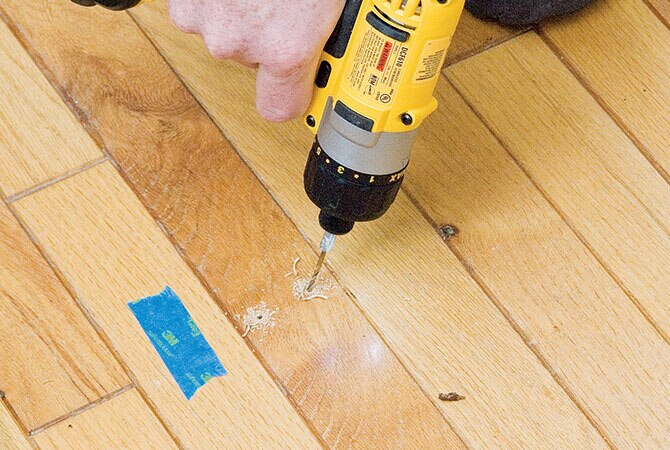
Shims and spacers are inexpensive and effective solutions for minor creaks caused by gaps or uneven surfaces under the hardwood planks. Applying shims carefully under the floorboards in problematic areas can help level the floor, eliminating the contact point that causes the creaking. Use shims to adjust the gaps and spaces that might cause the floor to creak. A shim placement technique is crucial for accurate outcomes; incorrect placement can actually worsen the problem, possibly leading to further damage to the floors. A detailed examination of the creaking points is necessary for a achievementful shim application.
Preventing Future Creaks
Proper Installation is Key
The single most crucial step to prevent future creaks is meticulous installation. A professional, well-trained installation team will ensure a stable and even subfloor that prevents shifting and movement. Hiring experienced installers ensures the floor is correctly installed and leveled from the ground up, promoting structural integrity. Regular inspection and maintenance will help extend the life of the hardwood floor installation. A well-installed hardwood floor is less susceptible to issues like creaking, and this cost-effective prevention measure guarantees long-lasting silence and longevity in your flooring.
Moisture Control
Controlling moisture levels in your home can significantly reduce creaking problems. Fluctuations in humidity levels cause the wood to expand and contract, leading to creaks. Use a humidifier or dehumidifier to maintain consistent humidity levels within your home’s comfort scope. Keeping humidity levels within the appropriate scope can drastically reduce floor creaking due to expansion and contraction. A well-maintained and well-controlled environment, including temperature and humidity, can considerably minimize creaking issues within your hardwood floor.
Maintenance and Inspection
Regular Inspection
To prevent major issues down the line, make sure to regularly inspect your hardwood floors for any signs of wear or damage. This includes checking for any loose or damaged planks, signs of moisture damage, and any signs of swelling or contraction of the wood. Early detection of these issues can prevent more serious problems from occurring and will save you time and money. A timely inspection and maintenance schedule is crucial for ensuring the longevity of the hardwood floors.
Addressing any issues quickly
Addressing any minor creaks or sounds as soon as possible can help prevent further damage and maintain a quiet and appealing interior environment. When detecting creaks, act promptly to address them to prevent bigger problems in the future. Ignoring the initial signs can lead to more expensive repairs in the long run, highlighting the importance of proactive maintenance in preserving the integrity of the hardwood flooring.
In conclusion, hardwood floor creaking is a common issue that can be addressed with a combination of determineing the source, understanding potential causes, and implementing appropriate solutions. By following these steps, you can effectively quiet your hardwood floors, restoring their beauty and silence. Now, you’re equipped with the knowledge to tackle this common problem and enjoy a quiet and comfortable home environment. For additional tips and resources, visit our website at [website address] to explore further information and solutions for various flooring needs.