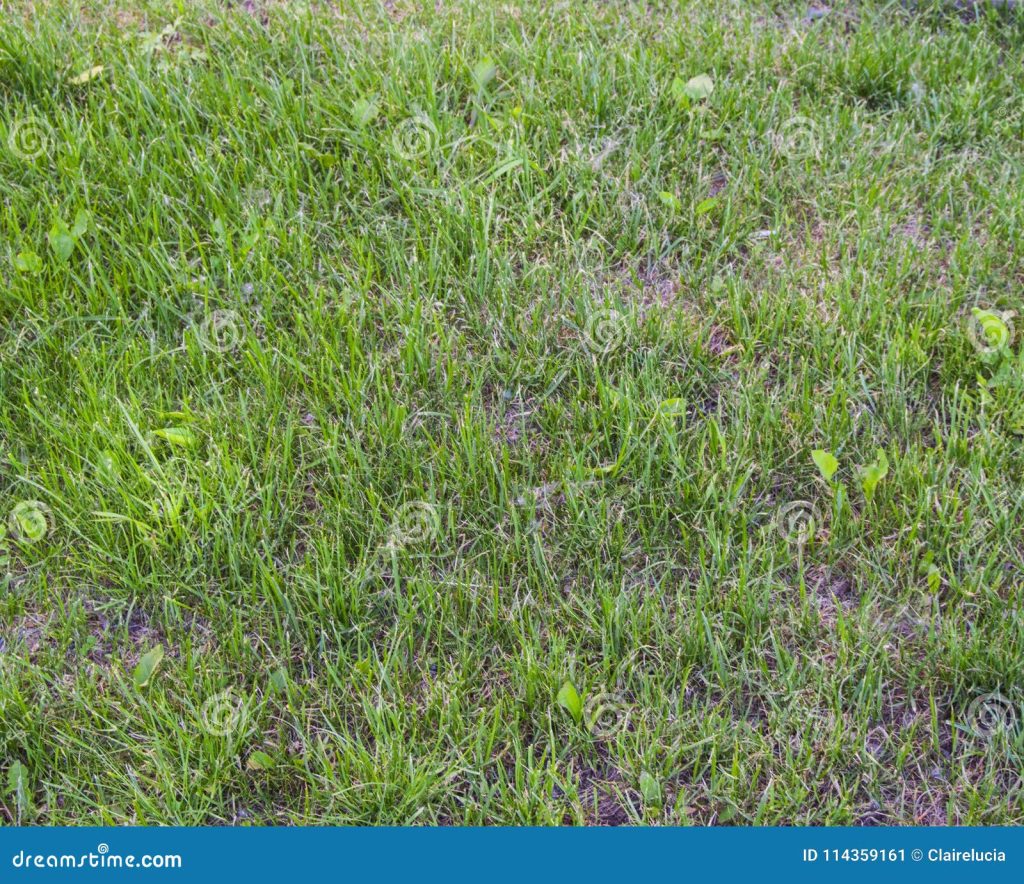
Grass growing unevenly can be a frustrating and unsightly issue for homeowners. A patchy, unkempt lawn detracts from the curb appeal and overall beauty of your property. This comprehensive guide will provide you with proven methods for achieving a uniform lawn by addressing the root causes of uneven grass growth. We’ll delve into essential aspects of lawn care and explore effective strategies to resolve patchy grass issues, while providing examples to ensure your lawn thrives. Let’s dive into practical tips, from soil improvement to mowing techniques, to transform your patchy lawn into a lush, green paradise.
Understanding the Root Causes of Uneven Grass Growth
Identifying the Culprits
Uneven grass growth often stems from a combination of factors related to soil quality, water management, and other environmental factors. Analyzing these crucial elements helps diagnose the underlying cause and implement targeted solutions. A lack of consistent watering, for instance, often leads to inconsistent growth patterns. Also, inconsistent sunlight exposure, uneven soil drainage, or the presence of pests and diseases can significantly impact the uniform growth of your grass.
Soil Preparation: The Foundation for Healthy Grass
Optimizing Soil Conditions
Healthy soil is the foundation of a healthy lawn. Uneven soil conditions can significantly impact the growth and development of your grass. Poor drainage, for example, prevents essential water and nutrients from reaching the roots properly, leading to weakened grass and unequal growth. Addressing soil issues, like aeration and soil testing, are crucial for establishing a healthy growing medium. Moreover, incorporating organic matter, such as compost, into the soil, improves its structure, drainage, and water retention capabilities. This promotes balanced and uniform growth.
Watering Strategies for a Uniform Lawn
Consistent Watering is Key
A proper watering schedule is essential for maintaining a healthy and uniform lawn. Neglecting consistent watering can lead to uneven growth, stress, and ultimately, patches or thinning in certain areas. Instead of infrequent heavy watering, opt for a regular, deep watering schedule, focusing on soaking the roots rather than just the surface of the soil. This ensures that water reaches the roots consistently and encourages uniform growth. Consider installing a sprinkler system to guarantee consistent water distribution throughout your lawn.
Fertilizing Your Lawn for Even Growth
Balancing Nutrient Needs
Proper fertilization plays a vital role in encouraging healthy and even grass growth. An appropriate fertilizer can supply the essential nutrients for lush, vigorous growth, but excessive or inadequate fertilization can disrupt the balance and lead to patches. Regular soil testing will reveal your specific lawn’s nutrient deficiencies, enabling you to create a tailored fertilization plan that fosters even growth. It is recommended to avoid over-fertilizing, as this can lead to undesirable effects such as burn or nutrient imbalances in the soil.
Mowing Techniques and Lawn Maintenance
Consistent Mowing Practices
Consistent mowing practices are crucial in promoting even growth. Incorrect mowing habits can worsen unevenness over time. Use a sharp blade to cut grass evenly without causing damage. Keeping grass height consistent is crucial and cutting too short or unevenly can stress the grass and hinder its ability to grow evenly. By adhering to regular mowing schedules and using appropriate tools, you can maintain a uniform lawn while preventing complications and promoting even growth.
Recognizing and Treating Diseases and Pests
Identifying and addressing the issues
Early identification and treatment of grass diseases and pests are crucial for maintaining a healthy and uniform lawn. Identifying and addressing these problems promptly can prevent further damage and ensure a continuous cycle of even growth. Regular inspections can help you catch any infestations or diseases early. By proactively addressing these issues, you can prevent further damage and maintain the health and vibrancy of your lawn. Consult with a local gardening specialist for guidance on recognizing and treating common lawn diseases and pests.
Choosing the Right Grass Type
Selecting the Appropriate Grass
Choosing the right grass type for your climate and soil conditions is essential for achieving a healthy and even lawn. Consider factors such as the region’s climate, sunlight levels, and drainage conditions. Consult with a local gardening expert or visit a reputable nursery to learn about appropriate species for your area and to ensure you’re selecting grass that thrives under specific conditions.
Conclusion
FAQs
What are the most common causes of uneven grass growth?
Uneven grass growth can stem from various causes, including inconsistent watering, poor soil drainage, inadequate fertilization, and the presence of pests or diseases. Also, improper mowing techniques and differences in sunlight exposure can contribute to an uneven lawn. Addressing these issues through appropriate solutions ensures balanced growth across the lawn.
How can I determine the best type of grass for my lawn?
Before selecting a grass type, consider your region’s climate, sunlight levels, and soil conditions. Consulting a local gardening expert or visiting a reputable nursery can provide insights into suitable grass species that thrive under specific conditions. Evaluating your soil composition and testing for pH levels helps in choosing grass types that perfectly complement your lawn’s needs. Also, factors such as desired aesthetic preferences contribute to this choice.
How important is consistent watering for a uniform lawn?
Consistent watering is a cornerstone of achieving a uniform lawn. Watering infrequently and heavily can lead to water runoff, preventing the deep watering that grass roots need. Using a sprinkler system with a regular schedule is a significant factor to maintain moisture content in the soil, enabling the grass to grow uniformly. This ensures that water reaches the roots effectively, encouraging even growth. In contrast, inconsistent watering may lead to unevenness and potentially cause significant stress to the grass, ultimately affecting its overall health and uniform growth pattern.
What are some additional strategies for preventing uneven grass growth?
Beyond the basics, consider adding organic matter to the soil, which improves its structure and water retention. Regular aeration, to improve drainage and air circulation, is also crucial. Monitoring for and promptly addressing pests and diseases can also prevent uneven growth. Remember, a healthy and robust lawn is a result of proper soil preparation, adequate watering, consistent mowing, and prompt management of problems.
In conclusion, achieving a uniform lawn requires a combination of proper soil preparation, consistent watering, and appropriate fertilization. By following these steps and addressing any underlying issues, you can enjoy a lush, healthy, and aesthetically pleasing lawn. For further assistance, consider consulting a local lawn care professional for personalized advice tailored to your specific needs. Remember, consistency and attention to detail are key to success in achieving the uniform lawn of your dreams! Contact us today to schedule a free consultation.